The rise of LED display technology has revolutionized visual communication. A critical advancement is GOB (Glue on Board) technology, which enhances LED display performance and durability. As reported by a recent study from MarketsandMarkets, the global LED display market is projected to reach USD 93 billion by 2025. This growth emphasizes the need for innovative technologies like GOB that improve efficiency and visual quality.
"What is GOB technology in LED displays?" Dr. Jane Silver, an expert in display technologies, explains that it "offers seamless integration of LEDs on the board, minimizing defects while maximizing durability." This innovation contributes to reduced maintenance costs and improved image clarity. GOB technology allows for thinner designs, which are increasingly desirable in various applications, from advertising to live events.
While GOB technology presents exciting benefits, it does have its challenges. The manufacturing process requires precision to avoid variations in quality. As the industry evolves, understanding these nuances will be crucial for manufacturers and consumers alike. Emphasizing the balance between innovation and potential pitfalls is vital for anyone involved in the LED display sector.
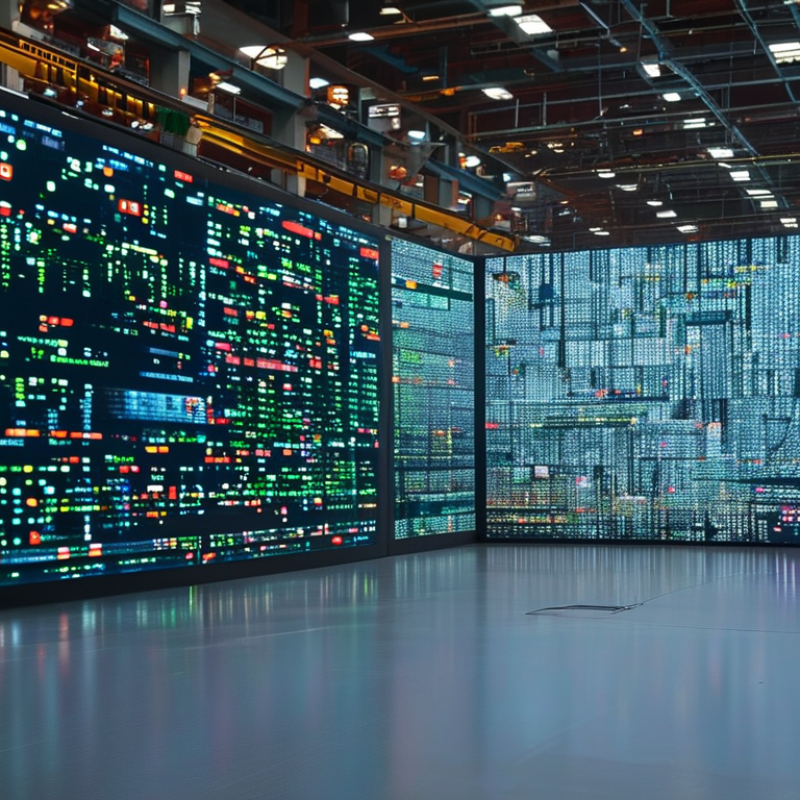
GOB technology, or Glue-On-Board, is transforming LED display technology. This innovative method enhances the durability and visual performance of displays. By directly bonding the LED chips to the circuit board, it creates a more robust structure. These displays show better colors and clearer images. Users enjoy brighter screens even in daylight.
One significant aspect of GOB technology is its resilience. Displays can withstand environmental factors, like humidity and temperature changes. This durability extends the lifespan of the product. However, some challenges remain. Installation can be complex, and repairs may require specialized skills. These factors are vital to consider for businesses.
Moreover, energy efficiency is a notable benefit. GOB technology allows for lower power consumption. This advantage can help reduce operational costs over time. However, it's essential to acknowledge that not all LED displays are compatible with GOB. Investing in this technology may require additional research and planning. Understanding these nuances fosters informed decision-making for potential users.
GOB technology significantly enhances image quality in LED displays. By minimizing the visible seams, it creates a more seamless visual experience. Users appreciate deeper blacks and vibrant colors. This improvement comes from advanced bonding techniques that enhance pixel uniformity. Colors look more accurate and lifelike.
Moreover, GOB technology protects the display from environmental factors. It shields against moisture and dust, contributing to longevity. However, the process is complex and requires skilled technicians. Not all installations achieve optimal results. Occasionally, users might notice uneven brightness or color shifts. These imperfections remind us of the importance of meticulous installation and regular maintenance.
Incorporating GOB technology leads to richer imagery but isn't without challenges. The need for specialized equipment can raise costs. There’s also a learning curve involved for operators. Balancing quality with budget constraints often proves difficult. The evolution of GOB technology continues to inspire fresh innovations, driving improvement in visual displays.
GOB technology has transformed LED displays, enhancing durability and longevity significantly. With advancements in materials, these displays are more resistant to environmental factors. This includes exposure to moisture, dust, and extreme temperatures. The result? A longer operational life, which reduces the need for frequent replacements and repairs.
Moreover, GOB technology provides better impact resistance. Displays can withstand accidental bumps and falls without damage. This robustness is particularly valuable in high-traffic areas. While these improvements are impressive, it's important to recognize the challenges too. The initial costs of GOB technology can be higher.
Additionally, the complexity of integrating this tech requires skilled installation. This raises a potential barrier for some businesses. Understanding these pros and cons is crucial. It helps in making informed decisions about adopting GOB technology for LED displays. These displays promise increased lifespan, but the investment requires careful consideration.
| Benefit | Description | Impact on LED Display |
|---|---|---|
| Enhanced Durability | GOB technology provides a protective layer that shields LED components from physical impacts. | Increases the lifespan and operational stability of LED displays. |
| Moisture Resistance | Forms an impermeable barrier against moisture ingress. | Reduces the risk of short circuits and display failures in humid environments. |
| Improved Heat Dissipation | Enhances thermal management within LED display units. | Prevents thermal degradation of components, extending usability. |
| Vibration Resistance | GOB technology helps to absorb shocks and vibrations. | Maintains operational integrity in dynamic environments. |
| Enhanced Viewing Angles | Improves the color consistency and brightness across different viewing angles. | Provides a better visual experience for the audience. |
| Cost-Effective | Reduces maintenance and replacement costs due to longer lifespan. | Offers better ROI for businesses using LED displays. |
| Lower Operating Costs | Demand less power consumption compared to traditional technologies. | Helps reduce energy expenses over time. |
| Increased Brightness | Allows for higher brightness levels without compromising quality. | Enhances visibility in high ambient light conditions. |
| Eco-Friendly | Uses materials that are more environmentally friendly and recyclable. | Less harmful disposal and lower environmental footprint. |
| Simplified Installation | Design features that allow for quicker and easier installation. | Less downtime during setup contributes to operational efficiency. |
GOB (Glue on Board) technology is revolutionizing LED displays. Its cost efficiency and energy savings are significant. According to industry reports, GOB technology can reduce manufacturing costs by up to 30%. This is primarily due to lower material waste and streamlined production processes.
Energy savings also play a crucial role. Displays utilizing GOB technology consume up to 40% less energy compared to traditional models. For businesses focused on sustainability, this is a game changer. Less energy consumption not only lowers utility bills but also reduces carbon footprints.
Tip: When considering GOB technology, look for local suppliers. This can further reduce shipping costs and enhance sustainability efforts.
While GOB offers clear advantages, some challenges remain. For instance, the adhesive used must withstand varied temperatures. Additionally, not all components are compatible with GOB technology. It is essential to thoroughly evaluate these factors before making a decision.
Tip: Regular maintenance can prolong the lifespan of GOB-equipped displays. Ensure your team is trained on the necessary procedures.
GOB (Glue On Board) technology is revolutionizing LED displays across various applications. Its main advantage is the enhanced durability of the displays. Reports indicate that GOB technology can improve the lifespan of LED screens by up to 30%. This increase is crucial for industries relying on long-term display solutions, like retail and entertainment.
In high-traffic areas, GOB technology provides better impact resistance. For example, stadiums and concerts benefit from displays that can withstand accidental bumps and drops. GOB's efficient heat dissipation also allows for energy savings, making these displays more environmentally friendly. According to industry data, GOB-enabled LED displays can reduce power consumption by approximately 15%.
Tips: Regular maintenance is essential. Even with GOB technology, the displays require cleaning and inspection to ensure longevity. Pay attention to environmental factors that could affect performance. GOB technology excels in outdoor settings, where weather resistance is critical, enhancing visibility and reducing glare.
In screens for conference rooms, GOB technology enhances image quality. The seamless integration of the components ensures uniformity in color and brightness. Moreover, as augmented reality becomes common, GOB technology is likely to play a role in merging digital and physical experiences, making interactions more immersive.
: GOB technology stands for Glue On Board. It enhances LED display quality by minimizing seams.
It provides deeper blacks, vibrant colors, and better pixel uniformity for lifelike visuals.
GOB technology makes displays more resistant to moisture, dust, and impacts, increasing lifespan.
Yes, the initial costs and complex installation can pose challenges for some users.
It allows for efficient heat dissipation, leading to a reduction in power consumption by about 15%.
Regular cleaning and inspection are crucial for ensuring optimal performance and longevity.
Yes, it excels in outdoor environments, providing better weather resistance and reducing glare.
Industries like retail, entertainment, and conference setups benefit from its durability and image quality.
Users may experience uneven brightness or color shifts, highlighting the need for meticulous installation.
The increased lifespan can lead to savings, but initial costs and integration efforts require reflection.
GOB technology, or glue-on-board technology, is revolutionizing LED displays by enhancing their performance and durability. What is GOB technology in LED displays? It refers to a method that secures LED chips directly onto the circuit board with a robust adhesive, thereby significantly improving image quality and clarity. This technology minimizes the potential for color distortion and light leakage, resulting in sharper visuals.
Moreover, GOB technology extends the longevity of LED displays, as the sealed design protects against dust, moisture, and mechanical impact, leading to increased durability. Cost efficiency is another advantage, as GOB technology reduces energy consumption and maintenance costs over time. Its applications span various sectors, from advertising to public displays, making it a versatile choice for modern LED solutions. Overall, the implementation of GOB technology presents substantial benefits, ensuring better performance and reliability in LED displays.

Sync LED