In today's competitive retail landscape, enhancing customer engagement is vital. Businesses are increasingly turning to LED screens to boost their sales. According to Dr. Emily Carter, a leading expert in retail advertising, "LED screens capture attention like nothing else." This statement underscores the impact these dynamic displays have on attracting potential buyers.
What are the benefits of using LED screens for retail advertising? For one, they offer vibrant visuals that can showcase products in a lively manner. This immediacy can spark interest and drive foot traffic into stores. Additionally, LED screens allow for quick updates to promotions and announcements, providing retailers with agility that static signage cannot match.
However, while the advantages are clear, not all retailers fully utilize this technology. Some hesitate due to costs or lack of understanding. Often, they miss opportunities to connect with shoppers effectively. Investing in LED screens may require a thoughtful approach, but the potential rewards could transform retail experiences.
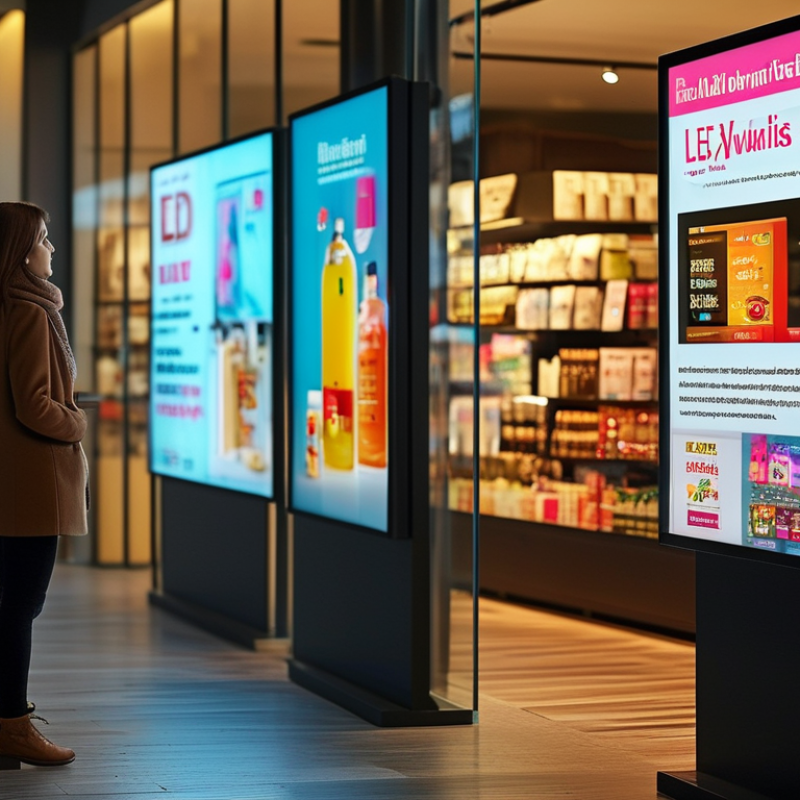
LED screens have transformed the retail landscape substantially. According to a recent report by the Digital Signage Federation, retailers that utilize digital signage see a revenue increase of 32%. This is a significant figure that highlights the power of visual marketing. LED screens capture attention through vibrant colors and motion, making products more appealing.
In addition, the effectiveness of LED screens in conveying messages has been proven. A study from Nielsen states that ads on digital screens improve brand recall by 47%. This capability means customers are more likely to remember and purchase featured products. Retailers report enhanced customer engagement and longer dwell times when using LED technology.
Despite these advantages, some retailers face challenges when integrating LED screens into their strategy. Not all screens exhibit the same quality, and poor-quality displays can deter customers. Additionally, maintaining content relevancy is crucial. Outdated information can lead to confusion and dissatisfaction. A report from InfoComm suggests that 70% of customers are frustrated by irrelevant messaging. Retailers need to address these issues to maximize the benefits that LED screens can offer.
LED screens are becoming essential in retail environments. They offer vibrant visuals that attract attention. Shoppers are naturally drawn to bright colors and dynamic displays. This can lead to increased foot traffic and, ultimately, higher sales.
The versatility of LED screens is another key advantage. Retailers can easily change content to suit different promotions or seasons. This flexibility allows stores to keep their displays fresh and engaging. Furthermore, LED screens can provide interactive experiences. Customers can learn more about products through touchscreens or QR codes. This creates a deeper connection with the brand.
However, there are challenges to consider. Not all retailers have the budget for high-quality LED displays. Maintenance and energy consumption can also be concerns. It's important for retailers to weigh these factors carefully. Finding the right balance can lead to effective use of LED technology. It's crucial to focus on both innovation and practicality in the retail space.
LED screen displays have radically transformed the retail landscape. By providing highly visual content, these screens enhance the shopping experience. Industry reports indicate that over 80% of consumers are more likely to enter a store with eye-catching digital displays. Implementing LED screens effectively starts with strategic placement. Positioning them near entrances or high-traffic areas captures attention and drives footfall.
Tips: Use high-resolution imagery and vibrant colors. Keep messages concise to facilitate quick comprehension. Engaging designs can increase message retention by 65%.
Moreover, updating content frequently keeps displays fresh and relevant. Businesses should analyze customer interactions with displays. This data can guide future content adjustments. Additionally, consider integrating interactive elements. Touchscreens allow consumers to explore products more deeply, enhancing engagement.
Tips: Monitor the traffic around displays. This data can provide insights into peak engagement times. Use analytics to refine content and improve ROI consistently. While the initial investment for LED screens may be substantial, the potential increase in sales can justify the cost. Balancing creativity with analytics is crucial for ongoing success.
LED screens are transforming retail environments, capturing consumer attention like never before. Businesses are increasingly recognizing their value, not just for aesthetics but as a strategic investment. According to a recent industry report by eMarketer, retailers using digital signage see an average sales increase of 30%. This highlights the tangible benefits of LED technology, making it a hot topic among retail innovators.
When measuring the return on investment (ROI) for LED screens, the initial costs can be daunting. However, the potential for enhanced customer engagement is significant. A study from Insights for Professionals indicated that 47% of consumers are more likely to make a purchase when exposed to engaging digital signage. This data prompts reflection on how retailers can leverage these screens effectively, instead of merely relying on traditional advertising methods.
Despite the advantages, achieving optimal ROI requires thoughtful implementation. Issues such as screen placement and content relevance can impact effectiveness. It's essential for retailers to experiment and adapt. A flexible approach to content and strong analysis of consumer behavior can lead to breakthroughs in sales performance. As retailers embrace this technology, careful strategizing will prove essential in maximizing the investment's impact.
| Aspect | Benefit | Estimated ROI (%) | Payback Period (Months) |
|---|---|---|---|
| Enhanced Visibility | Increased customer engagement through vibrant displays | 25% | 6 |
| Dynamic Content | Ability to update promotions in real-time | 30% | 5 |
| Increased Foot Traffic | Attract more customers to the store | 20% | 7 |
| Interactive Advertising | Engaging potential customers through interactive displays | 35% | 4 |
| Cost Efficiency | Lower maintenance costs compared to traditional signage | 15% | 10 |
LED screens have become a game-changer for many retailers. A study by the Digital Signage Federation reported that businesses using digital signage increased sales by 32%. Retailers like a well-known fashion brand saw foot traffic rise by 20% after installing LED displays. The vibrant colors and dynamic content captured customer attention effectively.
In another scenario, a leading electronics store found that promotions displayed on LED screens boosted the engagement rate. Customers were 60% more likely to purchase items featured on the screens. Data from Sharp Electronics indicated that average sales per promotion increased by 15% with LED visibility. This demonstrates how powerful visual elements can drive impulse buying behavior.
Despite these successes, some retailers struggle to optimize their content for LED displays. Too much information can overwhelm customers. Moreover, not all LED content resonates with target audiences. Retailers need to experiment and analyze customer responses diligently to get it right. Focusing on simplicity and creativity can lead to better outcomes.
: LED screens can increase retail sales by 30% to 32%. Their vibrant visuals attract customers effectively.
Ads on digital screens can improve brand recall by 47%. This means customers remember featured products better.
Retailers may deal with poor-quality displays and outdated content. These issues can frustrate customers and deter engagement.
Measuring ROI involves analyzing engagement rates and sales increases. Maintaining relevant content is key for effective results.
About 47% of consumers are more likely to buy after seeing engaging digital signage. This highlights its importance.
Overloading screens with information can confuse customers. It's crucial to keep content simple yet engaging.
Relevant content keeps customers engaged. Irrelevant messaging can frustrate up to 70% of customers, impacting sales.
Vibrant visuals can drive impulse buying behavior. They capture attention and encourage more purchases.
Experimenting with content placement and analyzing customer behavior are vital. Flexibility can lead to improved sales performance.
Success often comes from simplicity and creativity in content. Retailers should focus on what resonates with their target audience.
LED screens have become an essential tool for boosting retail sales by enhancing customer engagement and creating visually appealing displays. Understanding the impact of LED screens on retail sales highlights their ability to attract attention and convey dynamic content, setting them apart from traditional advertising methods. The advantages of using LED screens in retail environments include improved visibility, increased foot traffic, and the flexibility to update content in real-time, addressing consumer preferences effectively.
Effective strategies for implementing LED screen displays emphasize the importance of location, content relevance, and interactivity to maximize their impact. Measuring the return on investment of LED screen technology allows retailers to assess the effectiveness of their advertising efforts and make informed decisions. Ultimately, the question "What are the benefits of using LED screens for retail advertising?" is answered through these various aspects, showcasing how they can significantly enhance brand visibility and drive sales in the competitive retail landscape.

Sync LED