China Top Front vs Rear Service LED What is the Difference?

Time:2026-06-07 Author:Sophia
0%

In the rapidly evolving world of LED technology, understanding the nuances between different types can be challenging. One common query arises: "What is the difference between front and rear service LED?" Both types serve unique purposes but feature distinct characteristics that influence their application.

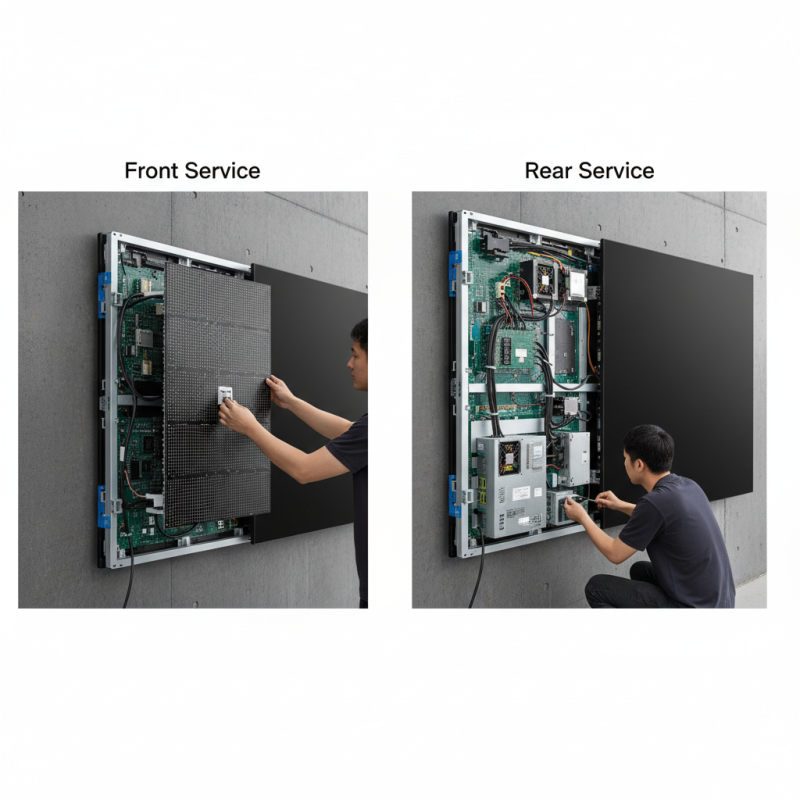
Front service LEDs are designed for ease of access from the front, allowing efficient maintenance and quick replacements. They are particularly suitable for environments where accessibility is crucial. On the other hand, rear service LEDs are geared for installations that require a cleaner front appearance. Maintenance occurs from the rear, which can complicate access but offers a more aesthetically pleasing view.

Identifying the right option hinges on specific project needs. Factors such as installation space, maintenance frequency, and visual impact play significant roles. It's essential to weigh these considerations carefully. A hasty decision could lead to increased costs and future complications. In the end, understanding these differences is key to making informed choices.
China Top Front vs Rear Service LED What is the Difference?

Difference Between Front and Rear Service LED Displays

When exploring the difference between front and rear service LED displays, it's essential to consider their design and functionality. Front service LED displays are accessed from the front side. This makes them ideal for installations where space is limited. Servicing these displays is easier in crowded environments. However, this design might compromise some structural integrity.

On the other hand, rear service LED displays allow for maintenance from the back. This setup is preferable in larger venues. It provides better airflow, reducing overheating risks. Yet, it requires adequate space behind the display. Users might find this challenging in tight locations. Moreover, this installation method can complicate the design layout.

Each type has its own set of pros and cons. Front service models are convenient but can be more prone to damage during maintenance. Rear service options reduce risks of front damage but may require careful planning for location. Understanding these nuances is vital before making any decisions on installations.

Comparison of Front Service LED vs Rear Service LED Displays

Key Features of Front Service LED Displays

Front service LED displays offer unique advantages that set them apart from rear service models. One of the key features is easy accessibility. Technicians can quickly address issues from the front, which reduces downtime. This is especially beneficial in busy environments where time is critical.

Another significant aspect is the design flexibility. Front service displays can be installed in tighter spaces. This feature makes them ideal for venues with strict size constraints. Their lightweight nature also aids in easier installation and portability.

There are challenges with front service LEDs, though. The components are more exposed, making them prone to damage. Maintenance requires careful handling to avoid accidents. It’s essential to weigh the benefits against these potential drawbacks to ensure the best choice for specific applications.

Advantages of Rear Service LED Displays

Rear service LED displays have become a popular choice for various applications, mainly due to their ease of maintenance and installation. According to industry reports, around 70% of service-related issues arise from front access models, leading to increased downtime and costs. In contrast, rear service LED displays allow technicians to perform maintenance without disrupting the entire setup. This advantage is particularly crucial in venues like stadiums, where quick repairs are essential.

Another significant benefit of rear service is space efficiency. These displays can be mounted flush against walls or other surfaces, maximizing venue space. A recent study highlighted that venues utilizing rear service LED solutions reported a 30% increase in usable event space. Furthermore, rear access technology often features modular designs, which facilitate upgrades and replacements. This capability ensures that displays remain at the forefront of technology without requiring complete system overhauls.

Maintenance is often a complex task. In rear service configurations, access panels are conveniently located, reducing the time and labor involved in repairs. Some technicians have indicated that they prefer rear service systems due to reduced frustration during maintenance. However, misconceptions still exist about the performance of rear service LEDs compared to their front service counterparts. Understanding these nuances is vital for informed decision-making, especially when investing in long-term display solutions.

China Top Front vs Rear Service LED Displays - Comparative Data Table

Feature Front Service LED Rear Service LED
Maintenance Access Front access only Rear access only
Installation Flexibility Limited space availability More flexible
Display Thickness Thinner panels Slightly thicker panels
Ideal Use Case Signage in confined spaces Large venue applications
Cost Generally higher Generally lower

Applications for Front vs. Rear Service LED Displays

Front service LED displays offer convenience for installations in high-traffic areas. These displays can be easily accessed from the front, making maintenance quick and efficient. Event venues or retail spaces often choose them because they save time and reduce operational interruptions. When repairs are needed, users do not have to move equipment or disrupt the surrounding environment.

In contrast, rear service LED displays are designed for different applications. They usually require access from behind, making them suitable for installation in permanent structures. The complexity can be a downside. If space is limited, maintenance becomes a challenge. These displays are often used in large, controlled environments, where access is more manageable.

Both types have unique benefits and drawbacks. Some users may find the front service option less aesthetically pleasing due to visible access points. Others may struggle with the logistics of rear service models in tight spaces. Each application demands a careful evaluation to select the right type for specific needs. In all cases, understanding the installation context is key.

Considerations for Choosing Between Front and Rear Service LED Solutions

When considering LED solutions, the choice between front service and rear service options is crucial. Front service LEDs allow for quick maintenance from the front side. This is beneficial in tight spaces where access to the rear is challenging. On the other hand, rear service LEDs often save space and provide a cleaner backdrop, ideal for specific installations.

Tips: Evaluate your installation environment. Consider space limitations and maintenance access. A thorough assessment helps ensure the best decision.

Durability and the ease of maintenance are key factors. Front service models may be easier to fix, but rear service types often require a more complex setup. Think about your team’s ability to provide service. Training may be necessary for more complicated systems.

Tips: Always prioritize reliability in your decision. Cost-effective solutions are not always the best. Investing in reliable systems can lead to fewer headaches down the line.

Each option has its own sets of challenges and advantages that should be fully understood before making a choice.

FAQS

: What is a front service LED display?

: A front service LED display is accessed from the front. It is easier to maintain in tight spaces.

What are the benefits of rear service LED displays?

Rear service LED displays provide better airflow and reduce overheating risks. They are ideal for larger venues.

What challenges come with front service LED displays?

Front service displays can be prone to damage. They may compromise structural integrity during maintenance.

Why would someone choose rear service displays?

Rear service displays require space behind them, but they reduce risks of front damage and allow for better design layouts.

How should one evaluate their installation environment?

Assess space limitations and maintenance access. A thorough evaluation helps in making the best decision.

Is durability important in LED display choices?

Yes, durability and ease of maintenance are crucial. Consider your team’s ability to service complex systems.

Can front service displays be easier to maintain?

They generally allow for quick maintenance, especially in crowded areas. However, this can vary by design.

What should be prioritized when choosing LED solutions?

Reliability should always come first. Cost-effective solutions may not always be the best in the long run.

How do space limitations affect installation decisions?

Tight spaces may restrict the use of rear service displays. It’s essential to consider space when planning.

What training might be needed for maintenance?

Complex systems often require specialized training. Ensuring your team is prepared is vital for effective maintenance.

Conclusion

When considering LED displays, an important question arises: "What is the difference between front and rear service LED?" Front service LED displays allow for easy access and maintenance from the front side, making them ideal for environments with limited space behind the screen. Their key features include compact design and enhanced accessibility. In contrast, rear service LED displays are designed for traditional setups where ample space is available behind the installation, offering advantages such as potentially better cooling and longer-term reliability.

Both types have unique applications, where front service displays are often utilized in tight spaces like retail stores or events, while rear service displays are suitable for control rooms or larger venues. Choosing between front and rear service LED solutions hinges on the specific requirements, including space availability and maintenance considerations, to ensure optimal performance and longevity of the installation.

Sophia

Sophia

Sophia is a dedicated marketing professional with an exceptional depth of knowledge about her company's products and services. With a keen understanding of market trends and customer needs, she crafts insightful blog posts that not only inform but also engage readers, enriching the company’s online......