How to Distinguish Between DIP and SMD LED for Buyers?

Time:2026-07-16 Author:Oliver
0%

Understanding lighting technologies can be challenging, especially for buyers. A common question arises: "What is the difference between DIP and SMD LED?" These two types of LEDs cater to different needs. DIP, or Dual In-line Package LEDs, are known for their robust design and traditional applications. They have a larger footprint and are usually more durable, making them suitable for outdoor and rugged environments.

On the other hand, SMD, or Surface Mount Device LEDs, offer a slimmer profile. These LEDs are widely used in modern electronics due to their efficiency and versatility. Their compact size allows for more design options. However, their delicate nature means they require careful handling during installation.

Buyers must reflect on their specific needs when choosing between these two options. Both DIP and SMD LEDs have unique strengths and weaknesses. Knowing the characteristics of each can lead to better purchase decisions. It is essential to weigh factors such as durability, size, and intended use before committing to a purchase.
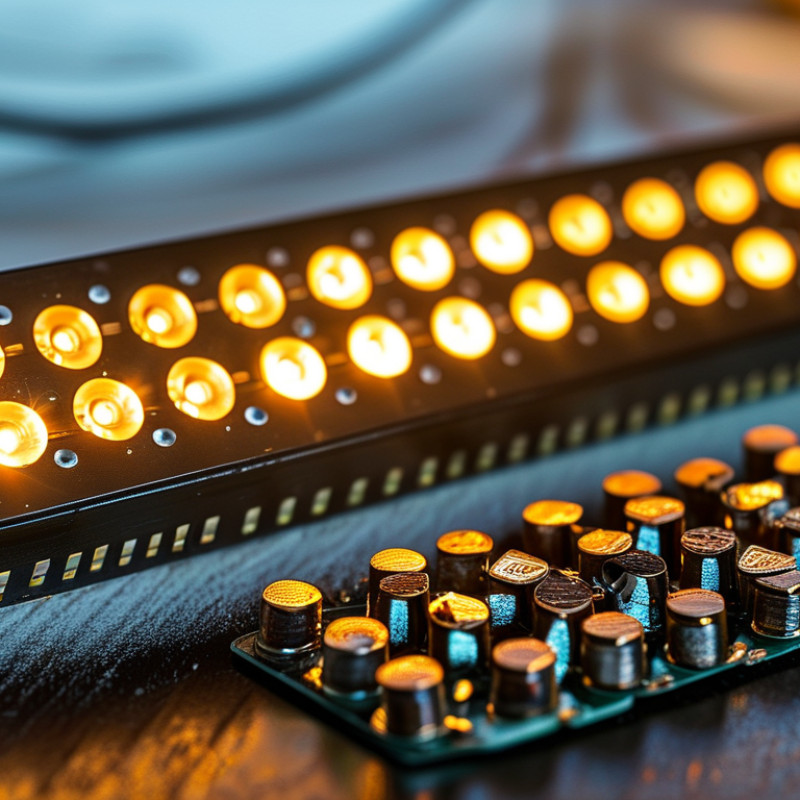
How to Distinguish Between DIP and SMD LED for Buyers?

Understanding the Basic Definitions of DIP and SMD LEDs

DIP (Dual In-line Package) and SMD (Surface Mount Device) LEDs serve different purposes in the lighting and electronics industries. Understanding their basic definitions is vital for anyone looking to purchase LEDs. DIP LEDs are typically larger and have two rows of pins for mounting on circuit boards. They are often used in applications requiring visual indicators, such as displays and signs.

In contrast, SMD LEDs are compact and mounted directly onto the surface of a printed circuit board. They allow for more efficient use of space, making them ideal for modern electronic devices. This surface-mount technology supports high-density applications, such as smartphones and LED screens.

**Tips**: When choosing between DIP and SMD LEDs, consider the size of your project. DIP may be better for larger, simpler setups. For sleek designs, SMD shines due to its compactness. Look at your power requirements and heat dissipation needs. Some buyers overlook these factors, leading to inefficient designs. Always check the voltage ratings to avoid compatibility issues.

Identifying Key Physical Characteristics of DIP versus SMD LEDs

When distinguishing between DIP (Dual In-line Package) and SMD (Surface-Mount Device) LEDs, understanding their physical characteristics is crucial. DIP LEDs typically have a larger size. They appear as rectangular or cylindrical packages with two long metal leads. The leads are designed to fit into a breadboard or PCB. This makes them user-friendly for prototyping.

In contrast, SMD LEDs are compact. They are often rectangle-shaped with flat contact pads on the bottom. This design leads to a lower profile. SMD LEDs are more suitable for high-density circuits. Their smaller size allows for more flexibility in design. Additionally, SMD types can be soldered directly onto the surface of a PCB, reducing the overall space required.

Buyers may find themselves overwhelmed by these options. The choice between DIP and SMD LEDs does not only depend on size. It affects the performance and application of the circuit as well. If you're working on a small device, SMD could be more beneficial. However, for simpler applications, DIP might suffice. Understanding these factors is key when making a decision. This reflection can guide buyers toward better selections.

Evaluating Performance Differences: Brightness, Efficiency, and Lifespan

When comparing DIP (Dual In-line Package) and SMD (Surface Mount Device) LEDs, brightness is a key factor. DIP LEDs are known for their high intensity. They emit light from a single point, creating bright and focused illumination. In comparison, SMD LEDs spread light evenly over a larger area. This difference affects how each type is used, especially in signage versus general lighting applications.

Efficiency is another crucial aspect. SMD LEDs usually consume less power for the same brightness level. This feature makes them ideal for battery-operated devices. In contrast, DIP LEDs often require more energy. Their performance can vary based on the materials used in production. Some DIP LEDs may not meet efficiency expectations.

Lifespan can significantly impact buying decisions. SMD LEDs typically last longer, often exceeding 50,000 hours. Meanwhile, DIP LEDs may last around 30,000 hours. Buyers should consider the long-term cost of replacement. However, not all applications demand the longest lifespan. In some cases, the initial brightness of DIP LEDs is preferred for short-term projects. Each type has its pros and cons, prompting careful evaluation based on specific needs.

Comparing Cost Factors and Applications for DIP and SMD LEDs

When comparing DIP (Dual In-line Package) and SMD (Surface Mount Device) LEDs, understanding their cost factors and applications is crucial for buyers. According to a report by the LED Manufacturing Association, DIP LEDs have lower initial costs, typically ranging from $0.10 to $0.30 per unit. These affordable prices make them suitable for applications in basic signage and hobbyist projects. However, they come with constraints, such as larger physical size and reduced efficiency compared to SMD options.

On the other hand, SMD LEDs tend to have higher costs, ranging from $0.30 to $1.00 per unit. Their compact design and higher luminosity offer significant advantages in applications like modern lighting solutions and high-density displays. A recent market analysis indicated a 20% increase in demand for SMD LEDs over the last three years, primarily due to their versatility in various settings. Yet, the trade-off lies in the complexity of soldering and potential installation errors that can arise, causing delays and additional costs.

Ultimately, while DIP LEDs might be cost-effective for simpler tasks, SMD LEDs are more efficient for complex applications. Evaluating the intended use is essential. As technology advances, these distinctions can influence the choice significantly. Balancing budget and efficiency remains a challenge for many buyers.

Learning About Common Uses and Suitability for Different Projects

When selecting between DIP (Dual In-line Package) and SMD (Surface Mount Device) LEDs, consider their applications. DIP LEDs are larger and easy to handle. They fit well in DIY projects or prototyping. Their size makes them suitable for through-hole PCB designs. Many hobbyists prefer them for initial testing. However, their space-consuming nature limits use in compact projects.

SMD LEDs are smaller and offer flexibility. They work well in modern electronics where space is a premium. These LEDs integrate nicely into surface mount technology. They are ideal for high-density applications, like smartphones and tablets. However, soldering SMD LEDs can be challenging for beginners. Precision is key, and mistakes can lead to reliability issues.

Understanding the unique advantages of each type can lead to better project outcomes. Consider the project requirements carefully. Whether it's space efficiency or ease of handling, each LED type has its place. Mistakes can happen, especially when transitioning from DIP to SMD. Taking time to learn can make a significant difference in your projects.

FAQS

: What are the cost differences between DIP and SMD LEDs?

: DIP LEDs cost between $0.10 and $0.30 per unit. SMD LEDs range from $0.30 to $1.00 each.

Where are DIP LEDs typically used?

DIP LEDs are ideal for basic signage and hobbyist projects. They suit DIY and prototyping well.

What advantages do SMD LEDs offer?

SMD LEDs are compact and efficient. They work well in high-density displays and modern lighting solutions.

Are DIP LEDs suitable for small projects?

No, DIP LEDs are larger and less suitable for compact projects. Their size can limit flexibility.

What challenges do beginners face with SMD LEDs?

Soldering SMD LEDs can be tricky for beginners. Precision is crucial, and mistakes can affect reliability.

How should one choose between DIP and SMD LEDs?

Evaluate your project requirements. Consider space efficiency and ease of handling when making a choice.

Can transitioning from DIP to SMD LEDs cause issues?

Yes, mistakes can occur during the transition. Learning about both types can prevent problems.

Why is understanding costs important?

Cost influences buyer decisions. Balancing budget with efficiency is often challenging.

What’s a common mistake when choosing LEDs?

Overlooking project needs can lead to poor choices. Take time to assess before deciding.

Why might someone prefer DIP LEDs?

They are easier to handle and perfect for testing. However, they lack space efficiency.

Conclusion

When considering LED options, buyers often ask, "What is the difference between DIP and SMD LED?" Understanding these differences is crucial. DIP (Dual In-line Package) LEDs are characterized by their larger size and traditional design, making them easy to use for prototyping and simple applications. On the other hand, SMD (Surface-Mounted Device) LEDs are more compact, offering better efficiency, brightness, and lifespan; they are designed for modern applications where space and performance are paramount.

The physical characteristics distinguish the two types significantly, with DIP LEDs typically having leads that insert into a circuit board, while SMD LEDs mount directly onto the surface. Performance evaluations show that SMD LEDs generally provide greater luminosity and energy efficiency. Additionally, cost factors and typical applications differ between the two, with DIP LEDs often being more affordable but less versatile compared to the advanced functionality of SMD LEDs. Ultimately, the choice between DIP and SMD LEDs depends on the specific requirements of the project at hand.

Oliver

Oliver

Oliver is a seasoned marketing professional with a wealth of expertise in driving brand awareness and engagement. With a deep understanding of our company's product offerings, he consistently delivers high-quality content that enriches our professional blog. His insights not only shed light on......