When planning an event, one key element can transform your experience: a rental LED screen. This technology enhances engagement, offers vibrant visuals, and ensures your message reaches the audience. Many event planners ask, "How to install a rental LED screen for events?" Understanding this process can lead to a successful presentation.
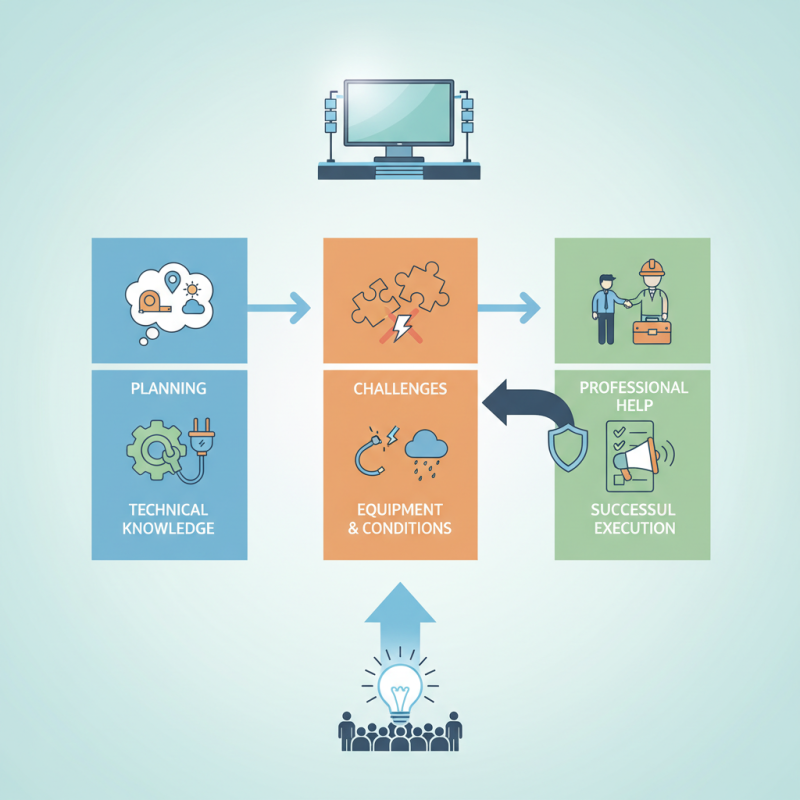
Setting up a rental LED screen requires careful planning and expertise. You need to consider various factors. These include the screen size, location, and lighting. Moreover, technical knowledge is essential for installation. It's not as straightforward as it may seem. Sometimes, challenges arise, like incompatible equipment or unexpected outdoor conditions.
To ensure a smooth installation, working with professionals is advisable. They can provide guidance based on experience and knowledge. Collaborating with experts will reduce the risk of mistakes. Reflect on your event's needs and remember that preparation is as important as execution. The right approach will significantly enhance the impact of your event.
Understanding the Benefits of Renting LED Screens for Events
Renting LED screens for events has transformed the way organizers present information. According to a report by Statista, the global LED display market is projected to reach $27 billion by 2025. This growth reflects the increasing demand for high-quality visual displays. Events with LED screens capture audience attention more effectively than traditional screens. They have vibrant colors and higher visibility, even in bright sunlight.
One key benefit of renting LED screens is cost-effectiveness. Companies can access top-quality technology without the burden of high purchase costs. A report from the AVIXA indicates that renting can save up to 30% on overall event budgets compared to buying. Additionally, rental services often include setup and technical support, offering expertise that may not exist in-house. This can greatly enhance the event experience and reduce stress for organizers.
However, there are challenges to consider. Not all rental companies are equal in service quality. Ensuring reliability and timely delivery can be tricky. Event planners must conduct thorough research and read reviews. There is also the risk of miscommunication regarding technical specifications. These factors are vital for a smooth event execution. The right LED screen can elevate an event, but careful selection is crucial.
Benefits of Renting LED Screens for Events
Determining the Right Size and Specifications for Your Event Screen
Choosing the right size for your rental LED screen is crucial. Think about the venue size and the number of attendees. A small screen at a big event can lead to disappointment. Similarly, too large a screen in a small space might overwhelm the audience. Aim for balance. Consider sightlines too. An obstructed view can ruin the experience.
Specifications matter as well. Check the resolution and brightness. A high-resolution screen is essential for clear visuals. Brightness becomes vital if your event is outdoors or in well-lit rooms. A screen that's too dim won't capture attention.
Do not forget about your content. Videos and graphics should suit the screen's size and resolution. Prepare your visuals ahead of time. Sometimes, content may not suit the chosen screen. This can lead to wasted opportunities. Ensure everything aligns with your event’s goals.
Choose wisely and plan well.
Preparing the Venue: Space and Power Requirements for LED Screens
When preparing the venue for a rental LED screen, consideration of space is crucial. You need a flat, sturdy surface to ensure stability. Measure the area where the screen will be placed. Leave enough space around it for the audience to view comfortably. If the screen is large, people should not have to strain their necks to see it. Consider the height of the screen as well. A screen that is too low may obstruct views, creating frustration among attendees.
Power requirements also play a significant role. LED screens often consume considerable electricity. Ensure your venue has sufficient power sources nearby. Outlets should be accessible but not cluttered with cords. It’s essential to use durable extension cords if necessary, avoiding the temptation to overload circuits. Think of power backup options. A sudden loss of power can disrupt your event. It may be wise to test everything ahead of time, but it can be hard to anticipate all technical failures.
Reflecting on these details may reveal oversights. For example, did you account for the audience's mobility? Will they be able to move freely without blocking others' views? Addressing these points can significantly enhance the event experience. Proper venue preparation for an LED screen is not just about installation. It is about creating an atmosphere where everyone can enjoy the showcase.
Step-by-Step Guide to Setting Up Your Rental LED Screen
Setting up a rental LED screen for your event can seem daunting, but it’s manageable with the right steps. Begin by determining the screen size based on your venue and audience size. Industry reports suggest that a screen size of 10 feet is optimal for viewing distances of up to 100 feet. After assessing the location, establish a clear plan for power and data connections, as these are crucial for smooth operation. LED screens often require balanced power sources.
Next, assemble the necessary equipment. Ensure you have all components ready, including the screen, a stable mounting system, and cables. Data from event production experts indicate that improper installation can lead to delays or equipment failure. It’s important to double-check connections and use quality materials. When it’s time to set up, safety should be a priority. Consider using safety rails or supports to prevent accidents during installation.
During operation, monitor the screen regularly. Issues can arise unexpectedly. The average downtime for LED screens can extend to two hours if not managed properly. Pay close attention to brightness levels and color calibration. Regular checks minimize the risk of technical problems that could affect audience engagement. Although things may not always go perfectly, being prepared ensures a more successful event.
Best Practices for Troubleshooting and Maintenance During Your Event
When hosting an event, an LED screen can elevate the experience. However, understanding common troubleshooting practices can save you time and stress. Before your event starts, conduct a thorough inspection of the display setup. Check all connections and ensure that power sources are reliable. Noticing flickering signs or dim sections? This could point to loose cables or a malfunctioning power supply.
During the event, be prepared for unexpected issues. Have a basic toolkit handy for quick fixes. If the screen experiences a sudden blackout, check the power supply right away. Sometimes, simply resetting the screen can resolve glitches. Monitor temperature levels as overheating can cause performance issues. If the display starts flickering, switching to a different input source might help.
Don’t forget to communicate with your team. Assign a knowledgeable person to handle technical queries. This helps keep the focus on the event rather than screen issues. After the event, review what went well and what didn't. This feedback is crucial for future troubleshooting. Establishing a reliable checklist for setup and maintenance can enhance your overall experience.
FAQS
: Renting LED screens offers cost-effectiveness and high-quality visuals that capture audience attention.
Companies can save up to 30% on budgets by renting instead of buying screens.
It’s essential to research companies and read reviews to ensure quality service and timely delivery.
A 10-foot screen is optimal for viewing distances of up to 100 feet.
You'll need the screen, mounting system, cables, and strong power sources for smooth operation.
Ensure safety with supports and check all connections to avoid delays or failures.
Regularly monitor brightness levels and calibrate colors to minimize problems.
If not managed well, the average downtime can stretch up to two hours.
Prepare for unexpected issues, as flexibility and readiness can lead to better outcomes.
Technical support can greatly enhance the event experience and reduce organizer stress.
Conclusion
When considering how to install a rental LED screen for events, it’s essential to understand the numerous benefits these screens offer, such as enhanced visibility and engagement for your audience. First, determine the right size and specifications that align with your event's requirements, ensuring the screen fits well within the venue’s layout.
Preparing the venue involves addressing space and power requirements to support the LED screen effectively. Following a step-by-step guide to setting up the rental screen will facilitate a smooth installation process. Moreover, implementing best practices for troubleshooting and maintenance during the event can ensure the screen operates flawlessly, enhancing the overall experience for attendees. By focusing on these key areas, you'll be well-equipped to handle the logistics of integrating a rental LED screen into your event.

 Sync LED