7 Best Ways to Choose a Reliable LED Display Manufacturer?

Time:2026-10-23 Author:Ethan
0%

Choosing an LED display manufacturer is not simply a price comparison. It is a decision about brightness, reliability, service, and long-term risk. A low quotation may hide weak modules, unstable power supplies, unclear warranties, or expensive replacement work. Therefore, buyers need a practical method for evaluating factories before signing a contract.

As LED procurement consultant Maggie Luo explains, “A reliable supplier proves its quality before asking for your trust.” This principle gives the topic a useful direction. Buyers should inspect production facilities, request recent project references, verify certifications, and test samples under realistic conditions. A showroom can look impressive. A sample can look perfect. Neither proves consistent mass production.

The question is simple: How to choose a reliable LED display manufacturer in China? The answer requires more than online research. It involves checking pixel consistency, cabinet structure, heat management, spare-parts support, and communication speed. Ask how the manufacturer handles dead pixels after installation. Ask who pays when a shipment arrives damaged. Ask whether technical staff can support commissioning on site.

Some details are easy to miss. For example, a bright screen may consume excessive power. A cheap cabinet may vibrate outdoors. A generous warranty may exclude the parts most likely to fail. These points deserve careful attention. Honestly, no supplier is perfect, and buyers can also make poor assumptions. This guide presents seven practical ways to compare manufacturers, reduce uncertainty, and choose a partner that remains dependable after the payment is complete.
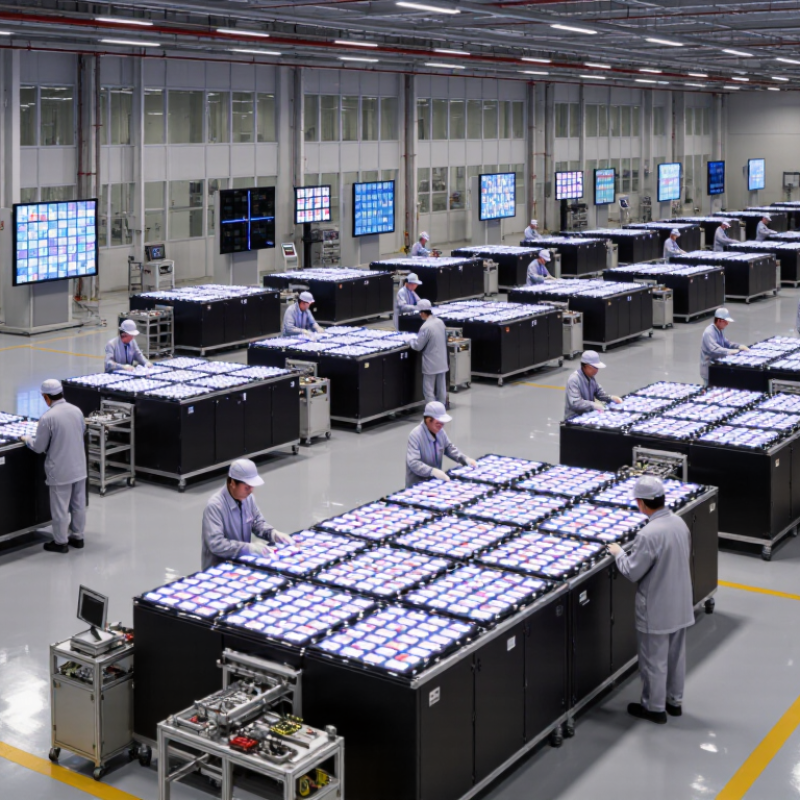
7 Best Ways to Choose a Reliable LED Display Manufacturer?

Clarify Your LED Display Project Requirements

A reliable LED display project starts with a precise brief, not a supplier’s product list. Define the screen’s purpose, location, dimensions, viewing distance, and daily operating hours. An outdoor roadside display needs weather protection and high brightness. A conference room usually needs finer pixel pitch and quieter operation. Measure the actual site. Small mistakes matter.

List your content requirements clearly. Will the display show text, video, live feeds, or detailed graphics? Note the required resolution, refresh rate, color performance, control system, and camera compatibility. Ask for power consumption, maintenance access, cabinet weight, and installation conditions. Include local electrical and safety requirements. These details help manufacturers recommend suitable components instead of oversized equipment.

Set a realistic budget, delivery schedule, warranty period, and service response time. Request technical drawings, sample panels, test reports, and references from similar installations. A factory visit or live video inspection can reveal production discipline. My early project plans often focused too heavily on screen price. That estimate was wrong. Installation, spare modules, transport, and future maintenance also affect ownership costs. Leave room for revision. Your first brightness or pixel-pitch choice may not fit the real environment. A dependable manufacturer should question unclear specifications, explain trade-offs, and confirm every requirement in writing before production begins.

Verify the Manufacturer’s Technical Expertise and Experience

A reliable LED display manufacturer should demonstrate engineering depth, not only attractive samples. Request project records showing pixel-pitch selection, thermal design, power distribution, cabinet mechanics, and calibration methods. According to the 2024 MarketsandMarkets report, the LED display market continues expanding across outdoor advertising, retail, sports, and control rooms. Growth increases supplier choices, but it does not prove technical competence. Ask for measured data, including brightness uniformity, refresh rate, grayscale performance, viewing angle, and power consumption. Numbers without test conditions are weak evidence.

Look closely at the factory process. Can engineers explain how modules are calibrated after aging? Are receiving inspections, solder-joint checks, waterproofing tests, and burn-in records available? The U.S. Department of Energy’s solid-state lighting reports repeatedly emphasize thermal management and reliability as major performance factors. This matters because excessive heat can accelerate LED decay and shorten component life. Request independent laboratory reports where possible, and compare them with factory measurements. Check whether testing follows relevant IEC requirements and whether the report identifies the exact model supplied. A claimed MTBF figure alone is not enough.

Experience should be verifiable through similar installations, not vague years in business. Visit one operating site, inspect cabinet alignment, fan noise, spare-part storage, and image consistency. Ask engineers to diagnose a simulated fault. Their response reveals more than a sales presentation. I would not trust every polished document; some reports omit ambient temperature, test duration, or sampling size. That gap deserves a direct question.

Verify the Manufacturer’s Technical Expertise and Experience

Use this practical 100-point assessment framework to compare LED display manufacturers. Give higher scores to suppliers that provide verifiable engineering evidence, test reports, project references, and long-term support records.

The weights reflect common technical purchasing priorities: product reliability, measurable performance, compliance, engineering capability, installation experience, service support, and quality-control evidence. Ask for documented proof rather than relying only on marketing claims.

Assess Product Quality, Certifications, and Testing Standards

Choosing a reliable LED display manufacturer starts with evidence, not polished promises. Ask for current certificates, test reports, and production records before discussing price. Relevant certifications may include CE, FCC, RoHS, or equivalent standards, depending on the destination market. Check each document’s issue date, product scope, and testing laboratory. Certification alone is not enough.

For outdoor displays, inspect ingress protection ratings, thermal cycling results, brightness uniformity, and electrical safety records. Ask whether every cabinet receives burn-in testing before shipment. A credible report should show sample numbers, test conditions, measured values, and approval details. Vague documents deserve careful questions. They often hide weak controls.

Factory testing should resemble real installation conditions. Request evidence of vibration, humidity, electromagnetic compatibility, and long-duration operation tests. Review how technicians handle failed modules and record corrective actions. During an audit, watch a live calibration process. Check whether serial numbers connect products to inspection records. Small details matter.

I once trusted a certificate without checking its scope. It looked convincing. Later, the document covered a different product series. That mistake changed my evaluation process. Now, I compare certificates with samples, drawings, and test reports. A dependable manufacturer welcomes this scrutiny and explains limitations clearly. No supplier performs perfectly, and honest answers are often more valuable than impressive claims.

7 Best Ways to Choose a Reliable LED Display Manufacturer? – Assess Product Quality, Certifications, and Testing Standards
Way Selection Dimension What to Assess Evidence to Request Practical Benchmark or Test Point Warning Signs
1 Evaluate LED Display Quality Check cabinet construction, module alignment, pixel consistency, power distribution, connector quality, cooling design, and the accessibility of service components. Production photographs, technical drawings, material specifications, sample inspection records, and a completed sample unit for physical evaluation. The sample should have uniform module gaps, secure fasteners, consistent color appearance, no visible dead pixels, and stable operation during an extended demonstration. Uneven seams, exposed wiring, loose connectors, excessive fan noise, or unexplained differences between the sample and the quotation.
2 Verify Independent Certifications and Compliance Confirm that the proposed configuration complies with the regulations applicable to the destination market, including electrical safety, electromagnetic compatibility, restricted substances, and environmental requirements. Test reports and declarations that identify the exact model, electrical ratings, test laboratory, applicable standard, test date, and product configuration. Common references may include IEC 62368-1 for audio/video and information-technology equipment safety, IEC 60529 for IP ratings, CISPR 32 or EN 55032 for emissions, and RoHS requirements where applicable. A logo shown without traceable documentation, a report for a different model, expired documents, or claims that a voluntary mark replaces legally required compliance.
3 Review Factory Quality Management Assess whether the manufacturer controls incoming materials, assembly processes, calibration, nonconforming products, corrective actions, and final inspection. A quality manual, process flow chart, inspection plan, sample inspection records, corrective-action examples, and an ISO 9001 certificate verified through the issuing certification body when claimed. The quality system should define measurable acceptance criteria for brightness, color, pixel defects, dimensions, power consumption, and functional testing. No documented inspection process, inconsistent inspection records, refusal to explain defect handling, or reliance only on visual checks.
4 Examine Performance Specifications Compare pixel pitch, viewing angle, brightness, contrast, refresh rate, grayscale processing, color calibration, power consumption, and operating temperature limits. A signed technical datasheet, calibrated measurement results, controller settings, power test conditions, and a sample showing the same configuration offered in the quotation. Treat figures as condition-dependent. Brightness, power, contrast, and refresh rate should be compared using identical measurement conditions rather than headline values alone. Unqualified maximum values, missing measurement conditions, contradictory datasheets, or performance claims that cannot be reproduced on the sample.
5 Check Testing and Reliability Procedures Determine whether the product is tested for thermal behavior, humidity, vibration, power cycling, signal stability, ingress protection, and continuous operation as relevant to the installation. Factory test procedures, equipment calibration records, sample test reports, burn-in records, environmental test conditions, and final quality-control checklists. Testing should state duration, temperature, humidity, voltage, load, sample size, acceptance criteria, and the corrective action taken when a unit fails. “Aging tested” without test conditions, copied reports without serial or batch references, uncalibrated instruments, or no documented failure analysis.
6 Validate Warranty and Service Capability Review warranty coverage, spare-parts availability, remote support, on-site service options, module replacement procedures, software support, and response responsibilities. A written warranty, service-level agreement, spare-parts list, troubleshooting guide, maintenance procedure, escalation contacts, and replacement-part lead times. The agreement should clearly define coverage period, exclusions, response time, repair or replacement terms, shipping responsibility, and the treatment of recurring defects. Verbal warranty promises, unclear exclusions, no local or remote technical contact, unavailable spare parts, or support limited to sales communication.
7 Use a Controlled Sample and Factory Audit Purchase or inspect a production-representative sample and compare it with the approved specification before placing a larger order. A signed sample approval record, inspection photos, measured test results, factory-audit findings, production references, and a pre-shipment inspection report. Record cabinet dimensions, module type, receiving-card configuration, brightness setting, color calibration, power behavior, software version, and visible defects before approval. The manufacturer discourages independent inspection, changes components without written approval, or cannot maintain the approved configuration during mass production.
Purchasing note: Certification requirements, IP ratings, performance targets, and testing standards depend on the display type, installation environment, voltage system, and destination country. Always verify the exact model and configuration rather than relying on general product claims.

Compare Customization Options, Pricing, and Production Capacity

7 Best Ways to Choose a Reliable LED Display Manufacturer?

Compare customization options, pricing, and production capacity before signing any contract. A capable manufacturer should explain pixel pitch, cabinet size, brightness, protection ratings, and viewing distance clearly. Ask for a working sample, not only polished photographs. Small details matter. Check color consistency, cable layout, ventilation, and front maintenance access. Experienced suppliers can adjust designs for indoor halls, outdoor walls, rental stages, or irregular structures.

Pricing needs careful comparison. Request an itemized quotation covering modules, control systems, spare parts, packaging, testing, shipping, and installation support. The cheapest offer may exclude essential components. It can become expensive later. Compare warranty terms, replacement procedures, payment stages, and expected service life. A reliable manufacturer should provide realistic performance data instead of vague promises. Ask how prices change when quantities increase or specifications change.

Production capacity also deserves direct verification. Request the monthly output, current lead time, quality-control process, and testing records. A factory tour, live video inspection, or independent audit can reveal more than a sales presentation. Check whether the supplier can maintain consistent quality during a large order. Production speed is not everything. Delays happen, and even careful planning can fail. I would also ask for references from similar projects, while remembering that one successful installation does not prove every future order will run smoothly.

Evaluate Installation Support, Warranty, and After-Sales Service

Choosing an LED display manufacturer requires more than comparing pixel pitch and price. Installation support often determines whether a project opens on schedule. AVIXA’s 2024 Industry Outlook and Trends Analysis valued the global professional AV market at over 300 billion US dollars. That scale increases the need for qualified commissioning, not just product delivery.

Ask whether the manufacturer provides site drawings, load calculations, cabinet mapping, and technician training. Request a named project manager and a written response-time target. A useful warranty should state coverage length, brightness performance, spare-part availability, and exclusions. The U.S. Department of Energy’s solid-state lighting reports highlight how thermal management affects LED performance and service life. Therefore, warranty terms should address ventilation, operating temperature, and module replacement procedures.

Tips:

Test the support process before signing. Send three practical questions and measure the reply time. Ask for a sample service report, not a sales promise. Check whether spare modules are stored locally. Also, verify who pays for travel and labor. A five-year warranty may sound impressive, but it can become weak when labor is excluded. No checklist is perfect. Site conditions, operator mistakes, and unclear handover documents still create disputes. Good manufacturers acknowledge these risks and provide clear escalation paths, maintenance schedules, and post-installation inspections. As reported in the Uptime Institute’s 2023 Annual Outage Analysis, human and operational issues remain important causes of service disruption. Reliable after-sales support should reduce those risks through training, documentation, and measurable accountability.

FAQS

What information should I prepare before choosing an LED display manufacturer?

Define the purpose, location, screen size, viewing distance, and daily operating hours. Measure the installation site carefully. Small errors matter.

How can I select the right display for an indoor or outdoor location?

Outdoor screens need weather protection, strong brightness, and suitable thermal performance. Indoor screens may need finer pixel pitch and quieter operation. Match the display to its surroundings.

What content details should I confirm before production?

Explain whether the screen will show text, video, live feeds, or detailed graphics. Confirm resolution, refresh rate, color performance, control systems, and camera compatibility.

Which technical documents should I request from a manufacturer?

Request technical drawings, sample panels, test reports, and inspection records. Check certificate dates, product scope, and testing laboratories. A document alone proves little.

How should I evaluate product quality?

Ask about burn-in testing, brightness uniformity, humidity testing, vibration testing, and electrical safety checks. Review sample numbers and measured results. Vague reports need questions.

What should an itemized quotation include?

It should list modules, control systems, spare parts, packaging, testing, shipping, and installation support. Compare warranty terms and replacement procedures. The lowest price may omit essentials.

How can I verify production capacity?

Ask for monthly output, current lead time, quality-control procedures, and testing records. Use a factory visit or live video inspection when possible. Fast production is not everything.

Should I trust certificates and successful project references completely?

No. Compare certificates with samples, drawings, and test reports. One successful installation does not guarantee every future order. I once trusted a certificate too quickly. That judgment was wrong.

Conclusion

Choosing the right supplier is essential for the success of any LED display project. How to choose a reliable LED display manufacturer in China? Start by clearly defining your project requirements, including screen size, installation environment, viewing distance, brightness, resolution, and intended application. Then, examine each manufacturer’s technical expertise, industry experience, engineering capabilities, and completed projects. A dependable supplier should also provide transparent information about product quality, certifications, testing procedures, materials, and quality control standards.

It is equally important to compare customization options, pricing, production capacity, delivery schedules, and communication efficiency. Make sure the manufacturer can meet your design needs while maintaining consistent quality and reasonable costs. Finally, evaluate installation guidance, training, warranty coverage, spare parts availability, maintenance response, and after-sales service. By reviewing these factors carefully and requesting detailed documentation, samples, and quotations, you can reduce project risks and build a long-term partnership with a trustworthy LED display manufacturer.

Ethan

Ethan

Ethan is a seasoned marketing professional with a deep expertise in our company's innovative product line. With a passion for sharing knowledge and insights, he takes the lead in regularly updating our corporate blog, where he explores industry trends, product features, and effective marketing......