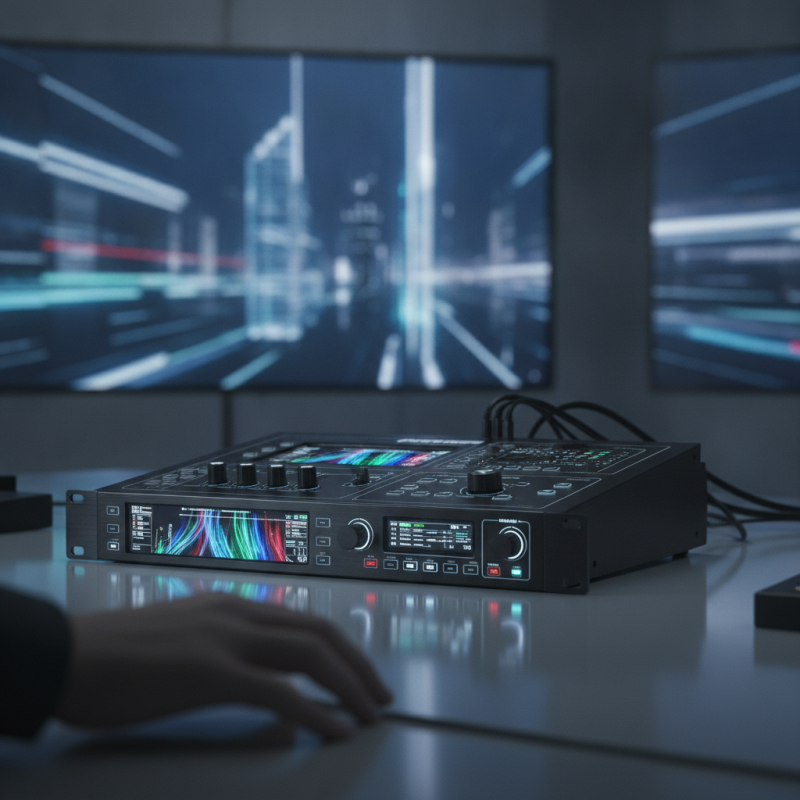
Choosing the right LED video processor can be daunting. This crucial device enhances image quality and manages display content. Understanding what are the common types of LED video processors is essential for informed decision-making.
There are various types available in the market. Each type serves specific needs and applications. For instance, some processors excel in live event settings, while others are tailored for broadcast and studio environments. The differences can sometimes be subtle, but they greatly impact performance.
Buyers should consider their unique requirements. Features like resolution support, input options, and processing speed are vital. Additionally, evaluating brand reputation and user reviews can provide insight into reliability. Ultimately, the right choice can enhance visual experiences significantly, while the wrong one may lead to frustration and inefficiencies.
Understanding LED Video Processors: A Comprehensive Guide
LED video processors are crucial for delivering high-quality visual experiences. They function by managing how images are displayed on LED screens, ensuring optimal resolution and color accuracy. According to industry reports, the global LED video processing market is projected to reach $3.4 billion by 2025, highlighting the growing demand for these technologies.
When selecting an LED video processor, it’s essential to consider scalability and input support. Different applications, such as live events or installations, require processors with varied capabilities. For instance, some processors support 4K inputs, while others may only handle standard resolutions. This can impact the overall image quality.
Tips: Always check for compatibility with existing hardware. Investing in a processor that matches current and anticipated needs can prevent future issues.
Also, be aware of latency issues. A processor that introduces significant lag can lead to synchronization problems. Users should seek processors with low latency ratings to avoid this.
Tips: Look for user reviews focusing on performance. Real-world feedback often reveals valuable insights. Better-informed decisions lead to better outcomes.
Types of LED Video Processors: Key Categories Explained
LED video processors are essential in managing content for LED displays. They play a crucial role in ensuring image clarity and color accuracy. Several types of LED video processors cater to different needs. The key categories include entry-level processors, mid-range processors, and high-end processors. Entry-level processors provide basic scaling and control, ideal for smaller events or installations. Mid-range options offer improved color accuracy and additional features, while high-end processors excel in managing large-scale displays, supporting high resolutions.
A recent report by industry analysts indicates that the demand for LED video processors is expected to grow significantly. The market is projected to reach USD 5 billion by 2025, driven by advancements in display technology and the need for high-quality visuals in varied settings. Choosing the right processor depends on application, budget, and the required features.
Tips: When selecting an LED video processor, consider the resolution of your display. Match the processor to the resolution for optimal performance. Always assess compatibility with existing systems to avoid potential integration issues. Additionally, be open to feedback on your choice. The right processor should enhance your content, but it may take time to find the perfect fit. Not every option will meet every need perfectly. Reflect on your goals and project requirements for effective results.
Main Types of LED Video Processors
This chart illustrates the popularity of different types of LED video processors. Standard Controllers are the most popular, followed by Advanced Controllers and Media Servers, which are essential for various applications in video production and display technology.
Features to Consider When Choosing LED Video Processors
When selecting an LED video processor, several key features warrant careful consideration. First, input and output options are crucial. Different events require various sources and display configurations. Ensure the processor supports multiple input types, like HDMI and SDI. A processor with a range of outputs can accommodate various display setups.
Another important aspect is the processing power. Look for a processor that can handle high resolutions without lag. A strong processor delivers smooth video transitions and manages multiple screens effectively. Additionally, assessing the scaling capabilities is vital. A good processor should upscale lower resolution content without sacrificing quality.
Consider also the user interface and ease of use. A complex interface can lead to mistakes during critical presentations. Intuitive controls and a straightforward design help avoid frustration. Don't overlook support and documentation. Continuous updates and good customer service enhance long-term reliability. These elements can make a significant difference in your experience. Choosing wisely now can save significant headaches later.
Applications of LED Video Processors in Various Industries
LED video processors play a crucial role in various industries. They enhance visual displays, making them vital for advertising, entertainment, and more. In retail environments, LED processors help create immersive experiences. They display vibrant advertisements that capture customer attention. This approach significantly boosts engagement and sales.
In live events, such as concerts or conferences, LED video processors optimize video content. They ensure high-quality visuals across large screens. This technology allows seamless transitions and dynamic content. Using LED processors not only improves the viewer experience but also increases the impact of presentations.
Tips: Always consider your venue's size. Larger venues may require more powerful processors. Additionally, evaluate the processor's compatibility with your existing equipment. Research different types to find the best fit for your needs. Remember, not all processors may suit every application. Take time to test before making a final decision.
What are the main types of LED video processors for buyers? - Applications of LED Video Processors in Various Industries
| Video Processor Type |
Key Features |
Typical Applications |
Industry Use |
| Standard LED Processors |
Basic image processing, color adjustment, and scaling |
Corporate presentations, small events |
Corporate, Education |
| Advanced Video Processors |
High dynamic range (HDR) support, advanced scaling |
Large events, concert venues |
Entertainment, Live Events |
| Control Room Processors |
Multi-source input, real-time switching |
Broadcast studios, security monitoring |
Broadcast, Security |
| Media Servers |
Content playback, advanced effects, and renderer |
Theatrical productions, festivals |
Arts, Entertainment |
| Pixel Mapping Processors |
Allows for custom LED shapes and effects |
Art installations, themed events |
Art, Marketing |
Comparing Popular LED Video Processors: Brands and Models
When selecting an LED video processor, understanding the top brands and models is crucial. Leading industry analysts highlight that large events, such as concerts and conferences, create a significant demand for high-quality video displays. In fact, reports indicate that the LED video processor market is anticipated to grow at a CAGR of 10.7% through 2027. This growth reflects the increasing emphasis on visual experiences in diverse settings.
Popular types of LED video processors include scaling processors, matrix switchers, and video walls. Scaling processors enhance image quality and support various resolutions. They are vital for live events. Matrix switchers provide flexibility, enabling seamless switching between multiple sources. However, not all products are equal. Some models struggle with latency issues, affecting their overall performance. Video walls offer immersive experiences but can be challenging to set up, requiring precise calibration.
Evaluating pros and cons is essential. For example, certain processors may excel in color correction, but their pricing might not align with every buyer's budget. Furthermore, reliability can vary among models, highlighting the importance of thorough research and user feedback. Engaging with industry experts for recommendations can also aid in making informed decisions.
Conclusion
LED video processors play a crucial role in managing and enhancing video signals for LED displays. When exploring the question, "What are the common types of LED video processors?", buyers can find various categories, including scalers, switchers, and controllers, each designed to optimize video quality and display performance. Understanding these key categories is essential for selecting the right processor based on specific needs.
In addition to the types, buyers should consider important features like resolution scaling, input compatibility, and real-time processing capabilities. LED video processors are utilized across multiple industries, including entertainment, advertising, and broadcasting, showcasing their versatility. By comparing popular models and understanding their unique functionalities, buyers can make informed decisions to meet their display requirements effectively.

 Sync LED