How to Prevent Overheating in Outdoor LED Cabinets Effectively?

Time:2026-06-04 Author:Isabella
0%

As outdoor digital displays grow in popularity, addressing the issue of overheating becomes crucial. Outdoor LED cabinets are at risk due to high temperatures and direct sunlight. Michael Johnson, a leading expert in outdoor display technology, emphasizes, "Cooling solutions are vital for reliability and lifespan." His insight underlines the importance of understanding how to prevent overheating in outdoor LED cabinets.

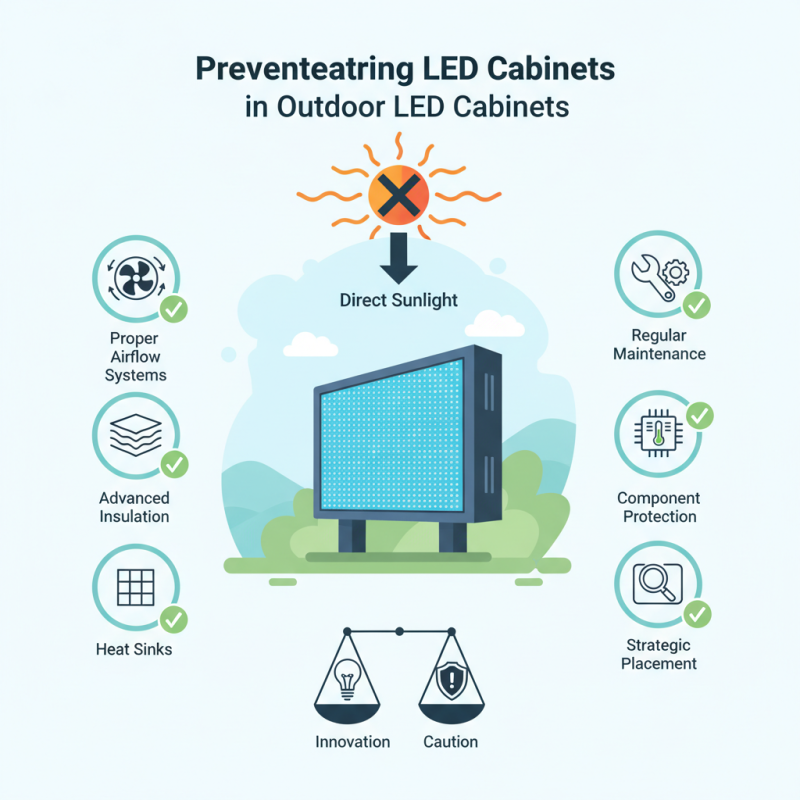
Managing temperature is not just technical; it’s an art. Poor ventilation or insulation can lead to failures. It’s essential to evaluate your installation site. Is there enough airflow? Are the cabinets positioned wisely to avoid direct sun? Even the smallest details matter. Proper airflow systems and heat sinks can make all the difference.

On the other hand, it’s easy to overlook smaller components. Overheating can damage individual LED bulbs and circuit boards. Regular maintenance plays a pivotal role. Ignoring these factors leads to costly repairs and downtimes. Asking how to prevent overheating in outdoor LED cabinets involves a comprehensive approach. The balance between innovation and caution can yield impressive results.
How to Prevent Overheating in Outdoor LED Cabinets Effectively?

Importance of Temperature Regulation in Outdoor LED Cabinets

Temperature regulation in outdoor LED cabinets is crucial for optimal performance. High temperatures can degrade LED components and shorten their lifespan. When the internal temperature rises, the risk of malfunction increases. Efficient cooling systems should be in place to combat this issue.

One effective method is to use ventilated designs. These designs promote airflow and help disperse heat. Additionally, incorporating heat sinks can absorb excess heat and transfer it away from critical components. It is also important to position the cabinets strategically. Avoid placing them in direct sunlight whenever possible.

Regular maintenance is essential. Dust and debris can obstruct airflow, causing overheating. Cleaning the vents and ensuring proper ventilation can make a significant difference. Users should monitor temperatures regularly. If temperatures exceed recommended levels, immediate action is necessary. Experimenting with various cooling solutions will lead to better results over time.

Understanding the Risks of Overheating for LED Components

Overheating poses significant risks for outdoor LED components. High temperatures can degrade performance and shorten lifespan. Research indicates that LED efficiency drops by 10% for every increase of 10 degrees Celsius. This data highlights the critical need for temperature management in LED installations.

LED cabinets may experience rising temperatures due to direct sunlight and heat accumulation. Inadequate ventilation can exacerbate this issue. Reports suggest that poorly ventilated cabinets can reach temperatures over 70 degrees Celsius in peak summer. This environment can lead to failure in individual LED units, creating dark spots in displays.

Understanding the thermal dynamics of these systems is essential. Materials used in outdoor LEDs must withstand environmental stress. Many components lack the proper heat dissipation methods. Improving airflow and choosing the right materials are necessary steps. Regular maintenance checks can also identify potential overheating issues early. Ignoring these aspects can result in costly repairs and downtime.

Effective Cooling Methods for Enhancing LED Cabinet Performance

Outdoor LED cabinets are susceptible to overheating, which can affect their performance. Effective cooling methods are essential to ensure longevity and optimal functionality. Proper ventilation is key; placing cabinets in shaded areas helps prevent heat buildup.

Another approach involves using external cooling systems. Fans or air conditioning units can provide the necessary airflow. These systems need regular maintenance to ensure efficiency. However, not all solutions are foolproof; relying solely on one method may not suffice in extreme heat conditions.

Heat sinks can also help dissipate heat from LED components. They must be chosen based on specific cabinet designs. It's crucial to monitor temperatures regularly. Ignoring slight increases may lead to significant issues later. Experimenting with various combinations of cooling techniques can yield the best results.

Material Selection for Heat Resistance in LED Cabinet Design

When designing outdoor LED cabinets, material selection plays a crucial role in preventing overheating. The right materials can help to manage heat effectively. Metal options like aluminum are popular due to their high thermal conductivity. They dissipate heat quickly, reducing risks associated with high temperatures. However, reliance solely on metal may not be enough if the overall design lacks ventilation.

Another consideration is the use of heat-resistant plastics. Some advanced plastics can withstand higher temperatures better than traditional options. Integrating these materials can enhance durability. Yet, not all plastics perform equally under extreme conditions. It’s essential to test materials in real-world scenarios. Durability varies based on environmental factors.

Avoid the temptation to overlook sealing techniques. Gaps can allow heat accumulation, negating the benefits of your materials. Regularly inspect these areas as part of maintenance routines. Ensuring a tight fit helps maintain optimal airflow. Always remember, experimenting with different materials and designs will yield valuable insights for effective heat management. Each project can differ, reminding us of the need for ongoing evaluation and adjustment.

Monitoring Temperature with Advanced Sensors and Controls

Monitoring temperature effectively is crucial for outdoor LED cabinets. High temperatures can lead to performance issues and reduced lifespan. Advanced sensors play a vital role in this monitoring process. They provide real-time data on temperature variations. Placing these sensors strategically can help detect hotspots.

Integrating these sensors with control systems enhances their effectiveness. Automated controls can adjust cooling mechanisms based on temperature readings. For instance, if a sensor detects excessive heat, it can trigger ventilation. This proactive approach helps maintain optimal operating conditions. However, one must not overlook the potential for sensor malfunctions. Regular maintenance and testing are necessary to ensure reliability.

Accessibility of sensor data is another key factor. It allows for quick intervention when needed. Collecting data over time can reveal patterns as well. This insight can guide future installations or improvements. However, a reliance on technology must not diminish the importance of human oversight. Monitoring systems should be routinely reviewed for effectiveness and accuracy.

FAQS

: Why is cooling important for outdoor LED cabinets?

: Cooling prevents overheating, ensuring optimal performance and longevity of the cabinets.

What are some effective cooling methods?

Proper ventilation, external cooling systems, and heat sinks are effective methods for cooling.

How does proper ventilation help?

Placing cabinets in shaded areas allows heat to dissipate, reducing heat buildup.

What role do fans play in cooling?

Fans or air conditioning units can improve airflow but need regular maintenance for efficiency.

Why is monitoring temperature important?

High temperatures can lead to performance issues and reduce the lifespan of the cabinets.

How can advanced sensors assist in cooling?

Sensors provide real-time temperature data, helping to detect hotspots and optimize cooling.

What should I do if my sensors fail?

Regular maintenance and testing are needed to ensure sensors are functioning properly.

How can automated controls enhance cooling?

Automated systems can adjust cooling mechanisms based on temperature readings, improving efficiency.

What patterns can sensor data reveal?

Collecting data over time can help identify temperature trends for future improvements.

Should I rely solely on technology for monitoring?

While technology is helpful, human oversight remains essential for accuracy and effectiveness.

Conclusion

Preventing overheating in outdoor LED cabinets is crucial for maintaining optimal performance and longevity of the components. Effective temperature regulation plays a significant role in safeguarding these installations against the detrimental effects of high temperatures. Understanding the risks associated with overheating, such as diminished brightness and potential failure of LED elements, highlights the importance of proactive measures.

To address the question, "How to prevent overheating in outdoor LED cabinets?", implementing effective cooling methods, such as proper ventilation and fans, can significantly enhance cabinet performance. Additionally, careful material selection for heat resistance is essential in the design process. Incorporating advanced sensors and controls to monitor temperature can facilitate real-time adjustments, ensuring the LED units operate within safe thermal limits. Together, these strategies form a comprehensive approach to ensuring the reliability and efficiency of outdoor LED cabinets.

Isabella

Isabella

Isabella is a dedicated marketing professional with a sharp focus on driving brand growth and engagement through strategic content creation. With an extensive background in digital marketing, she combines her passion for storytelling with her keen understanding of industry trends to deliver......