Top 10 Ways to Protect LED Displays from Lightning Strikes?

Time:2026-06-24 Author:Isabella
0%

Lightning strikes can wreak havoc on electronic devices, especially LED displays. These displays are often expensive and essential for communication and advertising. As such, understanding how to protect LED displays from lightning strikes is crucial for businesses and property owners alike.

Investing in protective measures provides both peace of mind and financial security. However, many individuals are unsure where to start. Simple steps can significantly reduce the risk of damage. Knowing the common vulnerabilities of LED displays can guide owners in implementing adequate protections.

Many people underestimate the impact of weather events. Lightning can cause surges and fires, leading to costly repairs or replacements. Awareness and proactive measures can make a significant difference in safeguarding these valuable assets. Stay informed, and seek expert advice when necessary. In doing so, property owners can enhance the longevity and reliability of their LED displays.
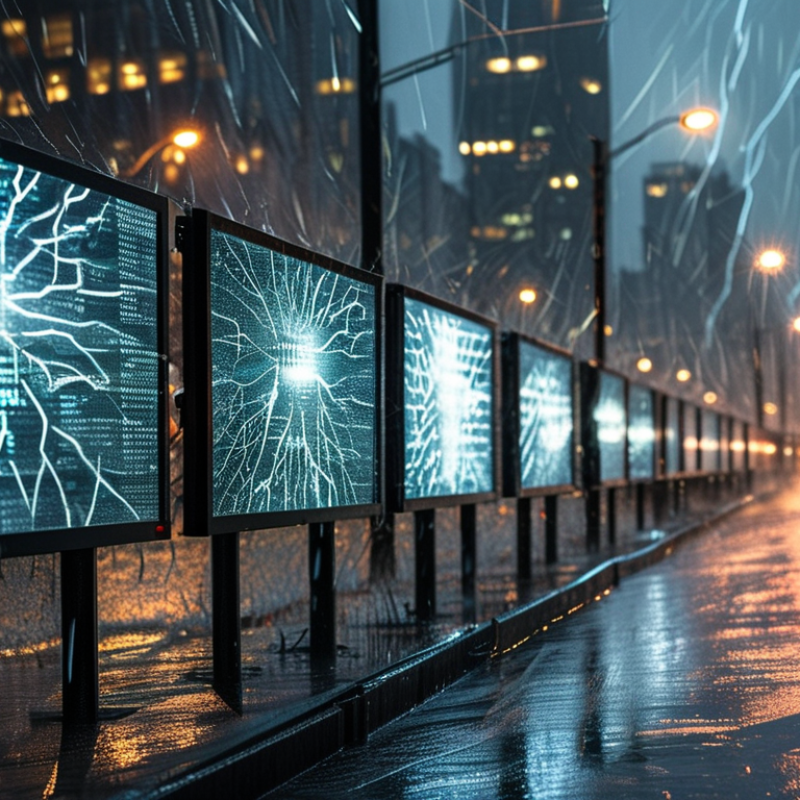
Top 10 Ways to Protect LED Displays from Lightning Strikes?

Understanding the Risks of Lightning Strikes on LED Displays

Lightning poses a significant threat to LED displays. When struck, these sensitive devices can suffer severe damage, leading to costly repairs or replacements. Understanding the risks is crucial. Lightning strikes can create surges that overwhelm the electronic components of an LED display. Even nearby strikes can induce electromagnetic pulses. Thus, displays without proper protection can easily become vulnerable.

One common misconception is that LED screens are inherently safe from lightning. This is false. Many operators assume that simply disconnecting displays from power sources before a storm is enough. In reality, it is only one part of a larger strategy. It is just as important to invest in surge protection devices. Effective grounding systems are also essential to mitigate lightning risks.

Many display owners overlook the need for regular inspections. Hardware may become worn or fail to perform under extreme conditions. This can lead to expensive downtime. A proactive approach includes routine maintenance checks. Neglect can amplify risks. Awareness of the local weather patterns is equally important. Installations in storm-prone areas require extra vigilance. Operators must recognize that risk management is an ongoing process, not a once-and-done task.

Top 10 Ways to Protect LED Displays from Lightning Strikes

Method Description Effectiveness Cost
Surge Protection Devices Install surge protectors to mitigate voltage spikes. High $$
Grounding Systems Ensure proper grounding of the display and its components. High $$$
Physical Barriers Use lightning rods or other barriers to redirect strikes. Moderate $$$
Disconnecting during Storms Manually disconnect the display during lightning storms. High $
Remote Monitoring Use systems to monitor weather and conditions automatically. Moderate $$$
Regular Maintenance Schedule regular checks on equipment and protective measures. High $$
Use of Shielding Implement shielding techniques like metal enclosures. Moderate $$$
Emergency Response Plan Create a plan for quick response to lightning events. High $
Education and Training Train staff on the risks and safety measures. High $$
Insurance Coverage Insure your equipment against lightning damage. Moderate $$$

Implementing Lightning Rods for Enhanced Protection

Implementing lightning rods can significantly enhance the protection of LED displays against lightning strikes. These rods work by channeling electrical discharge safely into the ground. When positioned correctly, they create a path that minimizes damage from lightning. Proper installation is crucial, as improper placement may not yield effective protection.

Tips for effective installation include situating rods at a higher elevation than the LED display. This position ensures that any lightning strike is more likely to hit the rod than the display. Additionally, ensure that the grounding system is robust and free from corrosion. Regular maintenance checks can identify potential weaknesses in the setup.

It’s also important to assess your location’s risk. Areas with frequent storms might need more than one rod. Remember, the rods should be visible but not obstructive to the display. Protecting your LED screens requires both planning and execution. Faulty installations could lead to severe damage, defeating the purpose of protection systems. Reflect on the environmental factors that could affect the longevity of your lightning protection setup.

Using Surge Protectors to Safeguard Electrical Components

Lightning strikes can severely damage LED displays. One effective way to protect these systems is by installing surge protectors. Surge protectors act as barriers against voltage spikes caused by lightning. They prevent these spikes from reaching sensitive electronic components. Proper installation is crucial. Many people overlook this aspect, leading to ineffective protection.

When selecting surge protectors, it's important to consider their specifications. Look for devices designed for your display's voltage and current ratings. A common mistake is assuming all surge protectors offer the same level of protection. Not all are created equal. Some may fail under extreme conditions, leaving equipment unprotected.

Regular maintenance of surge protectors can also enhance their effectiveness. It’s common to forget to check these devices periodically. Over time, surge protectors can degrade or fail. Implementing a routine inspection can identify issues before they become serious. Remember, protecting LED displays is a continuous process, not a one-time task.

Top 10 Ways to Protect LED Displays from Lightning Strikes

Establishing Grounding Systems for LED Installations

Grounding systems play a crucial role in protecting LED displays from lightning strikes. They dissipate excess electrical energy safely into the ground. Without proper grounding, the risk of damage increases significantly. It's essential to establish effective grounding systems during installation.

Tip: Ensure grounding conductors are properly installed. Use materials that help reduce resistance. Regularly inspect the connections to avoid wear or corrosion. Protection is not just about installation; it's about maintenance too.

A well-planned grounding system includes multiple grounding rods spaced adequately apart. These rods should be driven deep into the earth. This arrangement disperses lightning energy effectively. Neglecting this aspect can lead to costly repairs.

Tip: Conduct a soil resistivity test before installation. Understanding the ground conditions enhances the effectiveness of your system. While planning, consider local regulations as well. It's better to address these details upfront.

Regular Maintenance and Inspections for Lightning Preparedness

When it comes to protecting LED displays from lightning strikes, regular maintenance and inspections play a critical role. Ensuring that your system is in top condition can help mitigate risks and prepare for severe weather. Conducting routine checks allows for early detection of potential issues. This proactive approach makes it easier to implement necessary protective measures.

Consider implementing a checklist for inspections. Focus on connections, grounding systems, and surge protectors. Check for signs of wear and tear on cables and components. Small issues can escalate quickly, especially when a storm approaches. Address these problems promptly. Test your surge protection devices regularly to ensure effectiveness.

User training is also vital. Educate staff on the signs of impending storms and the proper shutdown procedures for your displays. Being aware can save time and resources. Documentation of maintenance activities is essential too. It builds a reliable history of your system's integrity. Regularly review this information to make informed decisions about upgrades and repairs.

FAQS

: What are surge protectors used for?

: Surge protectors safeguard LED displays from voltage spikes caused by lightning. They prevent damage to electronic components.

Why is proper installation important?

Proper installation is crucial for surge protectors. Many overlook this, leading to inadequate protection against voltage spikes.

How often should surge protectors be maintained?

Regular maintenance is necessary. Many forget to inspect them. A routine check can prevent failure and degradation over time.

What should be considered when choosing surge protectors?

Consider voltage and current ratings. Not all surge protectors provide the same level of protection. This is a common mistake.

How does grounding protect LED displays?

Grounding systems dissipate excess electrical energy safely into the ground. Without it, the risk of damage increases significantly.

What is a key aspect of grounding installation?

Ensure grounding conductors are correctly installed. Use materials that reduce resistance and regularly inspect for wear or corrosion.

What is an important step before installation?

Conduct a soil resistivity test. Understanding ground conditions is crucial for effective grounding systems.

What can regular inspections help with?

Inspections help detect potential issues early. A proactive approach allows timely implementation of protective measures.

Why is user training necessary?

Educate staff on storm signs and proper shutdown procedures. Awareness can save time and resources during severe weather.

How does documentation benefit maintenance activities?

Documentation builds a reliable history of the system’s integrity. Reviewing this information helps make informed upgrade decisions.

Conclusion

In the article titled "Top 10 Ways to Protect LED Displays from Lightning Strikes," various strategies are outlined to mitigate the risks posed by lightning. Understanding the inherent dangers that lightning strikes present to LED displays is crucial for owners and operators. Key measures include implementing lightning rods that can safely direct electrical surges away from sensitive equipment, and using surge protectors to safeguard vital electrical components from damage.

Additionally, establishing robust grounding systems is essential for proper installation, ensuring an effective pathway for electrical discharge. Regular maintenance and inspections are also emphasized, as they contribute to ongoing lightning preparedness. By following these guidelines, one can answer the question, "How to protect LED displays from lightning strikes?" and enhance the longevity and reliability of their lighting systems.

Isabella

Isabella

Isabella is a dedicated marketing professional with a sharp focus on driving brand growth and engagement through strategic content creation. With an extensive background in digital marketing, she combines her passion for storytelling with her keen understanding of industry trends to deliver......