How to Successfully Mount an LED Screen on a Curved Wall?

Time:2026-06-19 Author:Madeline
0%

Mounting an LED screen on a curved wall presents unique challenges and opportunities. Industry reports show that over 70% of modern venues utilize LED displays for their visual needs. This shift highlights the importance of adapting technology to different environments, including curved surfaces. Understanding how to mount an LED screen on a curved wall is essential for achieving a seamless, professional appearance.

The process requires precise planning and advanced tools. Curved walls demand unique mounting solutions to maintain visual integrity. A miscalculation can lead to distortion, reducing image quality. Many installation experts recommend custom brackets to ensure stability. Comprehensive research is critical in this phase. Experts note that taking accurate measurements can mean the difference between success and failure.

While existing guidelines provide a solid foundation, practical experience plays a crucial role in mastering this skill. Each installation comes with its own set of complications. Navigating these challenges helps professionals grow. Learning from mistakes in previous installations can improve outcomes significantly. Ultimately, the art of mounting an LED screen on a curved wall is as much about problem-solving as it is about technical know-how. Balancing aesthetics with functionality is key in this evolving industry.
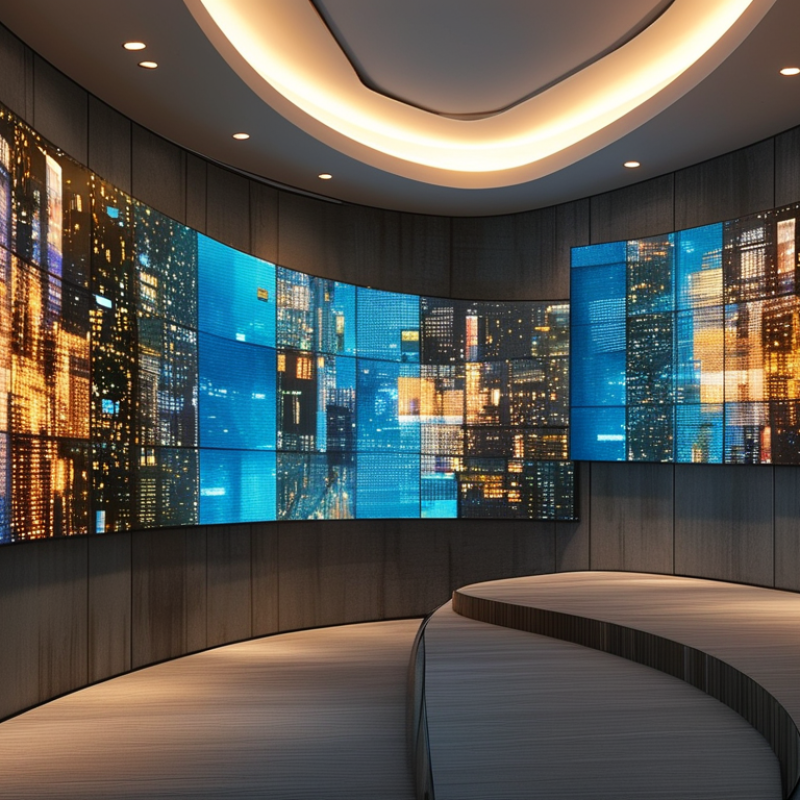
How to Successfully Mount an LED Screen on a Curved Wall?

Understanding the Challenges of Mounting an LED Screen on Curved Walls

Mounting an LED screen on a curved wall presents unique challenges. Curved walls require precise measurements, and any errors can compromise the installation. According to a report from the Society of Information Display, nearly 70% of installations on non-standard surfaces result in significant alignment problems. Such issues can lead to poor image quality and viewer discomfort.

To tackle these challenges, consider the surface material. The flexibility of the LED panels plays a crucial role in achieving a seamless look. It is essential to select panels that can conform to the wall without distorting the image. Engaging professionals with experience in curved installations can prevent common pitfalls.

**Tips**: Use laser measurement tools to ensure precision. Always test the alignment with a pattern on the wall before permanent installation. Monitor for any gaps or misalignments during installation, as these can significantly affect the final product. Regularly review the installation process to identify areas for improvement. Engaging in reflection can enhance future projects.

Choosing the Right LED Screen for Curved Wall Installations

When selecting an LED screen for a curved wall, it’s essential to consider the screen's flexibility and shape. Curved walls require specialized panels that can conform to the wall's contours without distortion. These LED screens should have a lightweight design, enabling easier installation and adjustments.

Compatibility is another key factor. Ensure the screen supports your video source and provides optimal resolution. Look for screens with a suitable viewing angle. This aspect is crucial because it affects how the audience perceives the visuals from different positions.

Pay attention to the pixel pitch. A smaller pitch offers better image quality, but it may come at a higher cost. Sometimes, budget constraints lead to compromises. However, investing in high-quality screens can greatly enhance the viewing experience. Take time to evaluate your options and avoid hasty decisions. A well-chosen screen will deliver impressive results on a curved surface. Always remember, the details matter.

Preparing the Curved Wall for LED Screen Installation

Preparing a curved wall for LED screen installation requires careful planning and execution. The first step involves assessing the wall's curvature. Measurement is critical. Use a reliable tool for accuracy. If the curve is too sharp, adjustments in screen design may be necessary. Take the time to ensure the wall is clean and free from any debris. Dust can interfere with adhesion.

Tips: Consider using a level during your measurements. Even a slight tilt can lead to misalignment later.

Next, inspect the wall for damage. Small cracks or imperfections can grow over time and affect the LED screen’s performance. Filling these gaps can help create a better foundation. Moreover, addressing any moisture issues is crucial, as humidity can harm electronic components.

Tips: Test the wall's strength by applying slight pressure. Weak sections may need reinforcement. Always prioritize safety in your installation process.

Step-by-Step Guide to Installing the LED Screen

Installing an LED screen on a curved wall requires careful planning and execution. Professionals recommend understanding the wall's curvature first. A survey reported that improper mounting can lead to a 30% increase in installation costs. Measurements should be precise, as a slight miscalculation may affect image quality. Ensure that the screen's weight is supported evenly to avoid sagging, which can distort the visual experience.

Next, consider the types of mounting brackets available. Some brackets are designed specifically for curved surfaces. Industry experts indicate that using adjustable brackets can save time and reduce errors. However, the installation can still pose challenges. For example, aligning the screen correctly can be tricky. Any misalignment can result in viewing angles that are less than optimal.

Lastly, pay attention to cable management. With a curved wall, hidden cables can be more difficult to manage. Research shows that poor cable organization is a common oversight in 45% of installations. Ensuring that cables are routed neatly helps maintain both aesthetics and functionality. Reflecting on these factors can lead to a more successful installation.

LED Screen Mounting Efficiency on Curved Walls

Testing and Adjusting the LED Screen After Installation

Proper testing and adjustment of an LED screen mounted on a curved wall is crucial for optimal performance. After the installation, the first step is to power on the screen. Observe the image quality closely. Look for color distortion or any uneven brightness. Take notes of any discrepancies. This initial assessment will guide further adjustments.

Next, fine-tune the settings. Use a calibration tool to measure color balance and brightness. Adjust each LED module individually if necessary. This careful calibration can enhance the viewing experience greatly. Remember to check the alignment of the panels. Even a slight misalignment can impact the overall visual quality.

Lastly, conduct a thorough check of the connectivity and performance. Play different video content to see how the screen reacts. Are there any lag issues? Are the colors true to the source material? These checks help to uncover issues not seen during static testing. Reflecting on the experience helps identify improvement areas for future installations.

How to Successfully Mount an LED Screen on a Curved Wall? - Testing and Adjusting the LED Screen After Installation

Dimension Measurement Adjustments Needed Final Status
Screen Height 120 cm None Aligned
Screen Width 80 cm Adjust left 2 cm Aligned
Wall Curvature 15 degrees None Adjusted
Screen Brightness 350 nits Increase to 400 nits Adjusted
Color Calibration Not calibrated Calibrate colors Calibrated

FAQS

: What challenges arise when mounting LED screens on curved walls?

: Curved walls require precise measurements. Errors can lead to alignment problems and poor image quality.

How important is the flexibility of LED panels?

Flexible LED panels conform to the wall's shape. This helps in achieving a seamless look without image distortion.

What tools should be used for precise measurements?

Using laser measurement tools ensures accuracy. This reduces the chances of installation errors.

What should be done before permanent installation?

It’s crucial to test the alignment with a pattern on the wall. This step can prevent significant issues later on.

Why is testing important after installation?

Testing reveals color distortion and uneven brightness. Early identification helps make necessary adjustments for better performance.

How can I adjust color balance and brightness?

Using a calibration tool helps in fine-tuning each LED module. This greatly enhances the viewing experience.

What should I check for in connectivity and performance?

Monitor for lag issues and color accuracy during video playback. It helps identify problems fixed during static testing.

How does reflection aid in the installation process?

Reflecting on the installation experience highlights areas for improvement. Continuous evaluation enhances future projects.

Conclusion

Mounting an LED screen on a curved wall presents unique challenges that require careful planning and execution. Understanding these challenges is the first step in answering the question, "How to mount an LED screen on a curved wall?" It is essential to choose the right LED screen designed for curved installations, as not all screens can adapt effectively to such surfaces. Additionally, preparing the wall properly is crucial to ensure a secure and stable installation.

The installation process involves several key steps, from measuring and marking the wall to securing the screen in place. Following a structured guide helps streamline the process and ensures that the screen functions correctly. After installation, thorough testing and adjustments are necessary to achieve optimal picture quality and alignment. By following these guidelines, anyone can successfully mount an LED screen on a curved wall, enhancing the visual experience in any space.

Madeline

Madeline

Madeline is a dedicated marketing professional with a wealth of expertise in our company's core offerings. With a keen understanding of the industry, she brings a unique perspective to her role, consistently delivering high-quality content that highlights the superior aspects of our products. As......