When it comes to calculating power consumption for LED walls, precision is key. James Anderson, a leading expert in LED technology, emphasizes the importance of understanding the energy needs. He once stated, “Accurate calculations can save money and enhance performance.” This emphasizes the need for clear guidelines on how to calculate power consumption for an LED wall.
LED walls are increasingly popular in various settings, from concerts to retail displays. As their usage grows, so does the concern over energy efficiency. Knowing how to calculate power consumption for an LED wall is essential for effective budgeting and sustainability. Power consumption depends on factors like brightness, size, and usage duration. Each aspect deserves attention to ensure optimal performance.
These calculations can seem daunting. Mistakes may lead to unexpected costs or inadequate brightness. Therefore, it’s vital to follow proven tips. The right approach not only aids in efficiency but also protects the environment. Understanding the nuances will guide you to make informed decisions. Balancing performance and consumption is a complex but necessary endeavor.
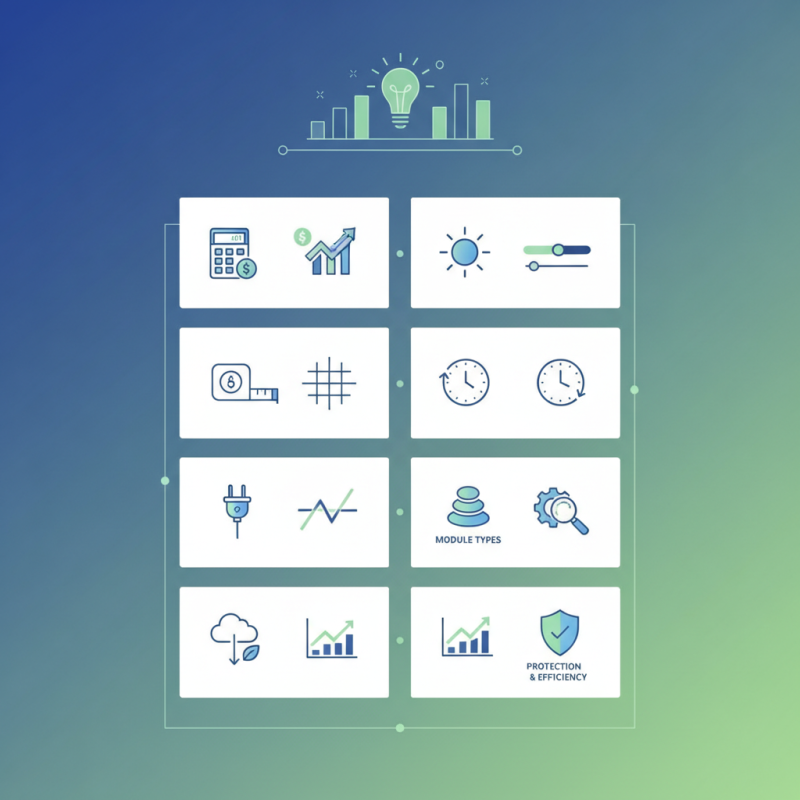
LED walls have become popular for their vibrant displays and versatility. Understanding their power requirements is critical for effective installation and usage. Each LED panel consumes energy, dependent on its size and brightness. A typical panel may use between 300 to 800 watts. Knowing these specifics is essential for calculating total power consumption.
When determining power needs, consider the total square footage of the wall. Multiply the wattage per square foot by the total area. This calculation helps you avoid overloading circuits. Additionally, environmental factors like ambient light levels can affect performance and power use. A well-lit area may require higher brightness, thus increasing consumption.
Planning is crucial. It’s advisable to consult an electrician for accurate load assessments. Many overlook the importance of proper ventilation. Overheating can lead to increased power draw and reduced lifespan. Reflecting on these aspects can ensure optimal performance.
When considering power consumption for LED walls, several key factors play a crucial role. The brightness level is one major influence. Higher brightness requires more power. Outdoor LED walls typically need higher brightness, especially in sunlight.
Another factor is the size of the LED wall. Larger walls obviously consume more energy. However, effective design can optimize energy use, even in bigger installations. Additionally, the technology used in the LED panels matters. Modern, energy-efficient LEDs can significantly reduce overall consumption.
Here are some tips to calculate power consumption. Begin by determining the wattage per square meter for the specific LED model. Multiply this by the area of the wall for total consumption. Also, consider usage hours. This provides a realistic estimate of energy costs. Using programmable controllers can also help manage power efficiently. Lastly, assess environmental factors. Temperature and humidity can impact performance and energy use, leading to discrepancies in calculations.
This chart displays the estimated power consumption of different LED wall sizes, measured in Watts per square meter (W/m²). The data represents a range of common LED wall sizes used in various applications.
Measuring power consumption accurately for LED walls is crucial for effective management and budgeting. Start by identifying the specifications of your LED panel. Each panel has a defined power capacity, usually specified in watts per square meter. Knowing this helps in calculating total power needs, especially when covering large areas.
Gather necessary tools like a power meter. Plug your LED wall into this meter. It gives real-time data on energy usage. Note down both idle and active power consumption. Make sure to measure at different brightness settings. This variability can significantly affect power usage. Record these details over various operational conditions.
Cross-check your findings with manufacturer specifications. Discrepancies may arise from environmental factors or operation methods. Reflect on your outcomes and determine if adjustments are needed to optimize power efficiency. Regularly updating your measurements ensures accuracy over time. Power management for LED walls is an ongoing process, not a one-time task.
Calculating the total power consumption for multiple LED panels is crucial. Each LED panel has specific power requirements. Knowing this helps in planning efficient setups. When dealing with several panels, it's important to take the sum of their individual power ratings. This can prevent overloading circuits.
Consider panel specifications carefully. Look at the voltage and current ratings. Multiply these values to find the total wattage. It’s easy to overlook smaller panels’ contributions. Even small differences add up with multiple units. If you have multiple setups, you may need to adjust accordingly. Measurements can vary based on usage, so allow for some operational flexibility.
Some setups may face unexpected challenges. Power consumption can change in different environments. Temperature, brightness, and usage can all affect performance. Regularly reviewing power calculations helps maintain efficiency. Expect occasional discrepancies in your estimates. Learning from these discrepancies can improve future assessments. Being adaptive is key in managing LED systems effectively.
Optimizing power efficiency in LED walls requires attention to several best practices. Start by calculating the total power consumption accurately. This means understanding the wattage of each panel and considering factors like brightness levels and display duration. It's essential to use reliable measuring tools for this task. Many users overlook the significance of variable brightness settings. Reducing brightness not only saves energy but can improve the lifespan of the panels.
Next, consider the layout of the LED wall. Placing panels closer together can increase efficiency and reduce power use. It's wise to adopt power distribution strategies that minimize losses. Additionally, regular maintenance is crucial. Dust and debris can hinder performance and lead to increased power consumption. Schedule periodic checks to ensure optimal functionality.
Reflect on your setup. Are you using outdated technology? Older models may have lower efficiency. Upgrading could bring substantial energy savings over time. Sometimes, reassessing your needs can lead to better energy management. Thoughtful decisions about placement and maintenance can dramatically impact overall power efficiency.
: Consider the size and brightness of the LED panels. Average consumption ranges from 300 to 800 watts.
Multiply wattage per square foot by total square footage. This helps avoid overloading circuits.
Proper ventilation prevents overheating. Overheating increases power draw and can shorten the lifespan of panels.
Use a power meter to get real-time data. Measure both idle and active power consumption.
Ambient light levels, temperature, and brightness settings can all influence power usage significantly.
Regularly reviewing measurements is essential. This helps maintain accuracy and optimize power efficiency over time.
Cross-check findings with manufacturer specifications. Environmental factors may create discrepancies that need addressing.
Adjustments may be needed based on performance observations. Reflecting on discrepancies can lead to better future assessments.
Overlooking smaller panels can lead to inaccurate power calculations. Even minor contributions add up significantly.
No, it’s an ongoing process. Regular updates and assessments are critical for effective management.
When exploring how to calculate power consumption for an LED wall, it's essential to start with a solid understanding of the basics and the power requirements specific to LED technology. Key factors such as brightness levels, panel size, and usage patterns significantly influence power consumption. To measure power usage accurately, a systematic approach is necessary, allowing for precise calculations of total power for multiple LED panels.
Additionally, implementing best practices for optimizing power efficiency ensures that LED walls perform effectively while minimizing energy usage. This involves regular monitoring and adopting strategies that reduce unnecessary power draw, further enhancing the sustainability of LED displays. Ultimately, knowing how to calculate power consumption for an LED wall is crucial for anyone looking to manage energy use effectively in this ever-evolving technology landscape.

Sync LED