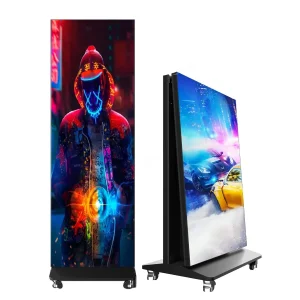
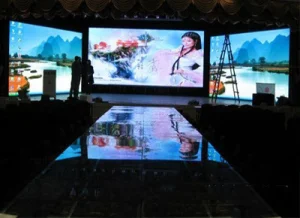
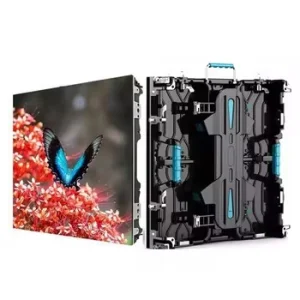
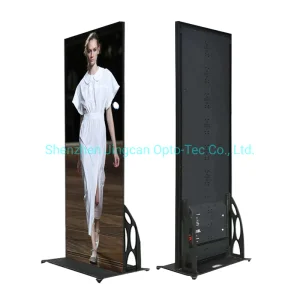
Explore our premium architectural display lineup engineered for structural integration, superior optical performance, and extreme environment resistance.
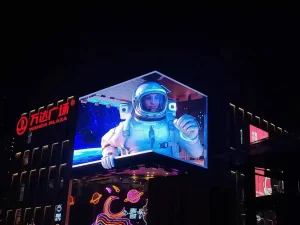
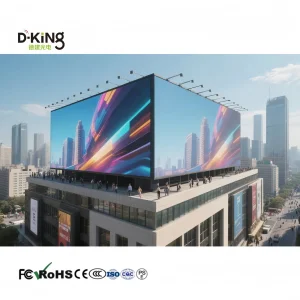
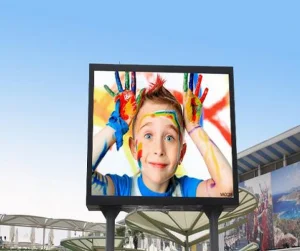
Modern commercial architecture is evolving rapidly from passive concrete and glass facades into dynamic, interactive digital ecosystems. Architectural LED displays have become the cornerstone of high-profile real estate branding, smart city public structures, and high-end retail designs. Choosing the right exporter is critical: it requires deep engineering compliance, complex structural calculations, and a secure global supply chain.
As senior engineers and SEO analysts tracking Google's Search Quality Guidelines, we emphasize the transition from generic catalog suppliers to integrated technology partners. The global architectural LED market values structural integrity, energy savings, and custom manufacturing agility above standard off-the-shelf specs.
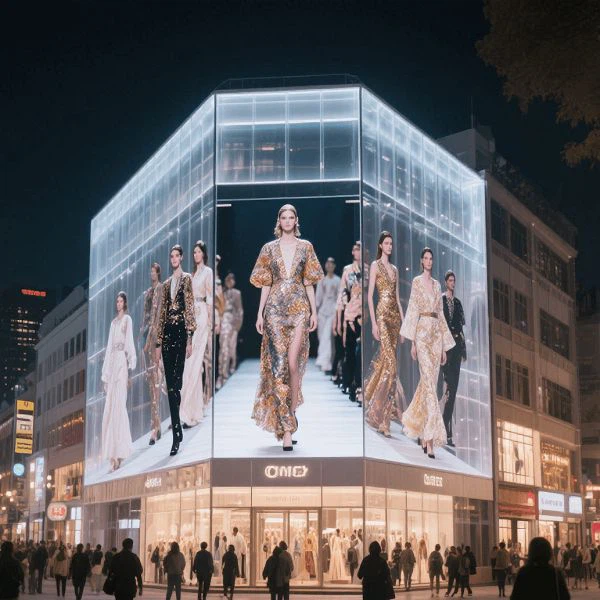
Twenty Years of Innovation, Technical Integration, and Global Engineering Delivery
Founded in 2003, Shenzhen Sync LED Co., Ltd. has spent over two decades pioneering advanced optoelectronic technologies. Originating from Xiamen, China, we transitioned to the global technology hub of Shenzhen to scale our manufacturing capabilities. Today, we are recognized as a trusted partner for structural media projects worldwide.
Unlike standard suppliers, Sync LED provides 100% customized solutions. We adapt every specification to the architectural context, adjusting parameters such as:
Our collaborative design process ensures that architects, building contractors, and system integrators receive products optimized for both weight constraints and local wind load calculations.
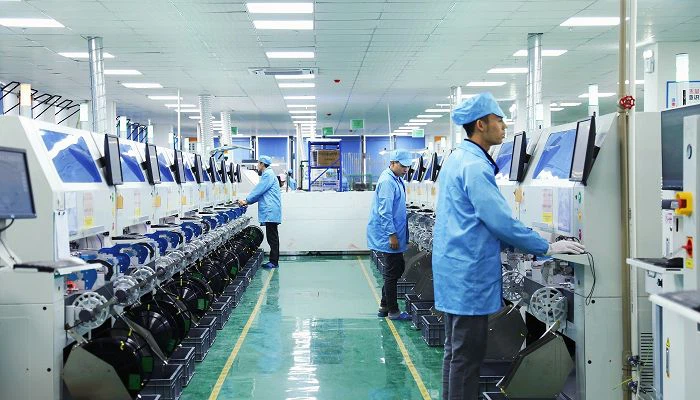
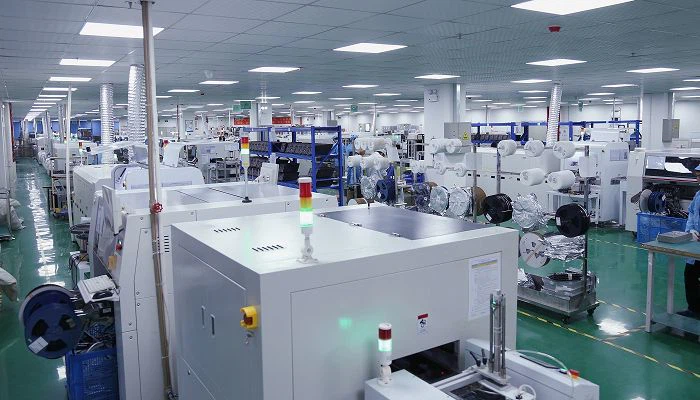
Inside Sync LED’s State-of-the-Art Intelligent SMT Production and Quality Control Center
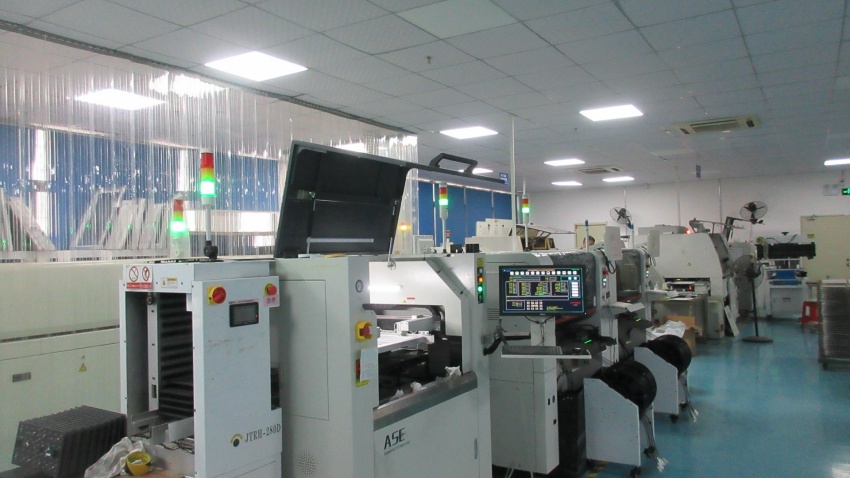
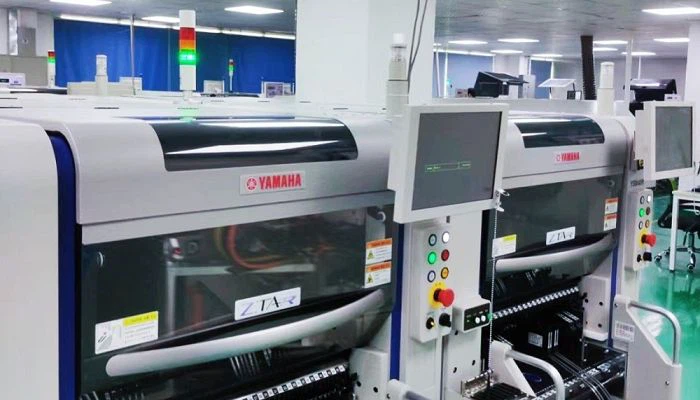
Our Shenzhen manufacturing hub is built on a Factory 4.0 architecture, combining automation, real-time telemetry, and agile assembly protocols. This infrastructure allows us to support fast 1-to-10 workday delivery schedules for standard modules while maintaining custom cabinet lines for bespoke architectural shapes.
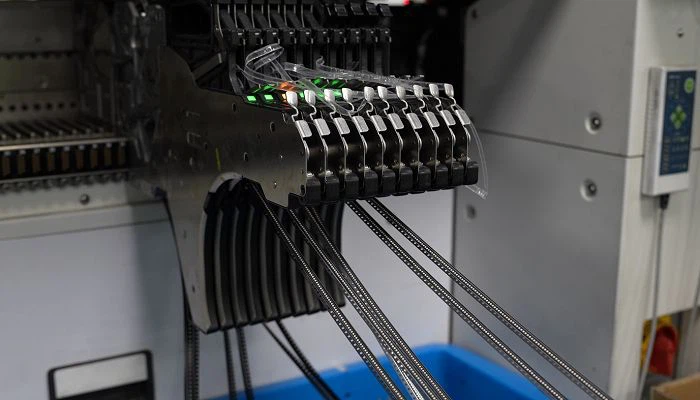
Automated high-speed placement machines mount millions of LEDs daily, maintaining sub-pixel pitch precision across large-format production lines.
Our 12-zone thermal profile controls the reflow process to prevent cold joints, minimize thermal stress, and extend diode lifetime.
Automated Optical Inspection scans printed circuit boards immediately post-soldering, identifying and correcting defects before module packaging.
Emerging Optoelectronic Trends, Smart Integration, and Eco-Efficiency Paradigms
Conventional Surface Mounted Devices (SMD) are increasingly giving way to Chip-on-Board (COB) and MicroLED in Package (MIP) configurations. COB encapsulates the silicon chip directly onto the substrate, eliminating gold wire bonds. This design significantly improves thermal dissipation, prevents pixel failure, and provides a wide 170-degree viewing angle for street-level viewing.
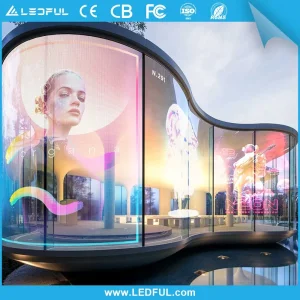
The next frontier in digital architecture is the seamless integration of displays into transparent glass facades. Through-silicon vias and micro-wire layouts allow transparent LED mesh products to exceed 80% optical transparency. This keeps interior natural light pathing unaffected while displaying high-contrast imagery on the exterior.
Energy regulations like the EU's Ecodesign Directive are reshaping architectural requirements. Modern systems now utilize common-cathode power supply architecture. By supplying dedicated voltages to Red (2.8V) and Green/Blue (3.8V) diodes separately, this design cuts power loss and reduces heat output by up to 35% compared to traditional common-anode systems.
High-end displays now incorporate active telemetry loops within their IC driver components. Real-time monitoring of temperatures, voltage drops, and pixel failures allows control systems to generate predictive maintenance reports. These tools identify power supply degradation before structural panels fail.
Industrial testing standards that verify structural reliability in extreme climates.
Sync LED ensures long-term operational performance through a multi-stage testing process. Before shipment, every panel undergo rigorous testing to ensure stability in coastal climates, high-humidity regions, and areas with wide temperature swings.
Modules undergo cycling from -30°C to 60°C. This simulates intense seasonal changes, testing the expansion rate of materials and the reliability of solder joints.
We measure chromaticity and peak wavelengths across the display to verify color matching and prevent color-shifting.
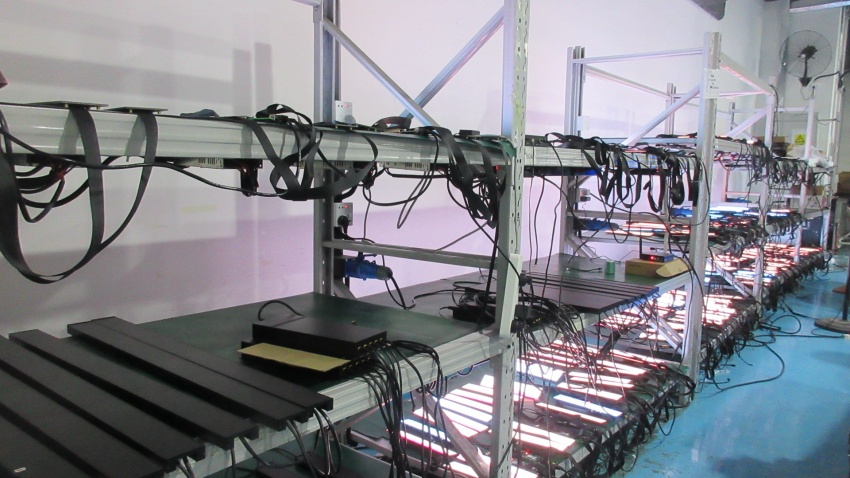
We run all units continuously for 72 hours, switching between pure red, green, blue, and white screens. This tests power supplies, driver ICs, and connections to verify performance before shipping.
Engineered hardware and custom software designs for specialized vertical industries.
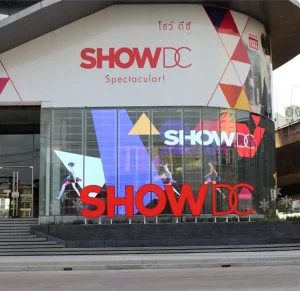
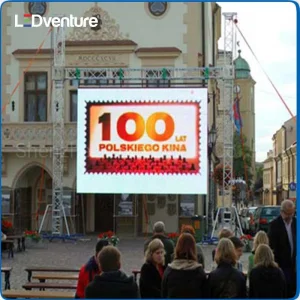
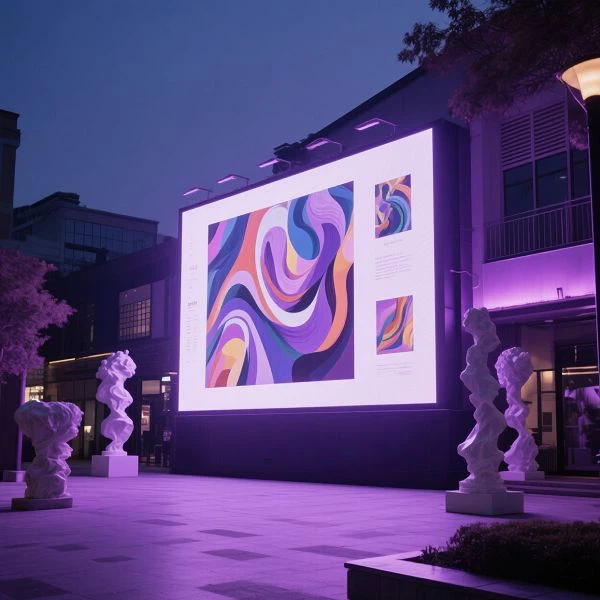
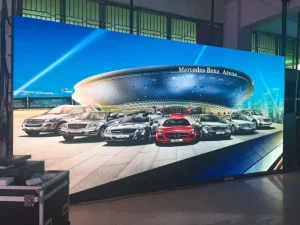
Designed for maximum visual impact, our outdoor commercial solutions use high-contrast SMD and naked-eye 3D capabilities. Brightness levels remain clear even in direct sunlight, drawing foot traffic to retail fronts and shopping centers.
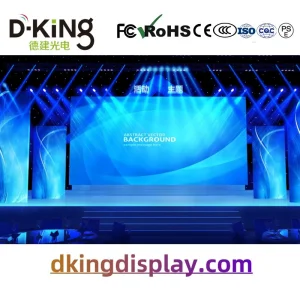
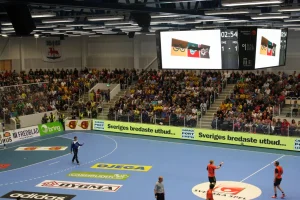
We provide stadium-grade systems with impact-resistant protective covers and soft top caps. Integrated control software supports real-time scoring, live broadcast signals, and synchronizes ad space across stadium layouts.
These systems are designed for high reliability in high-traffic airports, train platforms, and bus hubs. They feature redundant backup power and data paths, low Electromagnetic Interference (EMI), and integrate with public flight and travel timetables.
Meeting regulatory standards and structural requirements for international projects.
Enterprise procurement teams must verify both technical specifications and regulatory compliance when purchasing for commercial developments. Sync LED holds international certifications that meet strict global construction standards:
Engineering-grade answers to help you navigate design, installation, and procurement challenges.
From high-resolution conference panels to outdoor flexible mesh, explore our full product range.
Every commercial architectural installation is unique, which is why we provide complete engineering support. Our design team assists project managers through every stage, including structural load calculations, power distribution design, and control system configuration.
We provide 24/7 technical assistance to ensure uninterrupted operation. For complex installation challenges that cannot be resolved remotely, we can dispatch certified engineers for on-site troubleshooting, keeping your project run smoothly.
 Sync LED