Explore our cutting-edge configurations optimized for high-intensity commercial outdoor environments, creative stage rentals, and interactive close-up displays.
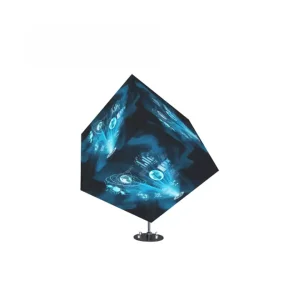

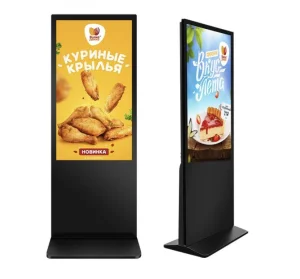
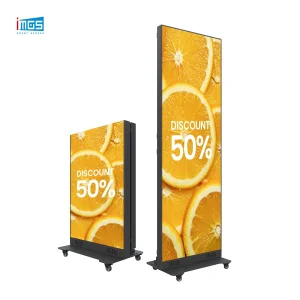
Founded in 2003, Shenzhen Sync LED Co., Ltd. has stood at the absolute forefront of the global LED display engineering sector for over two decades. Originating in Xiamen, China—a historical manufacturing hub for electro-optics—we subsequently centralized our main R&D facility and production complex within Shenzhen's high-tech industrial corridor. This deliberate positioning places us inside the world's most dense component supply chain, giving us direct access to cutting-edge semiconductor packaging technologies and leading IC drivers.
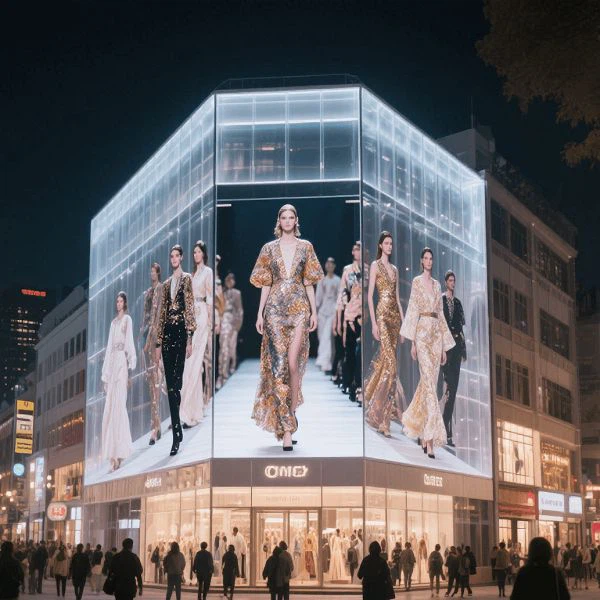
Over the last twenty years, we have transitioned from a localized assembler to an international enterprise supporting system integrators, media consultants, architectural developers, and commercial entities worldwide. We offer comprehensive, 100% custom-designed architectures that match specific project requirements. Our designs balance visual specs, structural limits, and environmental conditions.
By controlling the entire process from structural design to component selection (such as high-end Nationstar copper/gold wire LEDs and Macroblock driving ICs), we deliver extreme durability and stable optical efficiency.
Procuring LED billboards internationally requires a deep understanding of total cost of ownership (TCO), physical engineering risks, and optical properties. Large enterprise buyers are no longer simply looking at price-per-square-meter; instead, they analyze operational efficiency, structural longevity, and system reliability over 5-to-10-year lifecycles.
High-brightness outdoor screens (6,000 to 10,000 Nits) can consume huge amounts of power. Sync LED integrates common-cathode technology, powering the Red, Green, and Blue subpixels at different voltages (typically 2.8V and 3.8V). This minimizes excess heat dissipation and cuts power consumption by up to 30% compared to traditional common-anode systems.
Large-scale outdoor screens face strong wind loads and temperature fluctuations. Our mechanical engineering division uses lightweight, high-tensile die-cast aluminum alloys and magnesium-aluminum structures. This reduces deadweight on supporting building structures, prevents warping over time, and simplifies maintenance access.
Uncertified displays risk insurance claims and local regulatory fines due to electromagnetic interference or safety issues. We guarantee complete regulatory alignment across North America and Europe, providing systems certified to CE, FCC, RoHS, and ETL standards.
Modern screen setups require specific physical shapes and optical performance based on where and how they are used. Below is our blueprint detailing specialized configurations for primary global industry verticals:
| Industry Vertical | Typical Applications | Critical Optical Requirements | Recommended Architectural Solution |
|---|---|---|---|
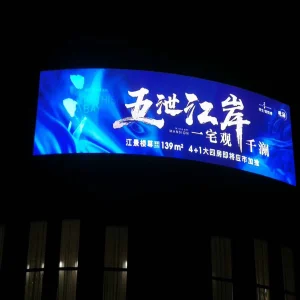
| DOOH & Outdoor Advertising | Highway billboards, city center pillars, building facades | Brightness >8000 nits, IP65+ protection, automated light sensors | P8/P10 energy-saving outdoor screen with front/rear dual service access |
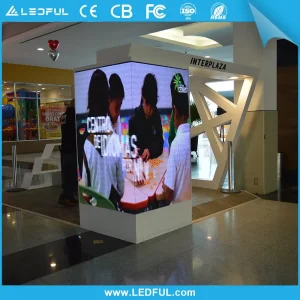
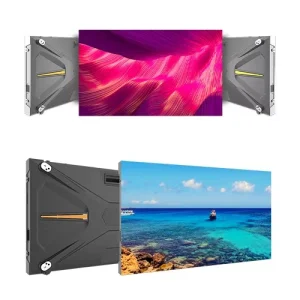
| Retail & Brand Experience | Flagship stores, shopping malls, cosmetic counters | High color fidelity, close viewing distance, custom shapes | P1.5/P2 ultra-fine pitch indoor modules, flexible LED columns |
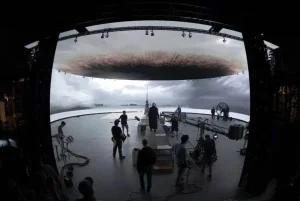
| Entertainment & Rental | Concerts, theater backdrops, trade show stages | Rapid installation, impact resistance, light weight | P3.91 die-cast aluminum rental cabinets with fast-lock mechanisms |
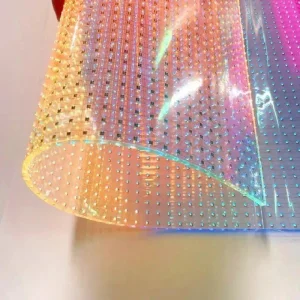
| Innovative Architecture | Glass curtain walls, luxury retail windows, building skins | Transparency >75%, natural light integration | Flexible adhesive transparent LED film or glass-mount mesh panels |
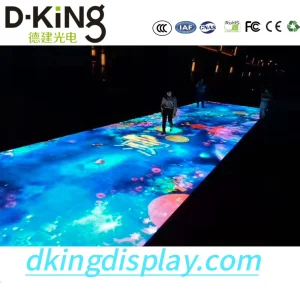
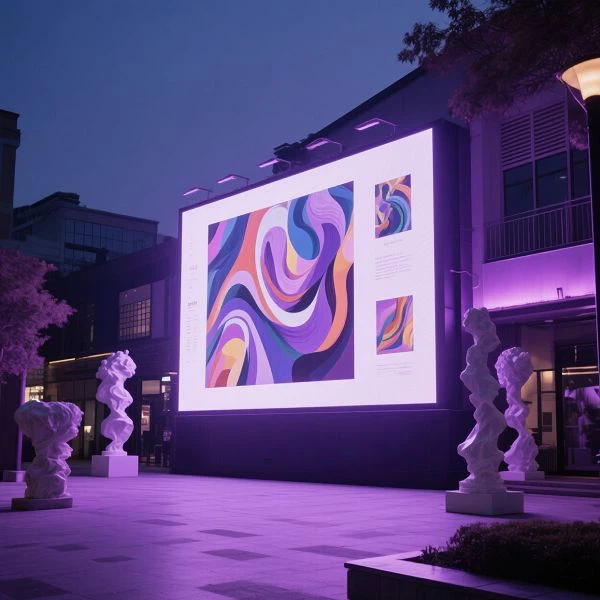
Sync LED offers customized layouts tailored to the physical requirements of your building. This includes curved corners, right-angle pillars for naked-eye 3D rendering, and floor tiles that handle heavy weight with interactive touch sensors.
The LED display sector is shifting from basic SMD packaging to high-performance micro-LED and integrated driver systems. Sync LED's R&D is focused on four core technical directions:
Chip-on-Board (COB) technology mounts red, green, and blue diodes directly to the PCB board. This eliminates traditional plastic housing, enabling ultra-fine pixel pitches under P0.9 and reducing component failure rates. Glue-on-Board (GOB) adds a transparent epoxy layer to standard SMD modules, offering IP65 physical impact protection, dust-proofing, and anti-static defense—crucial for high-traffic environments.
To produce realistic 3D effects without glasses, displays require high refresh rates (>3840Hz), precise contrast (10,000:1), and seamless corner transitions. Our right-angle cabinet designs feature beveled edges (45 degrees) that form a smooth 90-degree corner, eliminating visual gaps. This ensures uninterrupted content flow, maintaining the depth effect that captures pedestrian attention.
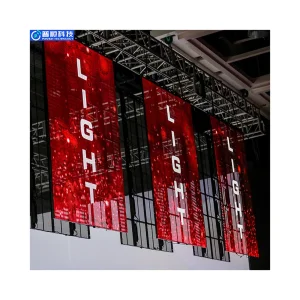
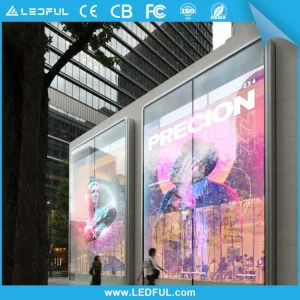
Traditional window signage blocks indoor light. Our HD transparent film LED panels use micro-grid circuits embedded in highly transparent PET film. At only 2.5mm thick, these panels can be applied directly to glass facades. They provide high-brightness content while keeping the building interior naturally illuminated.
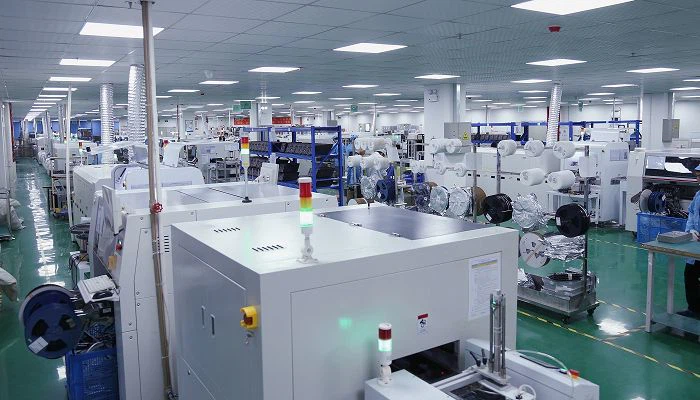
Our state-of-the-art facility in Shenzhen operates fully automated high-speed SMT placement lines, nitrogen reflow ovens, and precise diagnostic scanners. Quality is maintained through strict automated inspection steps at every stage of production.
Automated high-speed printing and placement with precision positioning.
Automated Optical Inspection scans micro-solder joints for faults.
12-zone thermal profile to ensure solid electrical connections.
Module testing from -30°C to 60°C to simulate extreme climates.
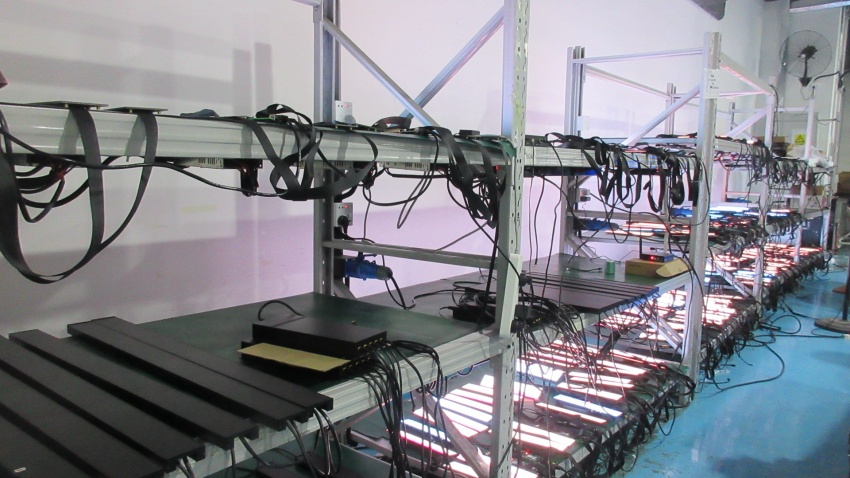
Continuous power testing and spectroradiometer color tuning.
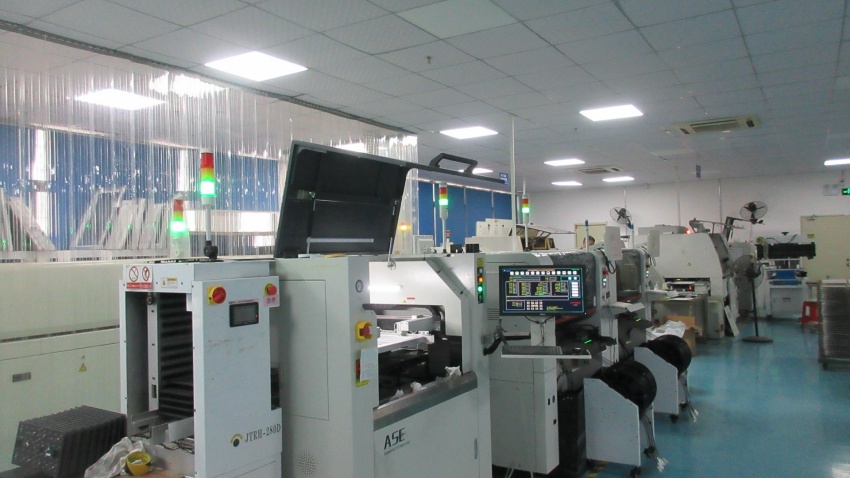
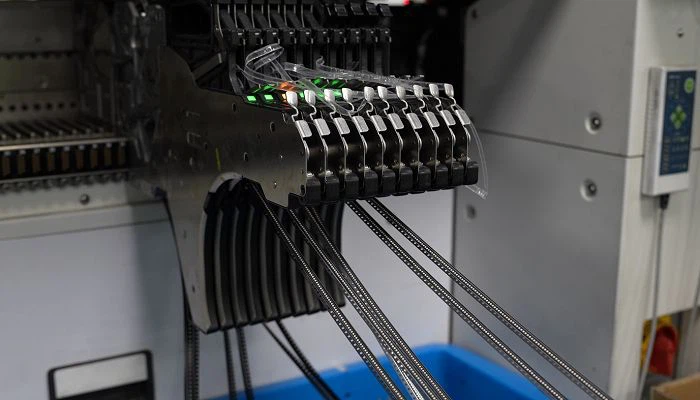
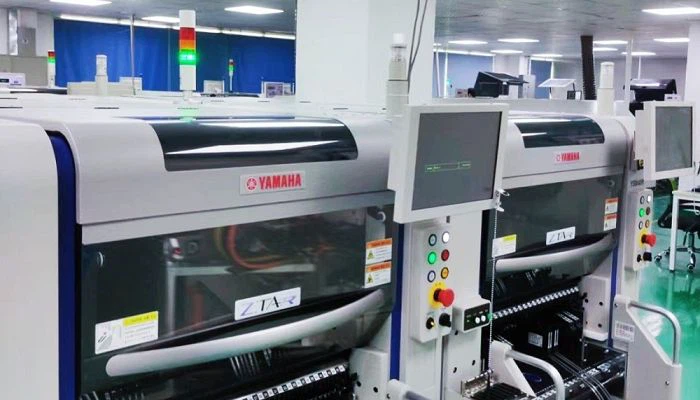
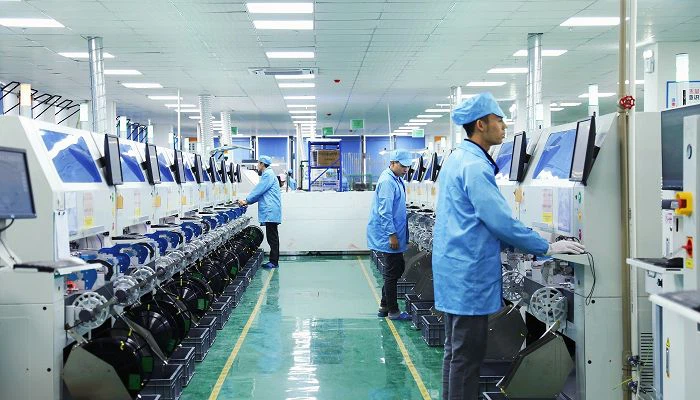
Selling displays globally requires strict adherence to international electrical, safety, and environmental regulations. Sync LED products undergo third-party testing to secure the necessary certifications for smooth customs clearance and compliant installation on site.
CE Certification: Confirms alignment with health, safety, and environmental protection standards within the European Economic Area (EEA).
FCC Declaration: Ensures electromagnetic interference remains within limits defined by the Federal Communications Commission in the US.
RoHS Compliance: Guarantees the elimination of hazardous substances (such as lead, cadmium, and mercury) in all internal components.
Technical answers to help buyers evaluate specifications and plan system integration.
SMD packages have the red, green, and blue diodes housed in a single plastic frame, which is soldered to the PCB. In contrast, COB mounts the bare LED chips directly to the board, covering them with a protective epoxy layer. COB provides smaller pixel pitches (under P1.0), wider viewing angles, higher contrast, and stronger protection against moisture, dust, and impacts compared to standard SMD displays.
Indoor screens usually operate between 800 and 1,500 Nits. Window displays facing outward require 2,500 to 3,500 Nits to combat glare. Standard outdoor screens in direct sunlight need a minimum of 5,500 Nits, while high-exposure billboards in tropical regions require up to 8,000 to 10,000 Nits to remain visible during peak daylight hours.
Color shift is caused by changes in temperature, variations in diode quality, or uneven power delivery. We prevent this by selecting high-quality diodes from consistent batches, using multi-layer PCBs for better heat dissipation, and calibrating the system with spectroradiometers. These steps ensure consistent color performance across the entire screen.
Standard common-anode systems supply a single voltage to all three subpixels (Red, Green, Blue), which wastes energy as heat since Red requires less voltage. Common-cathode systems supply the Red subpixel with 2.8V and the Green/Blue subpixels with 3.8V. This reduces power consumption by 20% to 30%, lowers operating temperatures, and extends the lifespan of the display.
We offer both front and rear maintenance access. Front-access displays use magnetic or screw-release modules, allowing technicians to service internal components from the front without removing the cabinet from the wall. This is ideal for wall-mounted indoor screens and tight outdoor installations.
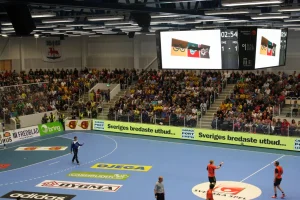
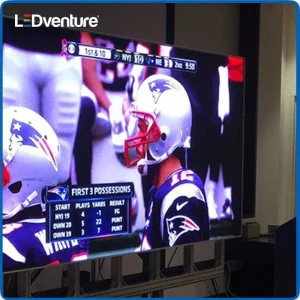
Explore our technical configurations, including transparent window films, stadium boards, weather-proof pillar displays, and high-contrast 3D screens.
 Sync LED