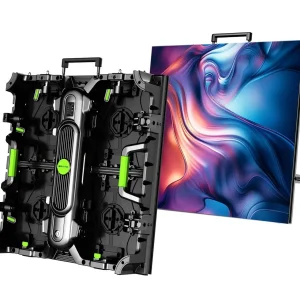
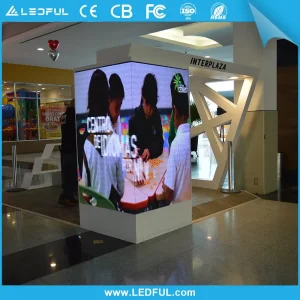
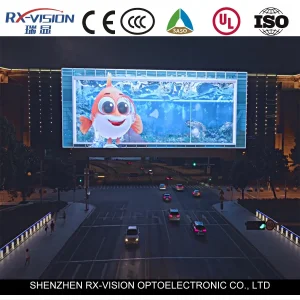
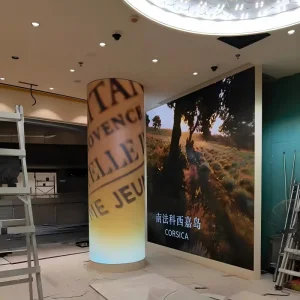
Explore our high-performance solutions engineered for mission-critical commercial advertising, stage rental, and creative structural applications.
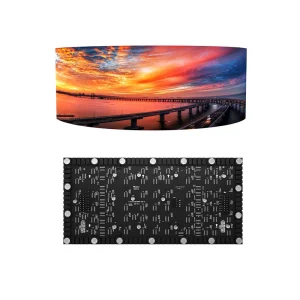
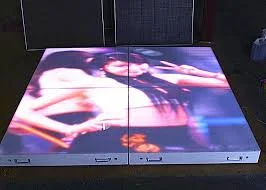
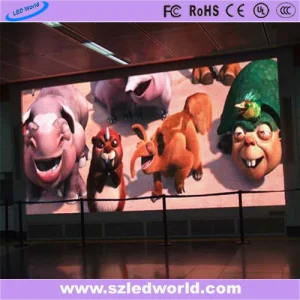
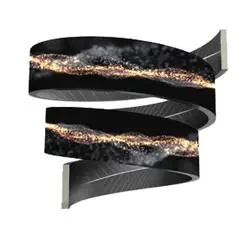
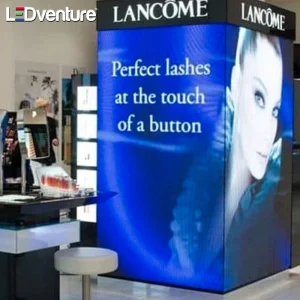
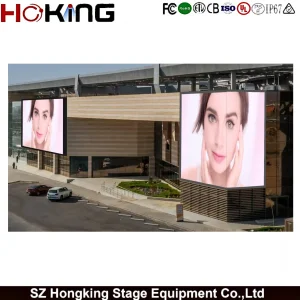
The global display industry is undergoing a monumental architectural shift. From traditional liquid crystal displays (LCD) utilizing conventional CCFL or basic edge-lit LED configurations, the market has pivoted aggressively toward advanced Direct-View LED (DVLED) walls and highly sophisticated LED backlit display technologies. In industrial control rooms, high-end commercial centers, transportation terminals, and virtual production stages, the demand for visual precision, dynamic contrast, and extreme durability has never been higher.
Today's enterprise-level buyers are no longer looking just for "screens." They seek comprehensive visual engines capable of delivering high HDR compliance, low latency, thermal stability, and long operational life. The integration of technology like COB (Chip-on-Board) and GOB (Glue-on-Board) has revolutionized reliability, rendering screens dustproof, moisture-proof, and anti-collision—critical parameters for public and heavy-industry applications.
Founded in 2003, Shenzhen Sync LED Co., Ltd. has established itself as an elite pioneer in the global optoelectronics sector for over two decades. Originating in Xiamen, China, and expanding strategically to the global high-tech electronics capital of Shenzhen, we have built a legacy based on precision engineering, state-of-the-art automation, and client-focused customizable architectures.
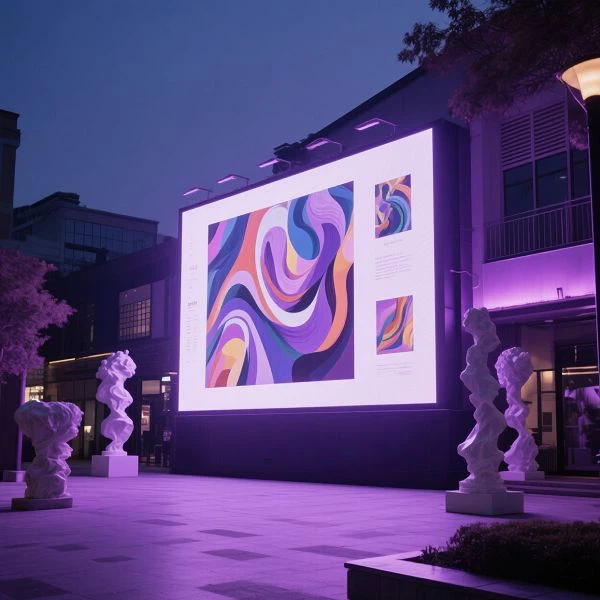
We operate at the intersection of aesthetic design and scientific durability. Sync LED specializes in delivering 100% customized display matrices, giving electrical engineers and architects full control over nit-brightness configurations, pixel-pitch resolutions, customized cabinet dimensions, and physical structural flexibility. Whether implementing ultra-fine pitch HD screens for internal briefing rooms or massive wind-resistant 3D advertising panels for skyscrapers, we deliver targeted, compliant engineering.
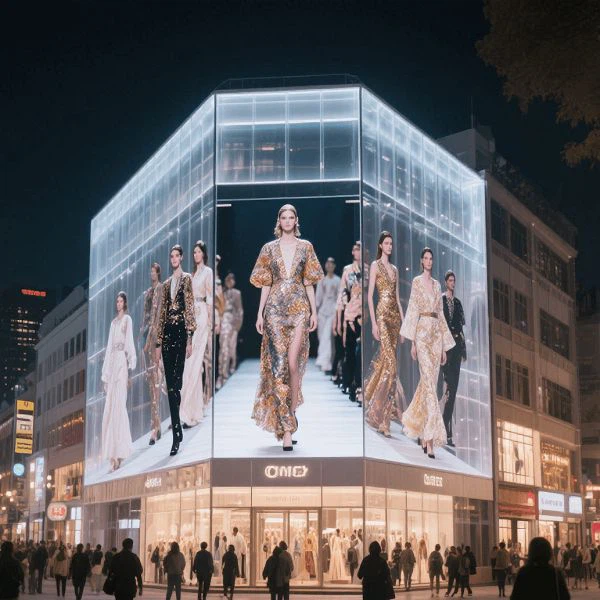
Why does 90% of the world's high-end LED display technology originate in China, specifically Shenzhen? The answer lies in the highly localized, vertically integrated supply chain ecosystem. In Shenzhen, raw substrate processing, semiconductor die bonding, driver IC encapsulation, structural aluminum metallurgy, and calibration software systems are co-located within a 2-hour driving radius.
Immediate procurement access to Tier-1 semiconductor diodes (Nationstar, Kinglight) and driver ICs (MBI, ICN) minimizes component shipping delays and ensures highly competitive structural pricing.
With automated high-speed SMT assembly, we maintain an industry-defying 1 to 10 workday lead time for standardized orders, drastically accelerating client project deployment timelines.
Our engineers can easily transition between front-service magnetic modular layouts and complex architectural curve parameters to meet custom build specifications.
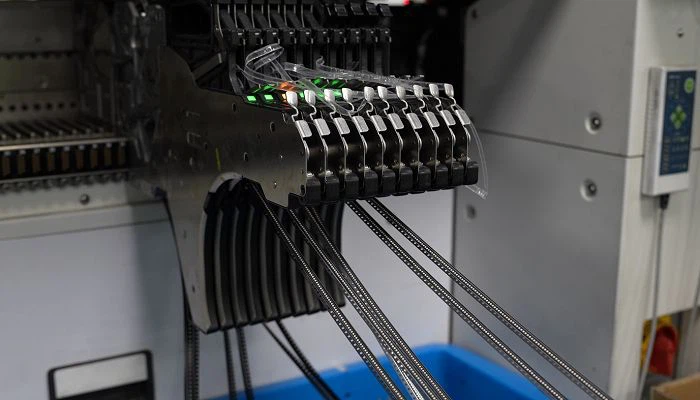
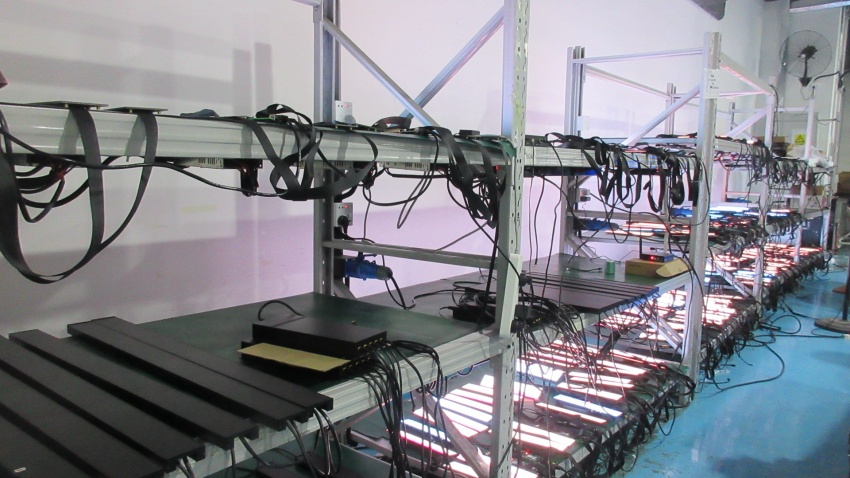
Sync LED relies on clean-room automated SMT technology. Standardized automation reduces human intervention, ensuring optimal soldering reliability, eliminating pixel drop-outs, and improving thermal management performance.
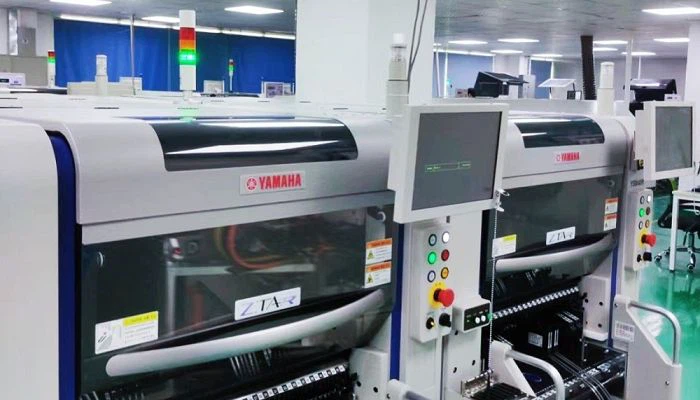
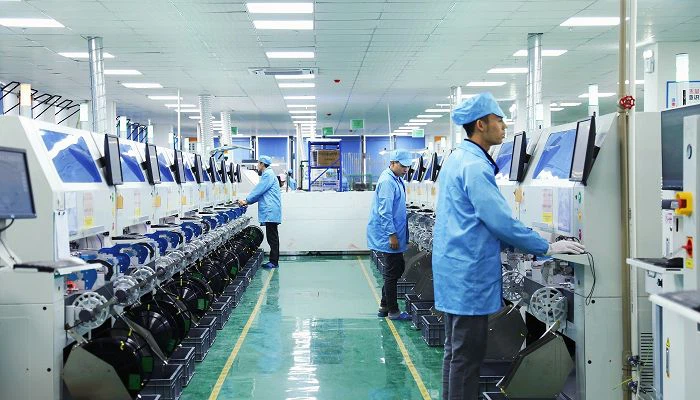
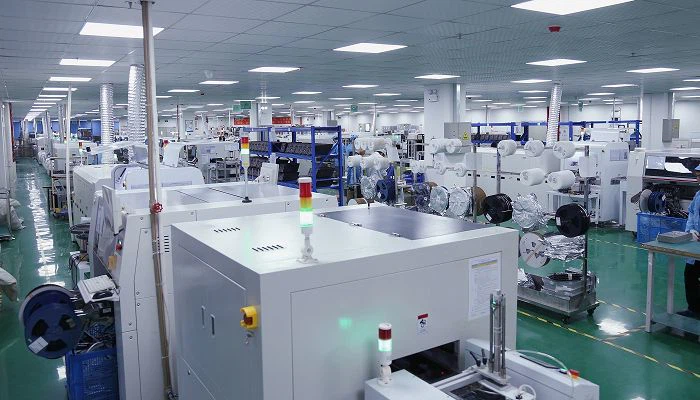
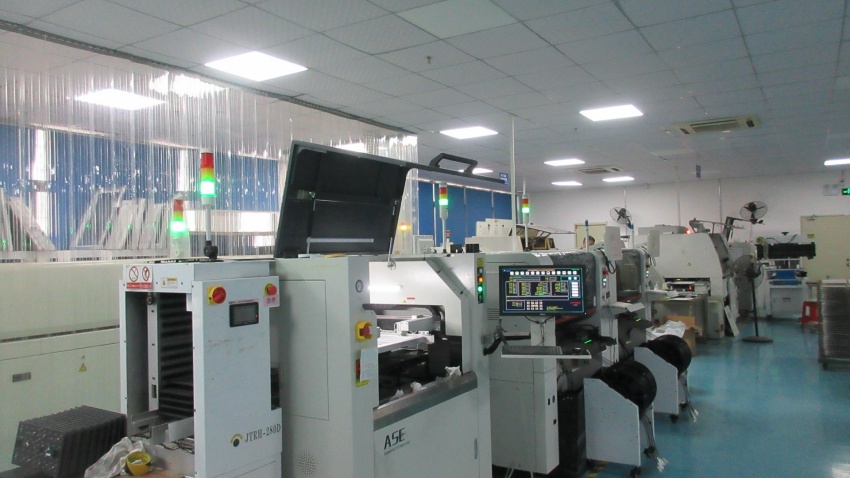
During maritime transit, humidity and salinity pose risks to unprotected optoelectronics. Our facility uses custom industrial-grade Vacuum Packing Machines to isolate every LED module. This safeguards critical electronic traces from oxidation and corrosion, ensuring that display systems arrive at customer sites ready for plug-and-play installation.
At Sync LED, quality is not tested after manufacturing; it is built into our process from initial layout design. We execute a rigorous multi-tier testing procedure across every custom build to guarantee a 100% ex-factory qualification rate:
Entering strict international markets requires compliance with local regulatory frameworks. Sync LED maintains certificates of conformity including CE, FCC, and RoHS. Our manufacturing processes limit hazardous substances, manage electromagnetic interference (EMI), and conform to standard safety directives. This compliance minimizes regulatory friction during customs clearances and facilitates seamless installations on commercial jobsites globally.
By partnering with us, installers and distributors receive safety documentation, electromagnetic testing profiles, and mechanical structural drawings, simplifying the local building permit and validation processes.
Procuring LED display screens from overseas factories involves several key variables. Beyond initial unit costs, dynamic performance and structural life cycles dictate the actual cost of ownership. Enterprise procurement departments should evaluate the following technical and operational criteria:
Choosing the optimal pixel pitch is critical. Selecting fine pitches (e.g., P0.9 to P1.5) for close indoor viewing avoids pixelation, while outdoor displays (e.g., P4 to P10) balance long-distance clarity with budget constraints.
Using Common Cathode driver circuits can reduce energy consumption by up to 30%. This lowers operating temperatures, extends component life, and reduces air conditioning load in indoor applications.
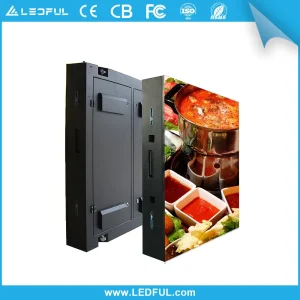
Identify wall structure limitations early. If rear-access space is restricted, front-service magnetic modules are recommended, as they can be swapped from the front in under 30 seconds.
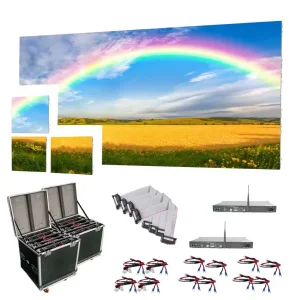
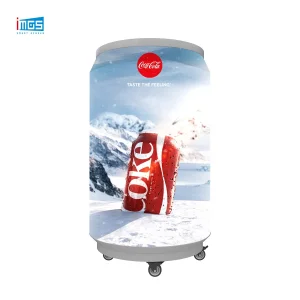
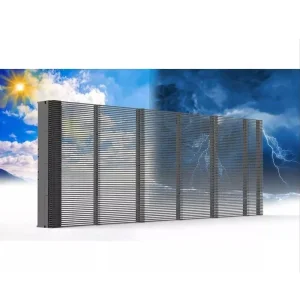
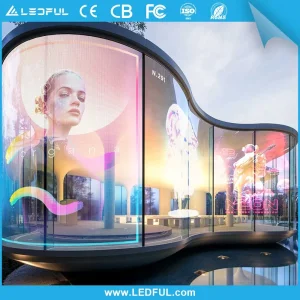
Our comprehensive production portfolio supports applications ranging from custom transparent window facades to flexible, curved cylinder structures.
Below are technical answers to common questions raised by engineers, procurement specialists, and installers when specifying custom LED screens.
 Sync LED