Pioneering standard-compliant, high-refresh-rate curved, flexible, and interactive LED displays engineered for structural versatility.
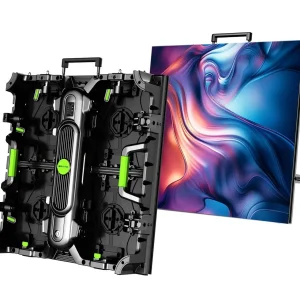
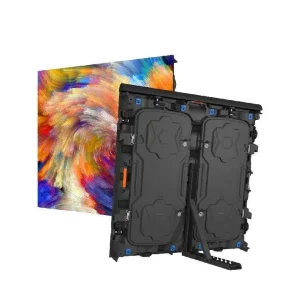
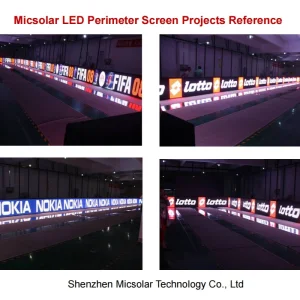
An evaluation of visual ergonomics, installation integration, and the commercial impact of curved LED screens in modern display architectures.
Curved screen displays have evolved from high-end display experiments into standard structural elements for high-traffic environments. Unlike conventional flat flat panels, curved video walls match the natural dynamic field of view of the human eye. This decreases visual distortion at the edges of a screen, reduces glare, and provides a highly immersive experience. From command centers to corporate lobbies, experiential retail spaces, and airport terminals, curved screen technology has redefined spatial design.
The global market is expanding rapidly, driven by the emergence of seamless, flexible LED substrates that replace mechanical multi-angle cabinet arrays. Traditional curved designs required segmenting flat cabinets at slight angles, which created visible seams, layout restrictions, and compromised structural integrity. Modern architectures utilize elastomeric flexible PCBs and advanced GOB (Glue on Board) encapsulation technologies, enabling continuous, smooth curves without breaking the visual path.
Curved screens align the display surface with the viewer's natural arc of vision, reducing optical fatigue and maintaining uniform contrast from edge to edge.
Enables creative integrations such as pillar wraps, concave tunnels, and convex corners, transforming functional structures into dynamic digital media assets.
Studies indicate that curved displays, particularly with anamorphic or naked-eye 3D content, generate up to 40% higher dwell times compared to standard flat advertising monitors.
Evaluating encapsulation methods, flexibility metrics, and pixel calibration developments in curved LED display manufacturing.
Building curved LED screens requires high material durability. Standard PCBs fail under tension or compression, causing solder points on SMD components to lift. Manufacturers have developed custom engineering frameworks to overcome these structural challenges.
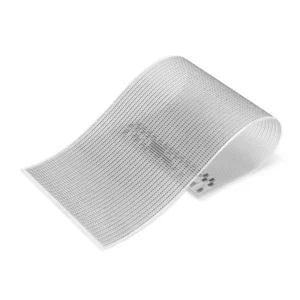
Modern curved displays utilize specialized flexible PCBs containing polyimide (PI) substrates. These allow the modules to bend repeatedly without tearing the copper traces. These modules are supported by silicone rubber or carbon-reinforced frames that bend without sacrificing horizontal planarity.
To protect pixels from damage during assembly, manufacturers use GOB (Glue-on-Board) or COB (Chip-on-Board) encapsulation. In GOB, a transparent epoxy layer is applied to the module surface, sealing the SMDs against moisture, dust, and physical impact. COB goes further by mounting the LED chips directly to the PCB and encapsulating them, eliminating wire bonds and improving heat dissipation and mechanical flexibility.
| Encapsulation Class | Protection Rating | Minimum Pixel Pitch | Bending Performance | Primary Industrial Use Case |
|---|---|---|---|---|
| Standard SMD (Surface Mount Device) | IP30 - IP65 | ≥ 1.9mm | Limited (Requires faceted cabinet configurations) | General outdoor billboards & staging rentals |
| GOB (Glue-on-Board) | IP65 (Front) | ≥ 1.2mm | Moderate to High (Highly resistant to mechanical stress) | Experiential retail, public terminals, transport hubs |
| COB (Chip-on-Board) | IP65+ | ≤ 0.9mm | Excellent (Zero LED package detachment risk) | Control rooms, command centers, virtual studios |
Matching visual output across curved screens requires precise driver IC control. When a display bends, the perceived pixel density changes. Leading manufacturers use high-gray-scale driver ICs (e.g., 16-bit to 22-bit) with integrated PWM (Pulse Width Modulation) and automated calibration algorithms. This ensures uniform brightness and color accuracy across the curve, eliminating dark bands and hot spots.
Deep dive into a pioneer of highly customized, high-reliability LED display solutions with robust international compliance.
Founded in 2003, Shenzhen Sync LED Co., Ltd. has been a pioneer in the LED display industry for over two decades. From our humble beginnings in Xiamen, China, we have grown into one of the most reputable suppliers of LED display solutions globally. Our commitment to cutting-edge technology, exceptional quality, and customer-centric innovation has earned us a trusted position in the market.
Sync LED is dedicated to providing tailored solutions with industry-leading performance. We offer 100% customization for all types of LED displays, adapting everything from brightness levels to lamp beads, and even the shape and structure of each display. Whether you're looking to create a striking outdoor screen or an indoor video wall, we’ll work with you to design the perfect solution.
Our comprehensive services, superior products, and competitive pricing have built long-lasting relationships with our customers, ensuring their trust and satisfaction.
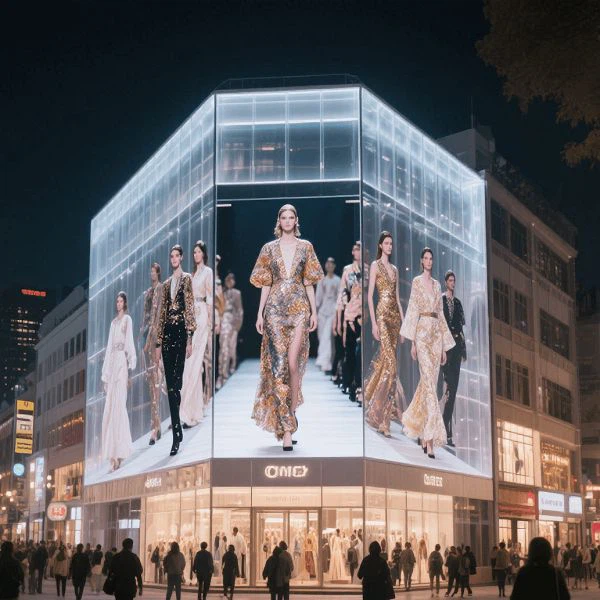
From raw material sourcing to final dispatch, our multi-stage inspection framework ensures every curved display meets high reliability standards. Our testing protocols include:
AOI (Automated Optical Inspection) scans SMD layouts, while Spectroradiometer Calibration verifies chromatic uniformity across curved surfaces.
Thermal Cycling (-30°C to 60°C) validates solder integrity, combined with Gamma Correction and a mandatory 72-Hour Aging Test under continuous load.
Specialized cabinet designs and structural integrations are custom-modeled to fit architectural requirements, maintaining tight seam tolerances.
Evaluating the advantages of centralized raw material networks, high-speed SMT assembly, and strict manufacturing standards.
Shenzhen's LED display ecosystem offers significant advantages in lead times, manufacturing scale, and cost-efficiency. By integrating upstream wafer slicing, midstream LED packaging, and downstream application design in one hub, logistics delays are minimized. This allows Shenzhen Sync LED to procure, assemble, test, and ship custom displays in timelines that regional facilities cannot match.
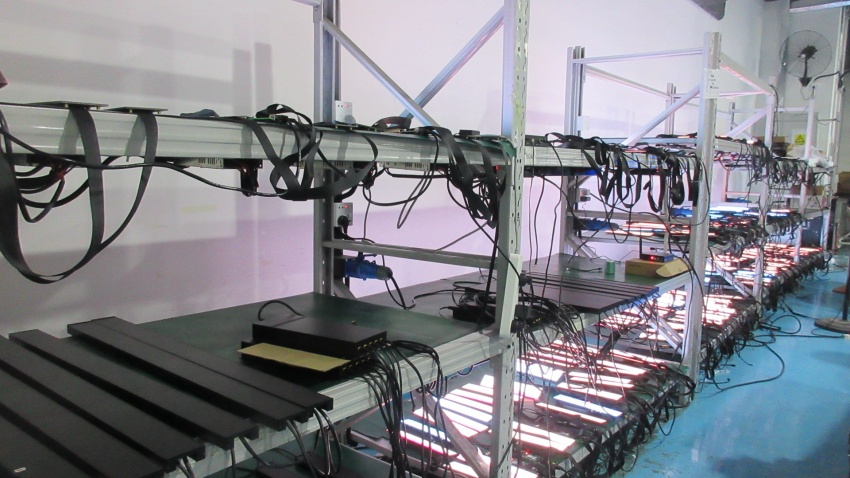
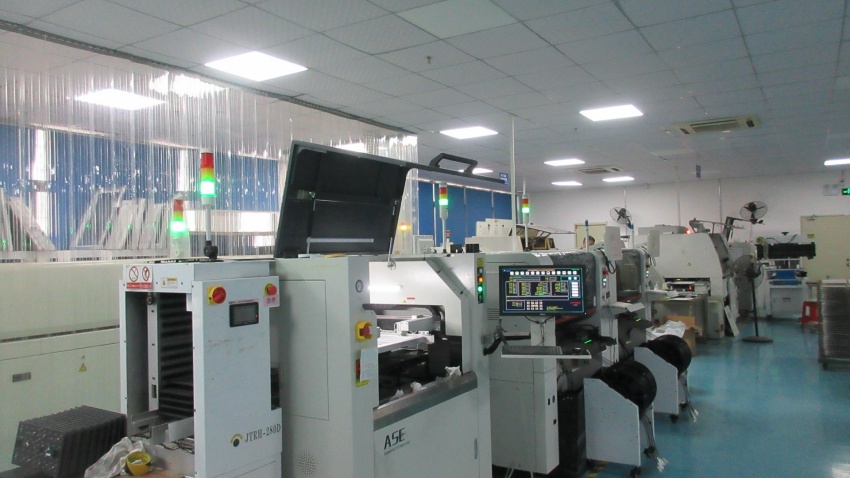
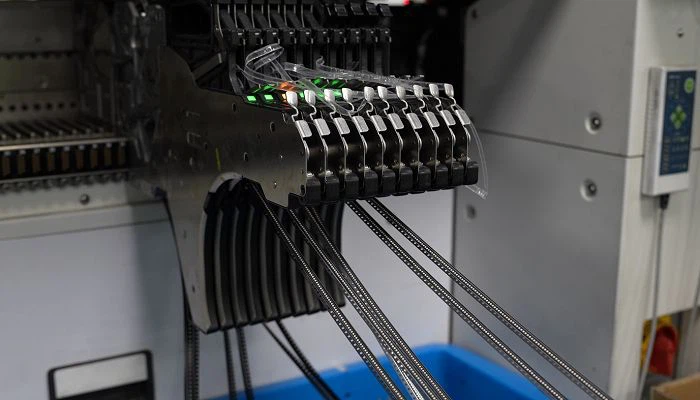
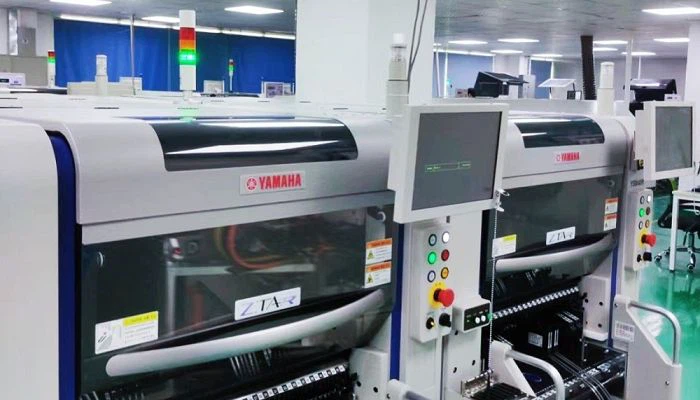
Our production floor features high-speed SMT placement machinery and automatic solder paste printing systems. Operating with a 12-zone reflow soldering configuration, thermal profiles are precisely controlled to prevent cold joints or board warping. This optimization is crucial for flexible displays, where solder joints must withstand mechanical stress. After assembly, all modules undergo vacuum packaging to prevent moisture ingress during shipping, ensuring reliable out-of-box performance.
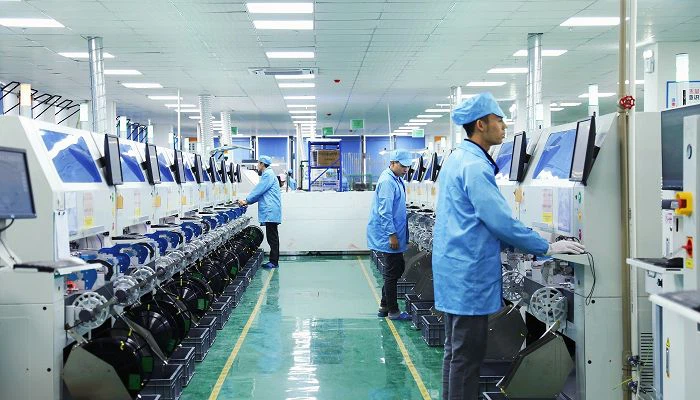
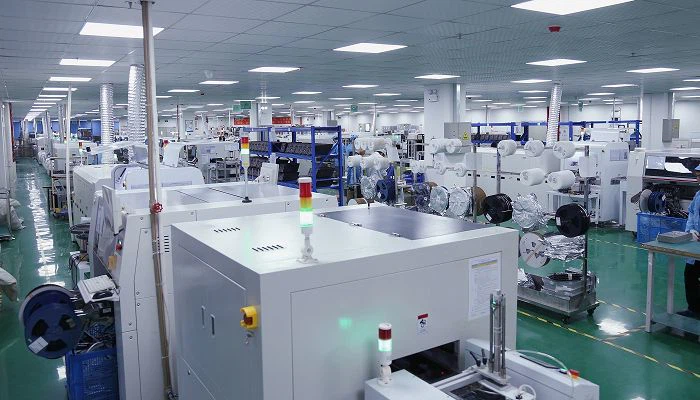
How curved and flexible LED display systems are integrated across different commercial, safety, and public space environments.
Curved digital displays are wrapped around structural pillars or mounted as double-sided, concave flight information boards. This design provides wide viewing angles for passengers in motion, preventing the glare and blind spots common with flat panels.
High-end corporate lobbies utilize custom curved video walls to create immersive branding environments. In TV production and virtual filming, curved backgrounds provide realistic perspective shifts, reducing post-production rendering times.
In power grids, traffic networks, and emergency centers, a curved layout ensures all parts of the data screen are equidistant from the operators, improving response times and reducing eye strain.
How Shenzhen Sync LED ensures compliance with global certification requirements and provides reliable localized technical support.
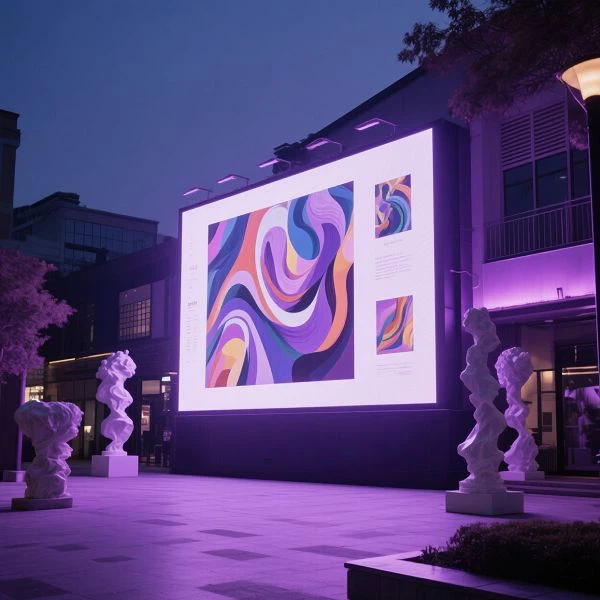
Deploying digital display equipment in North America, Europe, and Asia-Pacific requires strict adherence to international electrical safety and emissions standards. Without proper certifications, equipment can face import delays, local authority shutdowns, or insurance voiding.
Shenzhen Sync LED products are certified with RoHS, FCC, and CE. These certifications guarantee low electromagnetic interference, high energy efficiency, and lead-free construction. This compliance simplifies project approval for architects, engineers, and integration firms.
Beyond compliance, our support team offers comprehensive project assistance. We provide engineering support from the design phase, helping determine the correct radius and structural integration. If issues cannot be resolved remotely, certified technicians are dispatched for on-site calibration, training, and hardware maintenance to keep your display systems running smoothly.
Evaluating the top 10 curved LED screen manufacturers based on product customization, supply chain strength, and technical reliability.
Known for 100% custom-designed curved displays, quick turnaround times (1-10 workdays), and strict multi-phase quality control. They specialize in flexible substrates, GOB fine-pitch displays, and robust structural integration for global commercial and industrial applications.
A major provider of fine-pitch LED displays. Leyard is known for high-end COB display panels and large-scale control room installations, offering excellent color depth and advanced control room system integration.
Focuses on high-performance rental solutions and digital signage. Unilumin produces modular flexible panels with reliable locking mechanisms, suitable for virtual production and dynamic live broadcast events.
Offers outdoor advertising panels and commercial displays. Absen's curved solutions emphasize high brightness and weather resistance, serving transit terminals and large retail environments.
A global visual technology company specializing in high-reliability projectors and image processors. Barco's LED displays deliver clean image processing, making them a preferred choice for critical control centers and corporate hubs.
A US-based manufacturer focused on stadium scoreboards and large sports screens. Their curved designs are built for long-term outdoor performance, high contrast, and structural stability in large venues.
Specializes in high-resolution LED screens and indoor displays. Liantronics provides standard curved systems for retail applications, focusing on thermal management and easy front-service access.
Focuses on high-end creative installations, offering flexible panels for stage design and architectural wraps. InfiLED's systems support quick setup, teardown, and configuration changes.
An industry leader in LED displays for virtual production, XR stages, and film studios. Roe Visual provides displays with high refresh rates, low latency, and accurate color rendition under studio lighting.
Focuses on commercial banking systems, broadcasting studios, and transportation hubs. AOTO provides high-contrast, fine-pitch displays integrated with proprietary control software.
Answering technical, structural, and procurement questions about high-performance curved LED screen systems.
GOB (Glue-on-Board) applies a protective transparent epoxy coating over standard SMD packages to shield them from physical impacts, moisture, and dust. COB (Chip-on-Board) mounts the raw semiconductor LED chips directly to the PCB substrate without wire bonding. COB offers higher pixel density, better thermal performance, and greater structural flexibility, making it ideal for fine-pitch displays under 1.2mm.
The bend radius determines the optimal viewing distance and screen configuration. A tighter radius (such as R1000 or R1200) is suitable for close-range viewing in control rooms or simulators, aligning the screen with the viewer's peripheral vision. A wider radius is better for lobbies, storefronts, and stadiums, maintaining wide viewing angles for audience groups farther from the display.
Shenzhen houses a complete supply chain that co-locates semiconductor fabrication, PCB manufacturing, SMT assembly, and final testing. This concentration simplifies logistics, reduces production times, and allows manufacturers like Shenzhen Sync LED to quickly deliver custom orders (often within 1-10 workdays) while maintaining quality control.
Yes, modern curved displays are designed for front-service access. Magnetically secured modules can be removed from the front using specialized tools, allowing technicians to replace components without dismantling the mounting frame or accessing the back of the installation.
Importing regions require safety and emission certifications. In the US, FCC compliance is necessary to control electromagnetic interference, while the European Union requires CE marking and RoHS compliance to ensure safety and hazardous material restrictions. Shenzhen Sync LED certifies its products under CE, FCC, and RoHS standards to facilitate customs clearance and compliance.
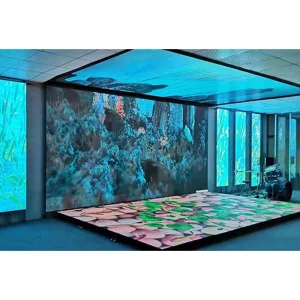
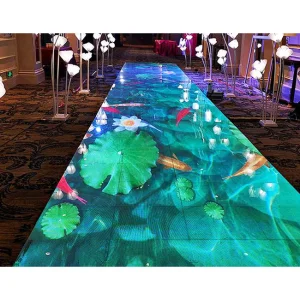
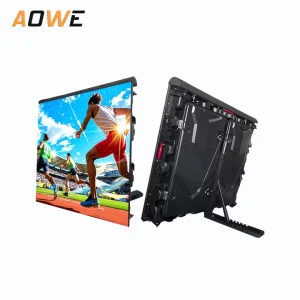
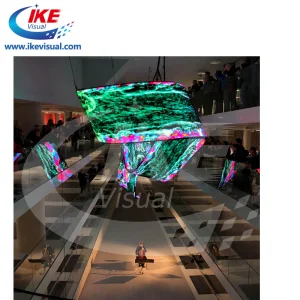
Explore our technical catalog of specialized transparent, interactive, and heavy-duty stadium display products.
 Sync LED