Deploying cutting-edge common-cathode engineering to achieve up to 40% operational energy savings compared to traditional designs.
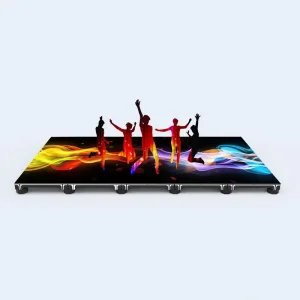
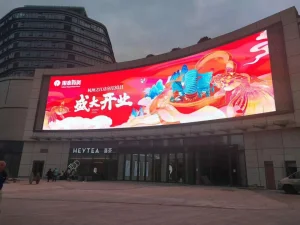
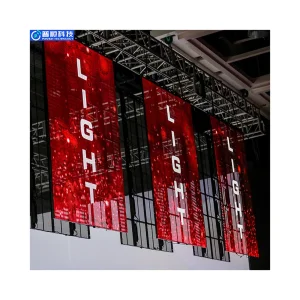
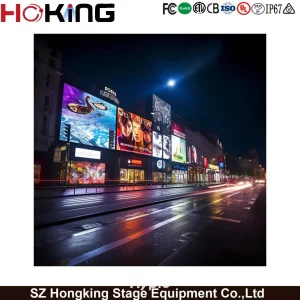
In today's commercial AV landscape, reducing Scope 2 emissions is no longer an option—it is a regulatory and economic requirement. As cities restrict maximum power footprints per square meter for digital signage, standard LED systems are hitting legal and operational limits. Traditional architectures emit excess thermal output, demanding auxiliary HVAC systems that further inflate OPEX.
Shenzhen Sync LED Co., Ltd. resolves these bottlenecks at the design level. By integrating low-voltage power supply topologies directly into the silicon of our custom driver modules, we produce display boards that operate coolly, last longer, and pass strict municipal emission limits worldwide.
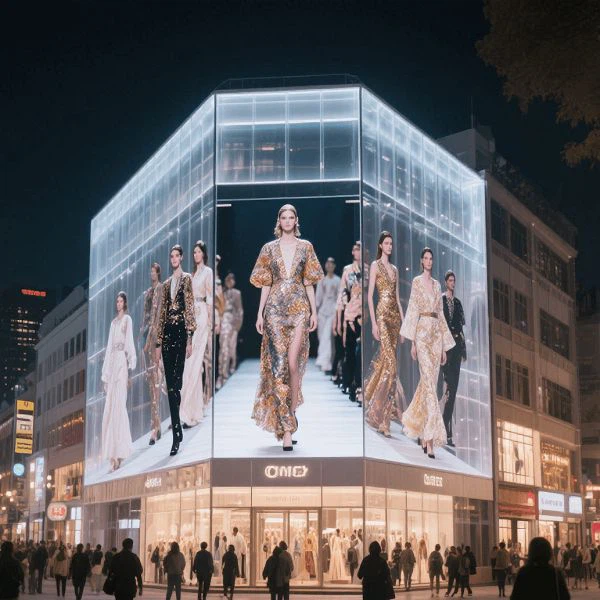
How Sync LED drives technological innovations in power configuration, thermal efficiency, and lumen-per-watt performance.
Unlike traditional common anode circuits where red, green, and blue LEDs are fed the same high voltage, common cathode systems supply separate voltage rails to red (2.8V) and green/blue (3.8V). This eliminates the voltage drop that generates excess heat, resulting in a direct 30-40% reduction in power consumption and lower thermal degradation.
Transitioning from traditional SMD (Surface Mounted Diode) to COB and GOB (Glue-on-Board) structures using Flip-Chip technology. Bypassing wire bonds allows for larger light-emitting areas, lower thermal resistance, and higher luminous efficacy (lm/W), optimizing brightness while reducing the input power threshold.
Implementing next-gen Pulse Width Modulation (PWM) chips that feature automatic power-saving sleep modes. When a display presents black or dark areas, the driver IC reduces active power to a near-zero state. The display board reacts dynamically to content, saving megawatt-hours over multi-year installations.
Embedding active external light sensors linked to high-resolution controller cards. The display auto-calibrates to ambient environment conditions (daylight vs dusk) on a logarithmic curve, guaranteeing the screen runs only at the precise brightness required, saving energy and preserving diode health.
Bespoke system designs built for critical sectors demanding energy compliance and operational durability.
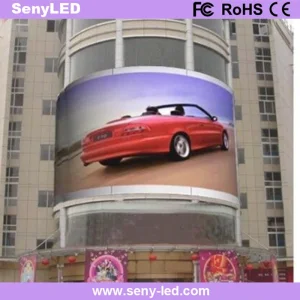
Outdoor 3D and billboard networks running 24/7. Built with IP65-IP68 ingress protection and front-service panels, utilizing high-efficiency common cathode modules to minimize long-term grid consumption.
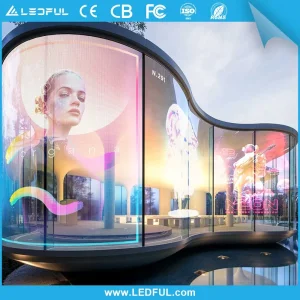
Ultra-lightweight adhesive and transparent LED systems applied directly to glass facades. Designed to maximize building natural light passing through, minimizing artificial cooling requirements.
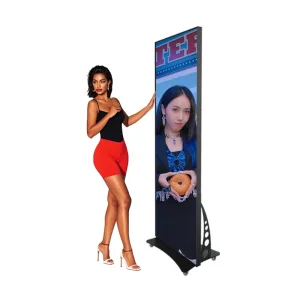
Fine-pitch high-definition systems optimized for indoor workspaces. Lower operating temperatures eliminate fan noise entirely, creating quiet and thermally comfortable workspaces.
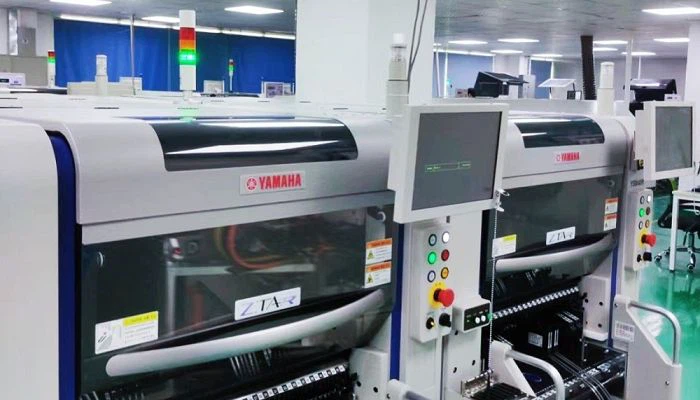
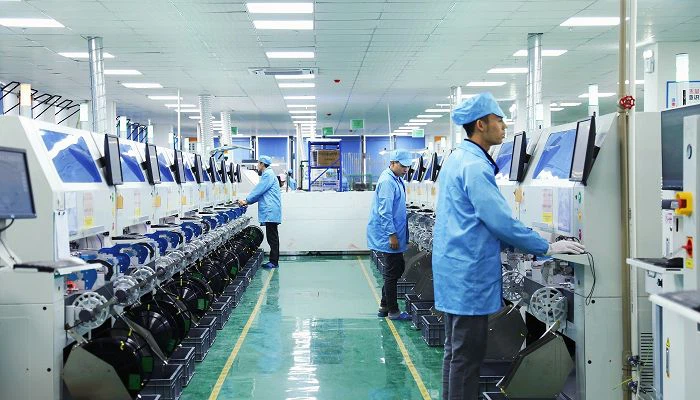
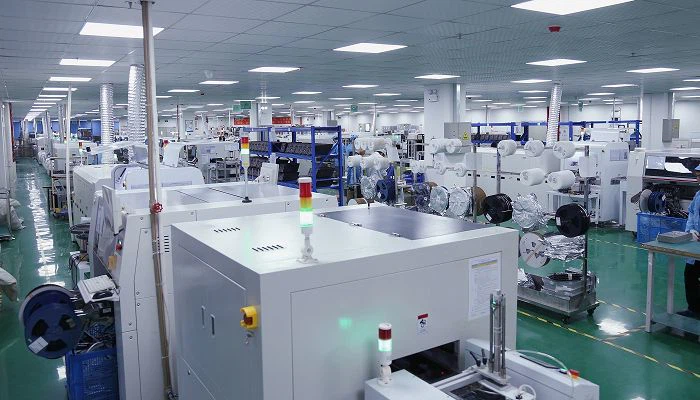
Based in the global display hardware capital of Shenzhen, Shenzhen Sync LED Co., Ltd. operates a highly automated fabrication facility. Our smart production floors maximize economies of scale, directly translating to superior lead times and robust build qualities for our global clients.
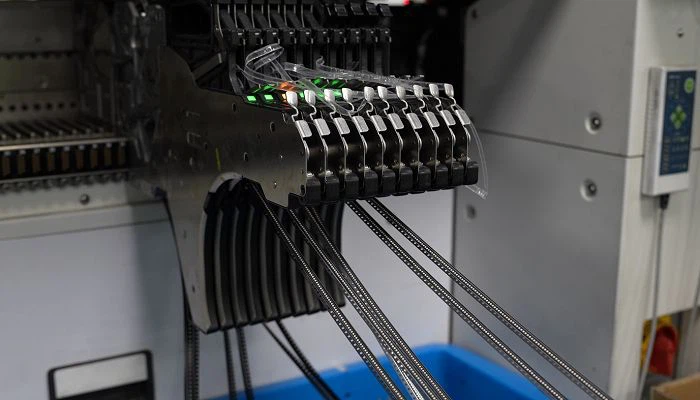
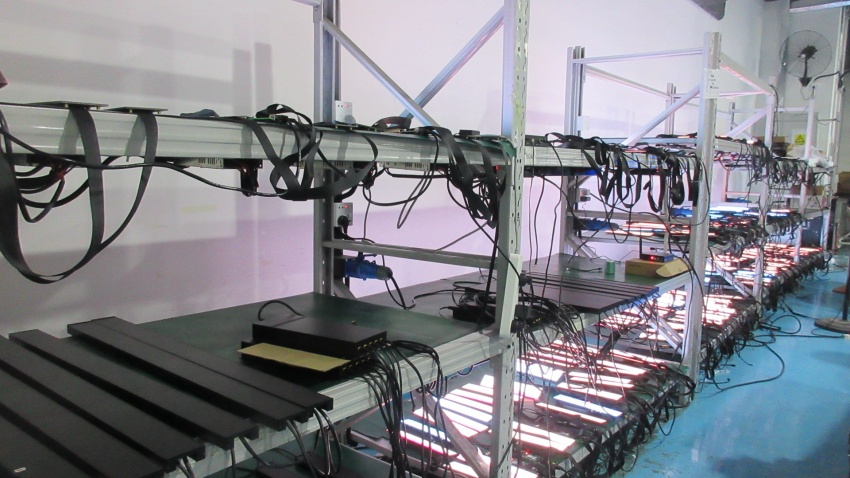
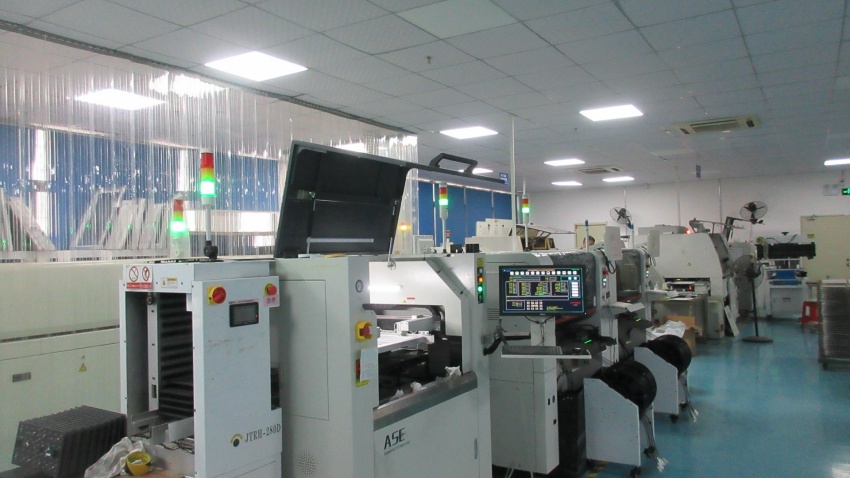
Strict testing protocols ensure our displays operate reliably in the most demanding conditions.
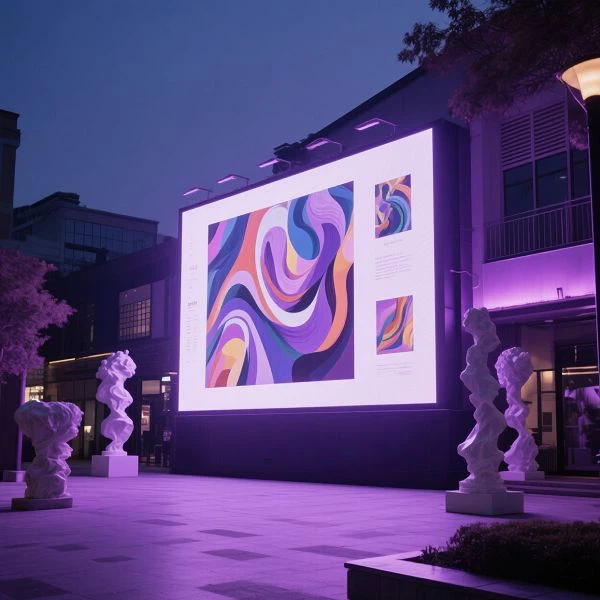
Our products undergo multi-stage quality control checks at every phase of the manufacturing process to ensure consistent performance.
| Validation Phase | Testing Equipment / Process | Core Control Metric |
|---|---|---|
| Optoelectronic Audit | AOI (Automated Optical Inspection) | Identifies placement faults and solder joint anomalies. |
| Extreme Thermal Stress | Thermal Cycling (-30°C to 60°C) | Evaluates module stability under rapid environmental shifts. |
| Chrominance Accuracy | Spectroradiometer Calibration | Standardizes color output and prevents color variations. |
| Luminance Flatness | Gamma Correction & Uniformity Inspection | Achieves uniform light distribution across panels. |
| Early Failure Screening | 72-Hour Aging Test Run | Identifies early component issues prior to packing. |
A guide for technical buyers and procurement officers evaluating energy-saving LED platforms.
Prioritize long-term energy savings over initial display purchase price. High-efficiency displays often offset their premium purchase price within the first 18-24 months of operation.
Specify dust and waterproofing standards. Outdoor screens require at least IP65 protection, front and rear, to withstand long-term exposure to wind, rain, and moisture.
Confirm compliance certifications like CE, RoHS, and FCC. Sync LED displays undergo rigorous safety testing to ensure simple and straightforward customs processing globally.
Exporting commercial electronics requires deep technical compliance and robust local support networks. Shenzhen Sync LED Co., Ltd. matches our manufacturing capabilities with professional, customer-focused engineering services.
Common questions regarding energy-efficient display technologies answered by our engineering team.
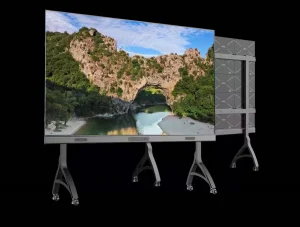
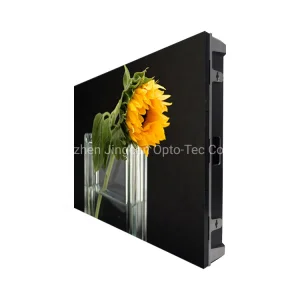
High-definition modules, flexible systems, and high-brightness displays designed for specialized projects.
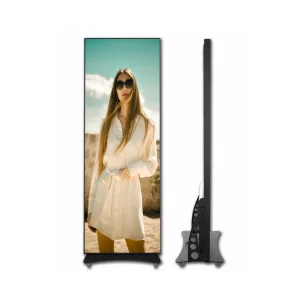
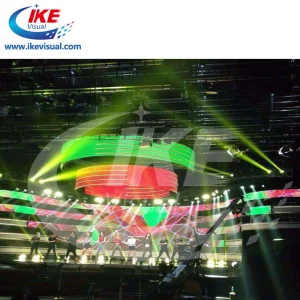
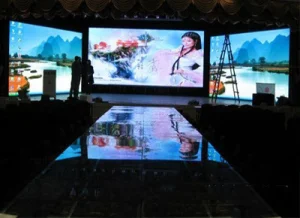
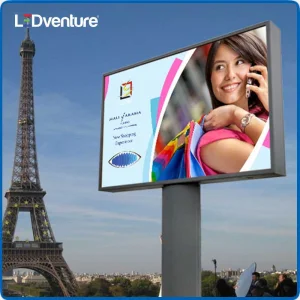
An inside look at our manufacturing facility, testing bays, and precision machinery in Shenzhen.
 Sync LED