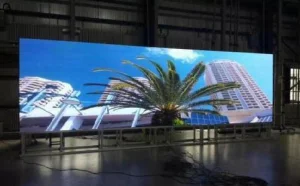
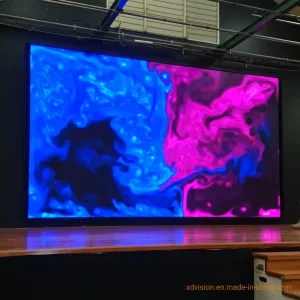
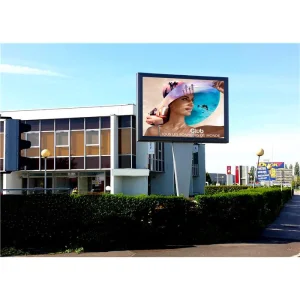
CE Certified RGB LED Display Factory & Exporters

Decentralized Smart Manufacture & Custom Visual Engineering Solutions for Global Enterprise Markets — Pioneering Quality, Durability, and Ultimate Optical Realism.

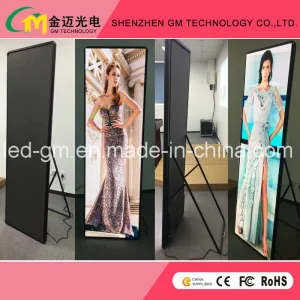
  • RGB LED Display Manufacturer
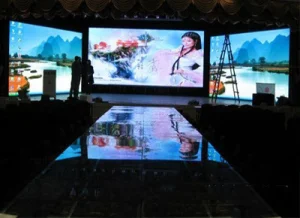
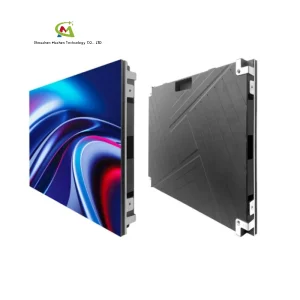
  • CE Certified Video Wall
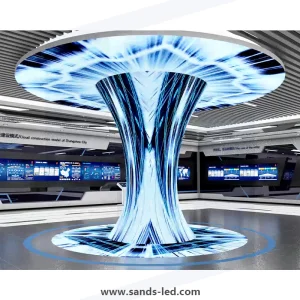
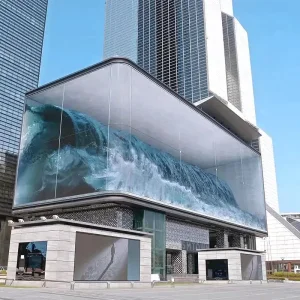
  • Naked-Eye 3D LED Display
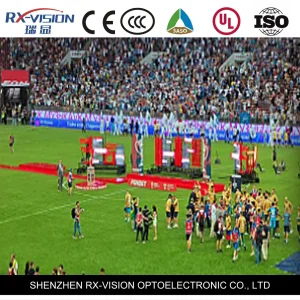
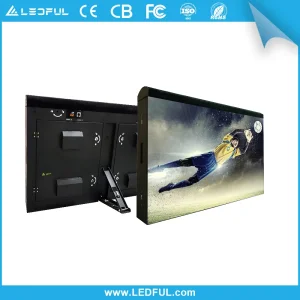
  • High Refresh Rate Stadium Perimeter
  • Shenzhen SMT LED Factory
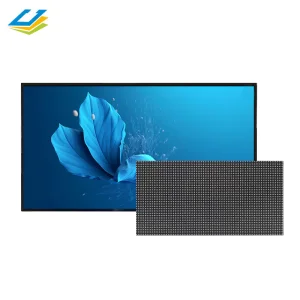
  • COB & GOB Visual Technology
Shenzhen Sync LED Co. Corporate Office and Showroom

Decades of Optical Innovation & Customization Mastery

Founded in 2003, Shenzhen Sync LED Co., Ltd. has established itself as an authoritative vanguard in the international optoelectronics industry for over two decades. Originating in Xiamen, China, our company systematically relocated and expanded its production footprint directly into Shenzhen—the undisputed epicenter of global display technology—to access premium semiconductor supply networks and elite mechanical engineering talent.

Today, Sync LED serves critical applications across North America, Europe, the Middle East, and Asia. Our core value rests on providing 100% custom-tailored LED configurations. Rather than forcing clients into rigid off-the-shelf standard products, we execute granular adjustments spanning pixel-level encapsulation architecture, mechanical chassis geometry, specialized driver IC curves, and high-transmittance optical coatings to fit specific ambient dynamics.

Through our technical advisory divisions, we handle projects from the conceptual stage up to finalized structural integration, establishing a reputation for absolute reliability and high-fidelity video reproduction.

China Factory 4.0: SMT Automation & Supply Chain Resilience

How Sync LED utilizes advanced SMT robotic systems to scale production while ensuring rapid delivery schedules.
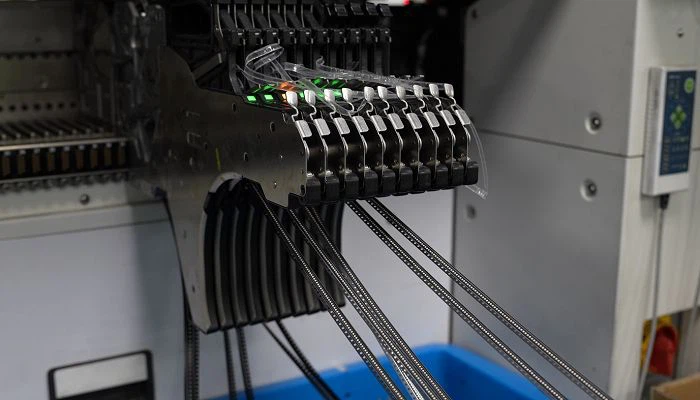
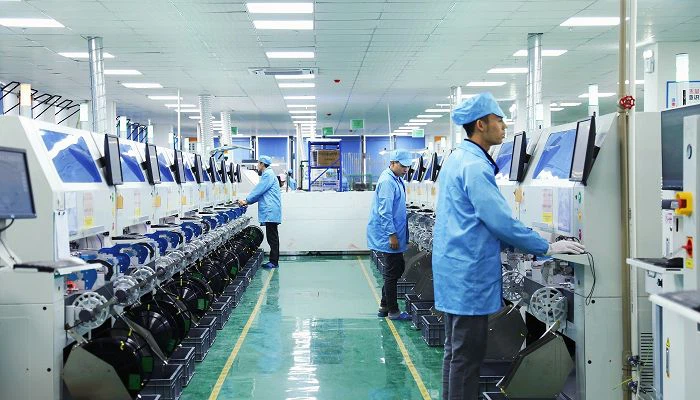
Automated SMT Line - Pick and Place Technology

Automated Manufacturing & Rapid Lead Times

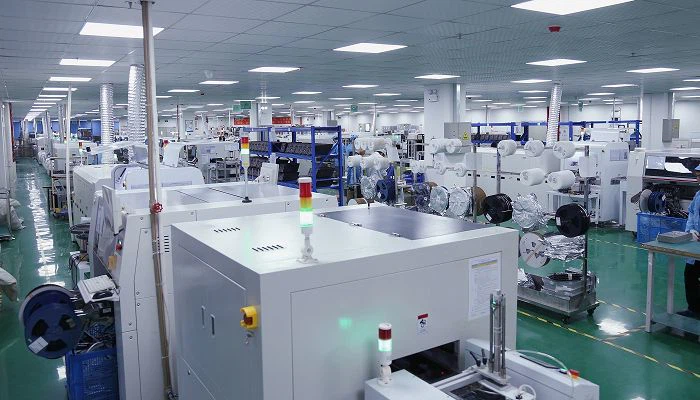
Operating a sprawling modern manufacturing hub in Bao'an District, Shenzhen, Sync LED operates multiple parallel automated lines designed to eliminate human positioning error. Our facility yields a massive 30,000 m² monthly production capacity, ensuring that large-scale stadium overhauls and global DOOH network deployments are completed on time.

With highly optimized raw material pipelines and direct partnerships with tier-1 semiconductor foundries, we boast a standard lead time of only 1 to 10 working days for high-demand configurations. Our fully in-house engineering and fabrication processes mean that structural custom fabrication, cabinet milling, and controller configuration are conducted without third-party delay, shielding our clients from supply chain disruptions.
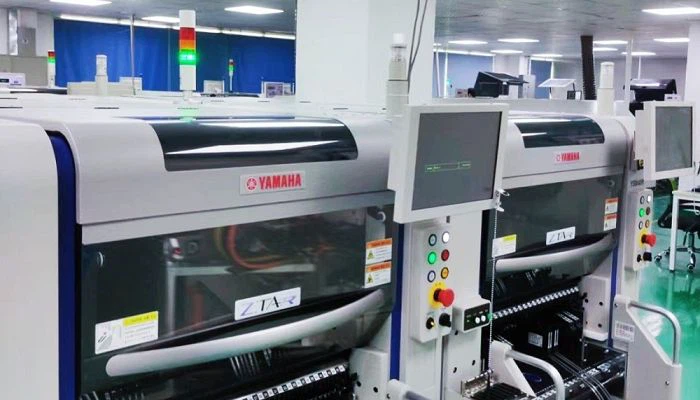
Integrated Production Technology Specifications

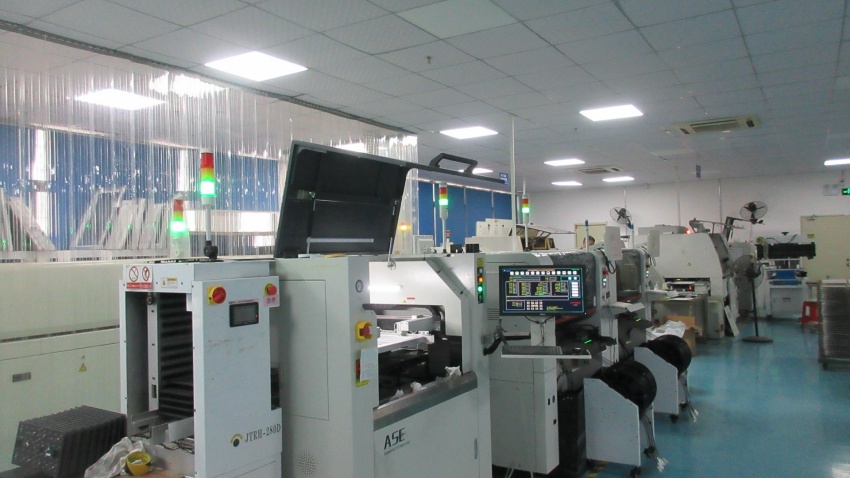
A look at the specialized hardware platforms that maintain our 99.6% first-pass SMT yield:
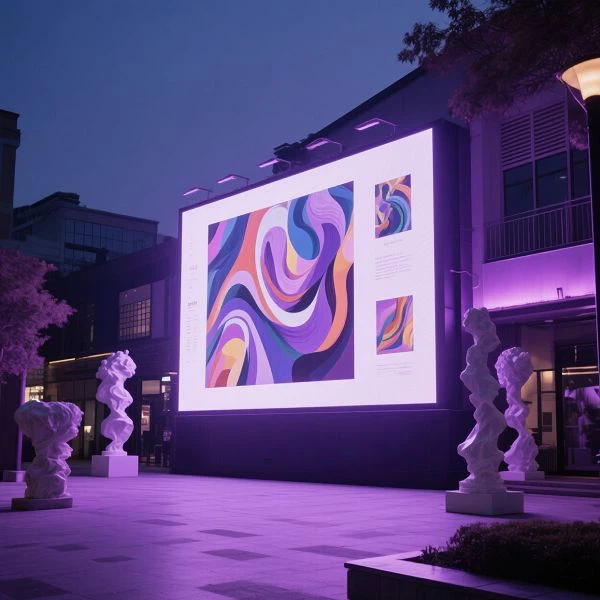
  • High-Speed Placement Machines: Multi-head automated chips shooters capable of placing micro-SMD components with +/- 0.01mm tolerance.
  • 12-Zone Lead-Free Reflow Soldering: Features isolated temperature zoning for progressive curing, preventing internal micro-cracking and dry joints.
  • Automated Optical Inspection (AOI): Real-time laser scanning compares component placement, alignment, and fillet volumes against original CAD geometry.
  • Vacuum Packaging & Nitrogen Enclosure: Prevents oxidation of exposed LED pins during transit.
30,000m²
Monthly Output
1-10 Days
Fast Lead Time
99.6%
SMT Pass Rate
20+ Years
Industry Experience
Sync LED Regulatory Certifications - RoHS CE FCC

Global Regulatory Compliance & Multi-Phase Testing

For high-value corporate and municipal projects, product certifications represent legal safety and risk mitigation. Sync LED products undergo rigorous third-party auditing to achieve full CE (LVD & EMC), FCC Class A/B, and RoHS compliance. These certificates guarantee that electromagnetic emission profiles are within safe limits and that materials comply with global hazardous substance regulations.

Our quality control sequence operates at every stage of production:
  • Incoming Material Inspection (IQC): Chip bins, gold-wire bonding, and drive ICs are inspected for uniform electrical properties.
  • Thermal Dynamic Cycling: Module modules are placed in environmental chambers with temperatures fluctuating from -30°C to 60°C to test thermal expansion resistance.
  • Spectroradiometer Calibration: Ensures color accuracy and chromaticity consistency across all production runs.
  • Uniformity and Gamma Adjustments: Eliminates display brightness differences to prevent visual artifacts.
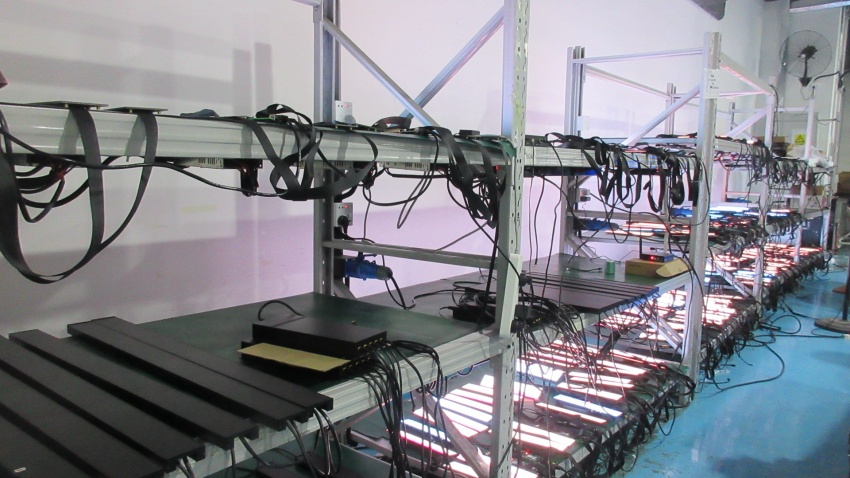
Continuous 72-Hour Aging Test Facility

The 72-Hour Stress Test & Vacuum Packaging

Before any product is packaged, the complete display assembly is placed in our aging bays for a minimum of 72 continuous hours. This stress test operates the system under full white balance cycles and high-temperature conditions to identify early pixel failures before delivery. Post-aging, assemblies are packed using advanced industrial vacuum packing machines, preventing moisture penetration during long sea voyages.

"By simulating extreme thermal cycles and maintaining a strict 72-hour burn-in phase, we achieve an ex-factory qualification rate of 100%."
Technological Roadmap: Next-Generation Visual Architectures

Exploring the future of LED engineering: COB, GOB, Common Cathode energy efficiency, and Naked-Eye 3D rendering.

COB & GOB Encapsulation

Traditional SMD displays have exposed solder points that are vulnerable to impact and moisture. Our Glue-On-Board (GOB) and Chip-On-Board (COB) technologies protect pixels under a crystal-clear protective layer, improving contrast ratios, providing water resistance, and preventing physical pixel damage.

Common Cathode Driving

Common Cathode layouts supply independent power lines to the red, green, and blue diodes. By distributing exact voltages to each diode, this architecture reduces heat generation by up to 35% and overall energy usage by 40%, extending the operational lifespan of the screen.

Naked-Eye 3D & Transparency

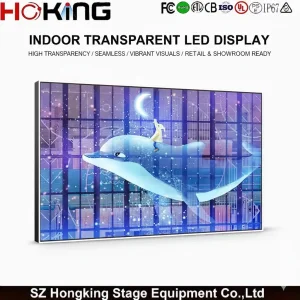
Using curved screen borders and high gray-scale refresh rates (up to 7680Hz), we create glasses-free 3D visual effects. In addition, our holographic transparent LED displays achieve up to 80% light transmittance, integrating digital media into architectural glass facades.

Macro Industry Solutions: Segmented Application Portfolios

Tailored visual hardware designed to address the specific performance requirements of key markets.

Sports & Stadium Systems

Our stadium perimeter displays are built with impact-resistant polyurethane top hoods and soft rubber face masks to protect athletes during high-impact sports. Featuring IP65/IP43 environmental sealing and dual-receiver power backups, these displays provide continuous visibility during matches and satisfy UEFA and FIFA broadcasting standards.

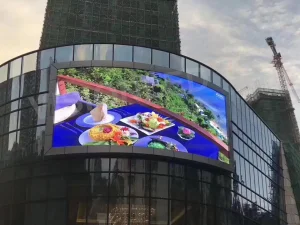
High-Impact DOOH Advertising

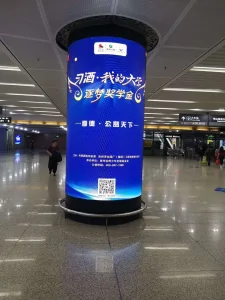
Engineered for high outdoor ambient light environments, our DOOH solutions deliver up to 8,500 nits of calibrated brightness. These displays feature built-in ambient light sensors that automatically adjust output levels, helping to comply with local light pollution regulations while optimizing energy usage.

Virtual Production & Broadcast Studios

For demanding TV studios and virtual production setups, we provide fine-pitch LED video walls (P1.2 - P1.8) using driver ICs with high refresh rates. This technology prevents camera scan lines (moiré effect) and delivers 16-bit grayscale depth for smooth, natural color rendering.

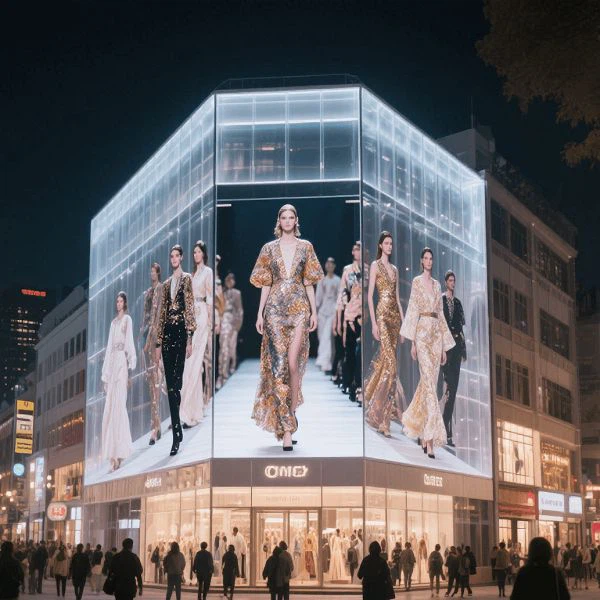
Architectural Glass Integration

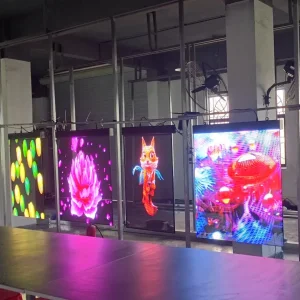
Holographic glass window films and lightweight transparent matrices convert building facades into active digital signage without blocking interior natural light. These systems are ideal for high-end retail flagships, auto dealerships, and modern commercial landmarks.

Global Enterprises Procurement Strategy: TCO Optimization

Procuring commercial-grade LED systems requires evaluating more than just upfront unit costs. Buyers must consider the Total Cost of Ownership (TCO) over a standard 7 to 10-year operating cycle. Key elements to analyze when selecting a production partner include:

  • Luminous Decay Rate: Low-cost screens often lose up to 30% of their maximum brightness within the first 12 months. Sync LED designs limit brightness loss to less than 5% annually, maintaining high visual impact over time.
  • Service Configuration: Choose between front-maintenance modules for flat wall installations (which save on rear access space) and rear-maintenance cabinets for freestanding structures.
  • Structural Weight Profiles: Lightweight die-cast aluminum cabinets reduce shipping costs and lower the structural load-bearing requirements of building structures.
  • After-Sales SLA Commitments: Our service team provides 24/7 technical support, offering quick remote troubleshooting and dispatching engineers for on-site assistance when required.

Procurement Checklist: Essential Criteria

  • CE LVD/EMC Directives: Must have third-party test reports, not self-declarations.
  • Gold Wire Bonding: Copper-bonding is cheaper but prone to faster corrosion.
  • Driver IC Selection: Standard PWM driver ICs prevent flickering in camera recordings.
  • Thermal Dissipation: Built-in heat dissipation channels eliminate the need for expensive external cooling systems.

Technical Q&A: Direct Engineering Insights

Answers to critical technical and regulatory questions for engineers and purchasing managers.

Why is the CE certificate critical for exporting RGB LED displays to Europe?
The CE mark certifies compliance with two main European directives: the Low Voltage Directive (LVD 2014/35/EU) and the Electromagnetic Compatibility Directive (EMC 2014/30/EU). Without proper testing, high-voltage displays can cause electromagnetic interference with local wireless networks, and non-compliant hardware may face impoundment at customs.
What are the practical differences between GOB and conventional SMD encapsulation?
Conventional SMD exposes the delicate soldered leads of individual diodes to the elements, making them vulnerable to mechanical impact, dust, and moisture. Glue-on-Board (GOB) applies a protective polymer coating over the entire module surface. This structure shields the diodes, improves impact resistance, and enhances the screen's black levels for better contrast.
How does a Common Cathode layout reduce operational temperatures?
In common anode systems, the red, green, and blue diodes receive a single, uniform voltage line (usually 5V). Because red diodes require less voltage (around 2.8V) than blue and green diodes (around 3.8V), the excess voltage is dissipated as heat. Common Cathode systems route separate, optimized voltage lines to each color, eliminating the voltage drop that generates heat.
What causes camera flicker on LED walls, and how do we prevent it?
Flickering occurs when a camera's shutter speed does not match the refresh rate of the LED display. Standard screens with lower refresh rates (like 1920Hz) often produce dark scan bands on video recordings. We use premium driver ICs that support refresh rates of 3840Hz or 7680Hz, ensuring clean video capture for live broadcasts and virtual production.
How does front-service maintenance differ from rear-service configurations?
Front-service modules are removed from the display face using vacuum suction or mechanical tools, allowing the screen to be mounted directly against a wall without requiring rear access paths. Rear-service screens are accessed via rear cabinet doors, which is the standard setup for billboards and stadium perimeter displays.
How does Sync LED ensure consistent color across separate production batches?
We source our LED chips from uniform bins to ensure matching wavelength and intensity tolerances. We then perform spectroradiometer calibration at the factory to align color outputs, ensuring that new display modules match the appearance of existing screens.
What IP rating is recommended for outdoor stadium perimeter displays?
Outdoor systems require at least an IP65 rating on the front face to protect against rain and dust, and an IP43 or IP54 rating on the rear to allow for heat dissipation through ventilation. If the screen is installed in open, high-moisture areas, we recommend a full IP67 waterproof design.
What factors determine the pixel pitch selection for an installation?
Pixel pitch selection is based on the viewing distance of the audience. The general rule is: Pixel Pitch (in mm) x 1 meter = Minimum viewing distance. For example, a P2.5 display is best viewed from at least 2.5 meters away, while a P10 stadium screen is optimized for viewing from 10 meters and beyond.